Therapeutic potential of systemic brain rejuvenation strategies for neurodegenerative disease
- PMID: 28815019
- PMCID: PMC5539850
- DOI: 10.12688/f1000research.11437.1
Therapeutic potential of systemic brain rejuvenation strategies for neurodegenerative disease
Abstract
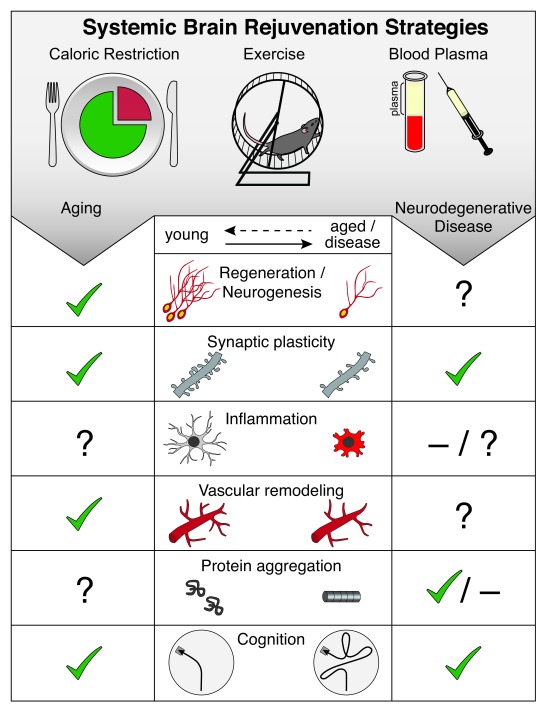
Neurodegenerative diseases are a devastating group of conditions that cause progressive loss of neuronal integrity, affecting cognitive and motor functioning in an ever-increasing number of older individuals. Attempts to slow neurodegenerative disease advancement have met with little success in the clinic; however, a new therapeutic approach may stem from classic interventions, such as caloric restriction, exercise, and parabiosis. For decades, researchers have reported that these systemic-level manipulations can promote major functional changes that extend organismal lifespan and healthspan. Only recently, however, have the functional effects of these interventions on the brain begun to be appreciated at a molecular and cellular level. The potential to counteract the effects of aging in the brain, in effect rejuvenating the aged brain, could offer broad therapeutic potential to combat dementia-related neurodegenerative disease in the elderly. In particular, results from heterochronic parabiosis and young plasma administration studies indicate that pro-aging and rejuvenating factors exist in the circulation that can independently promote or reverse age-related phenotypes. The recent demonstration that human umbilical cord blood similarly functions to rejuvenate the aged brain further advances this work to clinical translation. In this review, we focus on these blood-based rejuvenation strategies and their capacity to delay age-related molecular and functional decline in the aging brain. We discuss new findings that extend the beneficial effects of young blood to neurodegenerative disease models. Lastly, we explore the translational potential of blood-based interventions, highlighting current clinical trials aimed at addressing therapeutic applications for the treatment of dementia-related neurodegenerative disease in humans.
Keywords: blood plasma administration; brain rejuvenation; caloric restriction; exercise; healthspan; neurodegenerative disease.
Conflict of interest statement
Competing interests: The authors declare that they have no competing interests.No competing interests were disclosed.No competing interests were disclosed.No competing interests were disclosed.
Figures
References
-
- Mather M, Jacobsen LA, Pollard KM: Aging in the United States.2015;70 Reference Source
Publication types
Grants and funding
LinkOut - more resources
Full Text Sources
Other Literature Sources
Medical
Miscellaneous