


Breast Milk Transforming Growth Factor β Is Associated With Neonatal Gut Microbial Composition
- PMID: 28827481
- PMCID: PMC5596927
- DOI: 10.1097/MPG.0000000000001585
Breast Milk Transforming Growth Factor β Is Associated With Neonatal Gut Microbial Composition
Abstract
Background and objectives: Breast milk is a complex bioactive fluid that varies across numerous maternal and environmental conditions. Although breast-feeding is known to affect neonatal gut microbiome, the milk components responsible for this effect are not well-characterized. Given the wide range of immunological activity breast milk cytokines engage in, we investigated 3 essential breast milk cytokines and their association with early life gut microbiota.
Methods: A total of 52 maternal-child pairs were drawn from a racially diverse birth cohort based in Detroit, Michigan. Breast milk and neonatal stool specimens were collected at 1-month postpartum. Breast milk transforming growth factor (TGF)β1, TGFβ2, and IL-10 were assayed using enzyme-linked immunosorbent assays, whereas neonatal gut microbiome was profiled using 16S rRNA sequencing.
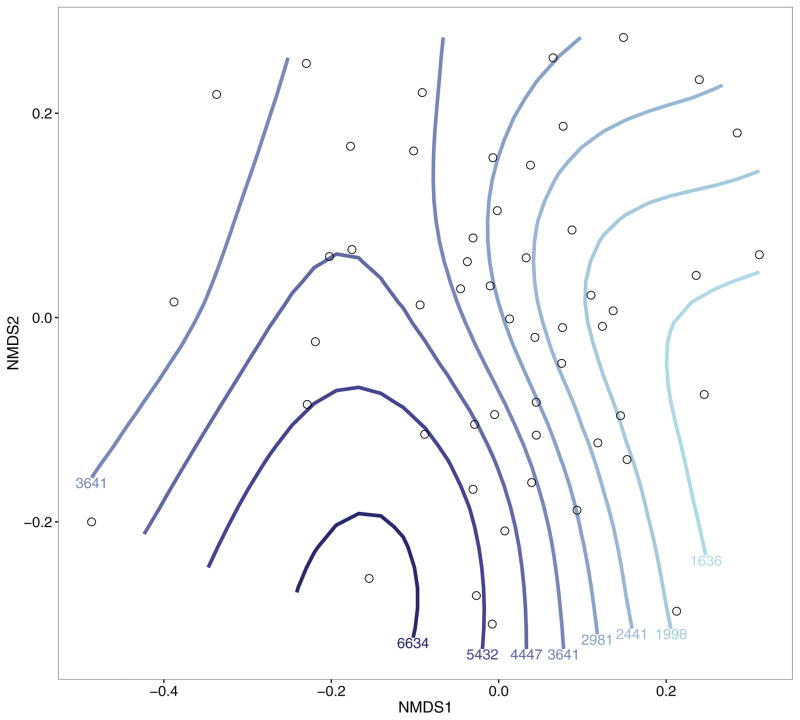
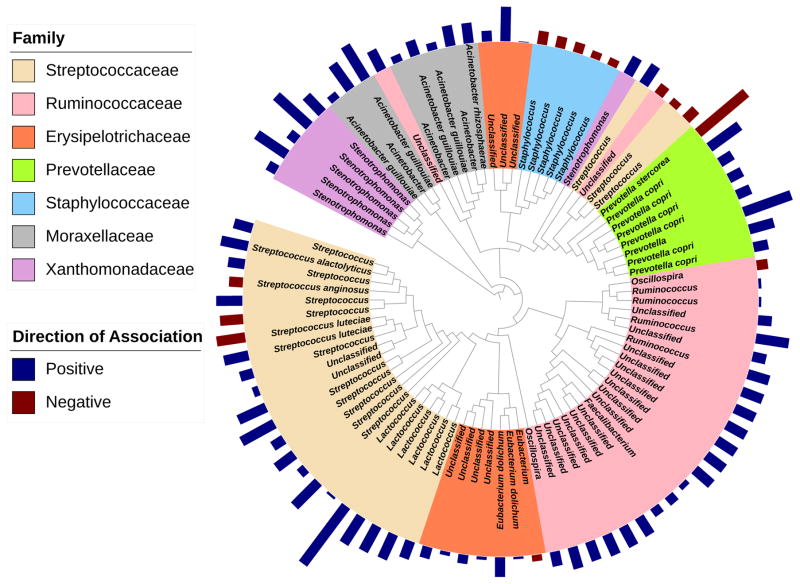
Results: Individually, immunomodulators TGFβ1 and TGFβ2 were significantly associated with neonatal gut microbial composition (R = 0.024, P = 0.041; R = 0.026, P = 0.012, respectively) and increased richness, evenness, and diversity, but IL-10 was not. The effects of TGFβ1 and TGFβ2, however, were not independent of one another, and the effect of TGFβ2 was stronger than that of TGFβ1. Higher levels of TGFβ2 were associated with the increased relative abundance of several bacteria, including members of Streptococcaceae and Ruminococcaceae, and lower relative abundance of distinct Staphylococcaceae taxa.
Conclusions: Breast milk TGFβ concentration explains a portion of variability in gut bacterial microbiota composition among breast-fed neonates. Whether TGFβ acts in isolation or jointly with other bioactive components to alter bacterial composition requires further investigation. These findings contribute to an increased understanding of how breast-feeding affects the gut microbiome-and potentially immune development-in early life.
Conflict of interest statement
The authors declare that they have no conflicts of interest.
Figures
References
-
- Macpherson AJ, Harris NL. Interactions between commensal intestinal bacteria and the immune system. Nature Reviews Immunology. 2004;4(6):478–85. - PubMed
-
- Wopereis H, Oozeer R, Knipping K, et al. The first thousand days–intestinal microbiology of early life: establishing a symbiosis. Pediatric Allergy and Immunology. 2014;25(5):428–38. - PubMed
Publication types
MeSH terms
Substances
Grants and funding
LinkOut - more resources
Full Text Sources
Other Literature Sources
Medical
Miscellaneous
