


Transition Planning For After Polio Eradication
- PMID: 28838183
- PMCID: PMC5853549
- DOI: 10.1093/infdis/jix026
Transition Planning For After Polio Eradication
Abstract
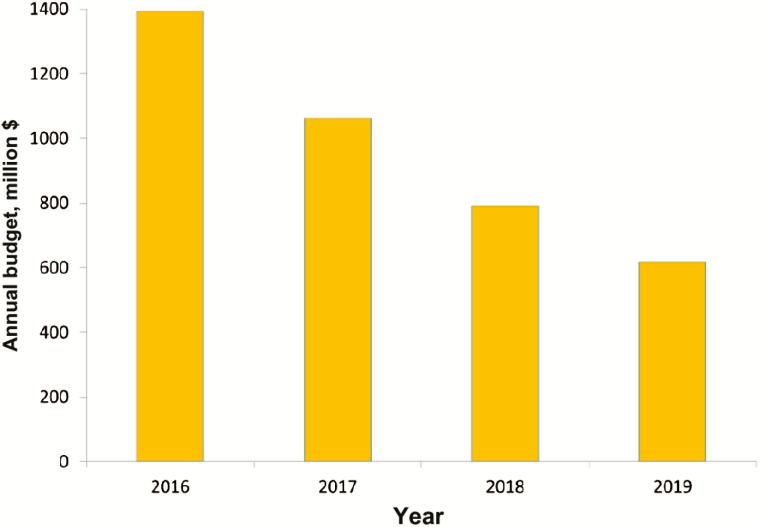
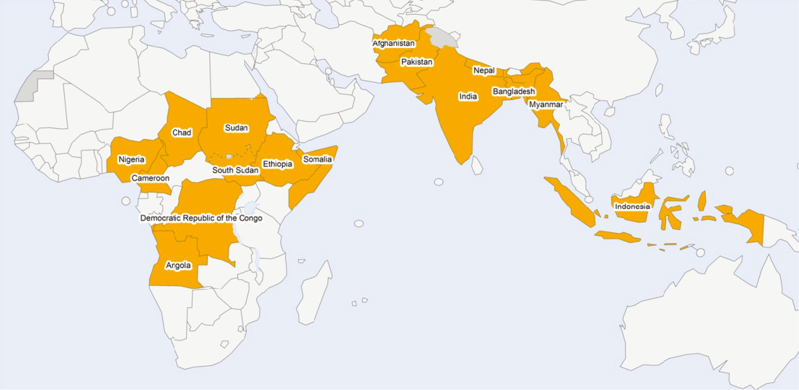
The Global Polio Eradication Initiative (GPEI) has been in operation since 1988, now spends $1 billion annually, and operates through thousands of staff and millions of volunteers in dozens of countries. It has brought polio to the brink of eradication. After eradication is achieved, what should happen to the substantial assets, capabilities, and lessons of the GPEI? To answer this question, an extensive process of transition planning is underway. There is an absolute need to maintain and mainstream some of the functions, to keep the world polio-free. There is also considerable risk-and, if seized, substantial opportunity-for other health programs and priorities. And critical lessons have been learned that can be used to address other health priorities. Planning has started in the 16 countries where GPEI's footprint is the greatest and in the program's 5 core agencies. Even though poliovirus transmission has not yet been stopped globally, this planning process is gaining momentum, and some plans are taking early shape. This is a complex area of work-with difficult technical, financial, and political elements. There is no significant precedent. There is forward motion and a willingness on many sides to understand and address the risks and to explore the opportunities. Very substantial investments have been made, over 30 years, to eradicate a human pathogen from the world for the second time ever. Transition planning represents a serious intent to responsibly bring the world's largest global health effort to a close and to protect and build upon the investment in this effort, where appropriate, to benefit other national and global priorities. Further detailed technical work is now needed, supported by broad and engaged debate, for this undertaking to achieve its full potential.
Keywords: Polio eradication; immunization policy; transition planning.
© The Author 2017. Published by Oxford University Press for the Infectious Diseases Society of America.
Figures
References
-
- Measles and Rubella Initiative. Measles and rubella global strategic plan 2012-2020 midterm review. http://measlesrubellainitiative.org/wp-content/uploads/2016/07/MTR-Repor... . Accessed 24 February 2017.
-
- Global Polio Eradication Initiative. History of polio. http://polioeradication.org/polio-today/history-of-polio/ Accessed 2 December 2016.
-
- Global Polio Eradication Initiative. WHO polio weekly global surveillance update. http://www.polioeradication.org/ Accessed 18 November 2016.
-
- Independent Monitoring Board of the Global Polio Eradication Initiative. The rocky road to zero. London: Independent Monitoring Board; 2015.
-
- Global Polio Eradication Initiative. Financial Resource Requirements 2013–2019 (as of 1 April 2016). http://polioeradication.org/wp-content/uploads/2016/10/FRR2013-2019_Apri... . Accessed 21 November 2016
Publication types
MeSH terms
Grants and funding
LinkOut - more resources
Full Text Sources
Other Literature Sources
Medical
