


Plastics and cardiovascular health: phthalates may disrupt heart rate variability and cardiovascular reactivity
- PMID: 28842438
- PMCID: PMC5792203
- DOI: 10.1152/ajpheart.00364.2017
Plastics and cardiovascular health: phthalates may disrupt heart rate variability and cardiovascular reactivity
Abstract
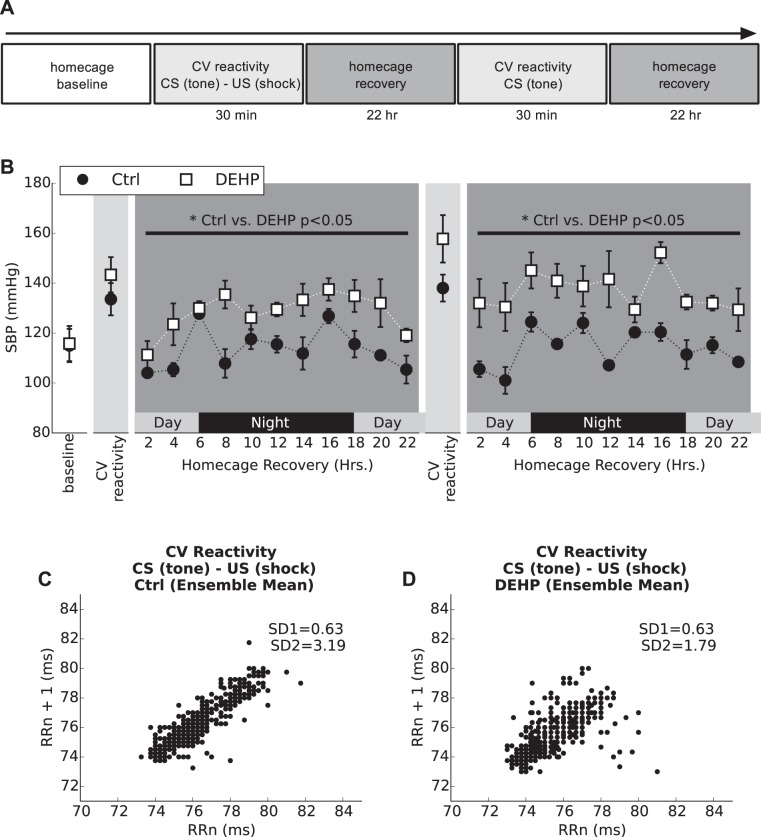
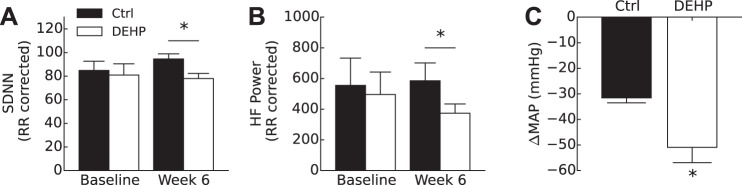
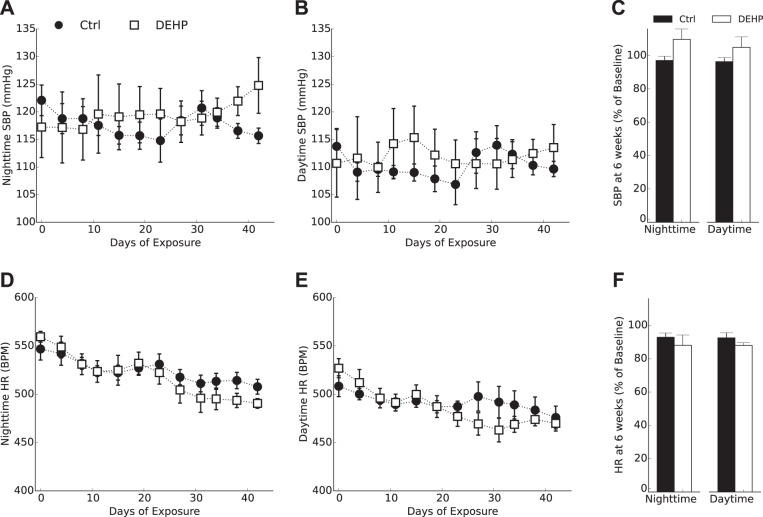
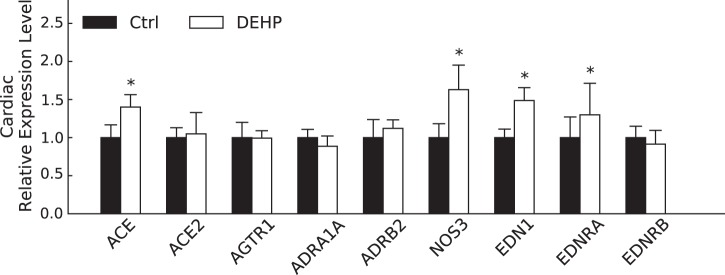
Plastics have revolutionized medical device technology, transformed hematological care, and facilitated modern cardiology procedures. Despite these advances, studies have shown that phthalate chemicals migrate out of plastic products and that these chemicals are bioactive. Recent epidemiological and research studies have suggested that phthalate exposure adversely affects cardiovascular function. Our objective was to assess the safety and biocompatibility of phthalate chemicals and resolve the impact on cardiovascular and autonomic physiology. Adult mice were implanted with radiofrequency transmitters to monitor heart rate variability, blood pressure, and autonomic regulation in response to di-2-ethylhexyl-phthalate (DEHP) exposure. DEHP-treated animals displayed a decrease in heart rate variability (-17% SD of normal beat-to-beat intervals and -36% high-frequency power) and an exaggerated mean arterial pressure response to ganglionic blockade (31.5% via chlorisondamine). In response to a conditioned stressor, DEHP-treated animals displayed enhanced cardiovascular reactivity (-56% SD major axis Poincarè plot) and prolonged blood pressure recovery. Alterations in cardiac gene expression of endothelin-1, angiotensin-converting enzyme, and nitric oxide synthase may partly explain these cardiovascular alterations. This is the first study to show an association between phthalate chemicals that are used in medical devices with alterations in autonomic regulation, heart rate variability, and cardiovascular reactivity. Because changes in autonomic balance often precede clinical manifestations of hypertension, atherosclerosis, and conduction abnormalities, future studies are warranted to assess the downstream impact of plastic chemical exposure on end-organ function in sensitive patient populations. This study also highlights the importance of adopting safer biomaterials, chemicals, and/or surface coatings for use in medical devices.NEW & NOTEWORTHY Phthalates are widely used in the manufacturing of consumer and medical products. In the present study, di-2-ethylhexyl-phthalate exposure was associated with alterations in heart rate variability and cardiovascular reactivity. This highlights the importance of investigating the impact of phthalates on health and identifying suitable alternatives for medical device manufacturing.
Keywords: autonomic; cardiovascular reactivity; endocrine disruptor; heart rate variability; phthalate.
Copyright © 2017 the American Physiological Society.
Figures
References
-
- Ahlborg G, Ottosson-Seeberger A, Hemsén A, Lundberg JM. Central and regional hemodynamic effects during infusion of Big endothelin-1 in healthy humans. J Appl Physiol 80: 1921–1927, 1996. - PubMed
-
- AuBuchon JP, Estep TN, Davey RJ. The effect of the plasticizer di-2-ethylhexyl phthalate on the survival of stored RBCs. Blood 71: 448–452, 1988. - PubMed
-
- Barouch LA, Harrison RW, Skaf MW, Rosas GO, Cappola TP, Kobeissi ZA, Hobai IA, Lemmon CA, Burnett AL, O’Rourke B, Rodriguez ER, Huang PL, Lima JAC, Berkowitz DE, Hare JM. Nitric oxide regulates the heart by spatial confinement of nitric oxide synthase isoforms. Nature 416: 337–339, 2002. doi: 10.1038/416337a. - DOI - PubMed
-
- Barry YA, Labow RS, Rock G, Keon WJ. Cardiotoxic effects of the plasticizer metabolite, mono (2-ethylhexyl)phthalate (MEHP), on human myocardium. Blood 72: 1438–1439, 1988. - PubMed
MeSH terms
Substances
Grants and funding
LinkOut - more resources
Full Text Sources
Other Literature Sources
