


Mitochondrial permeabilization engages NF-κB-dependent anti-tumour activity under caspase deficiency
- PMID: 28846096
- PMCID: PMC5624512
- DOI: 10.1038/ncb3596
Mitochondrial permeabilization engages NF-κB-dependent anti-tumour activity under caspase deficiency
Abstract
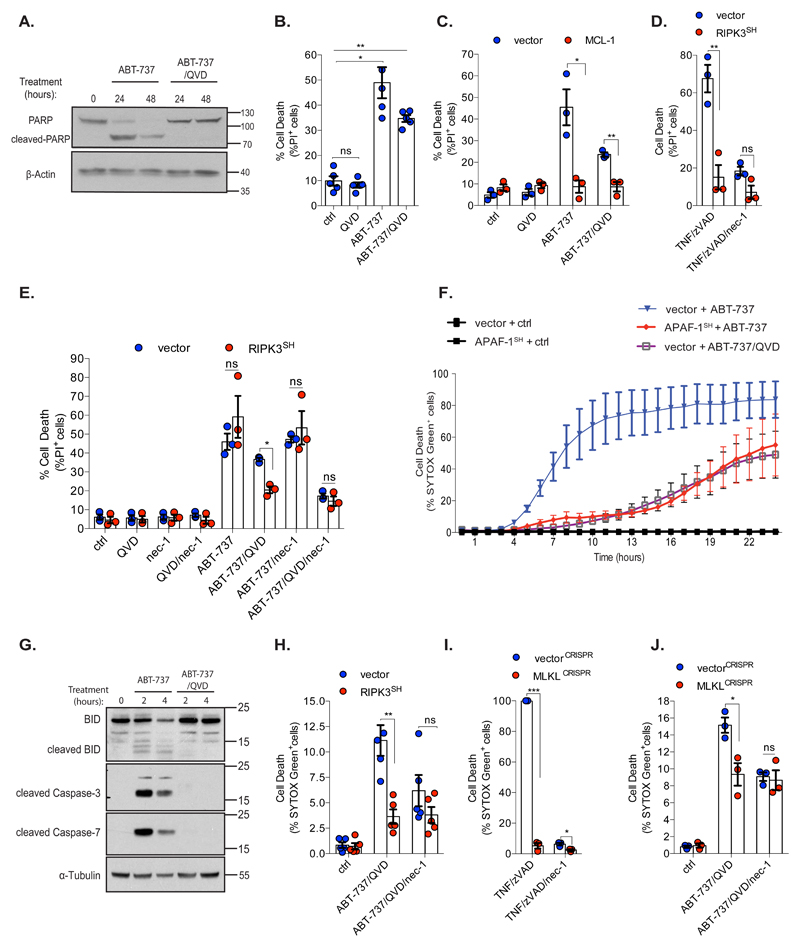
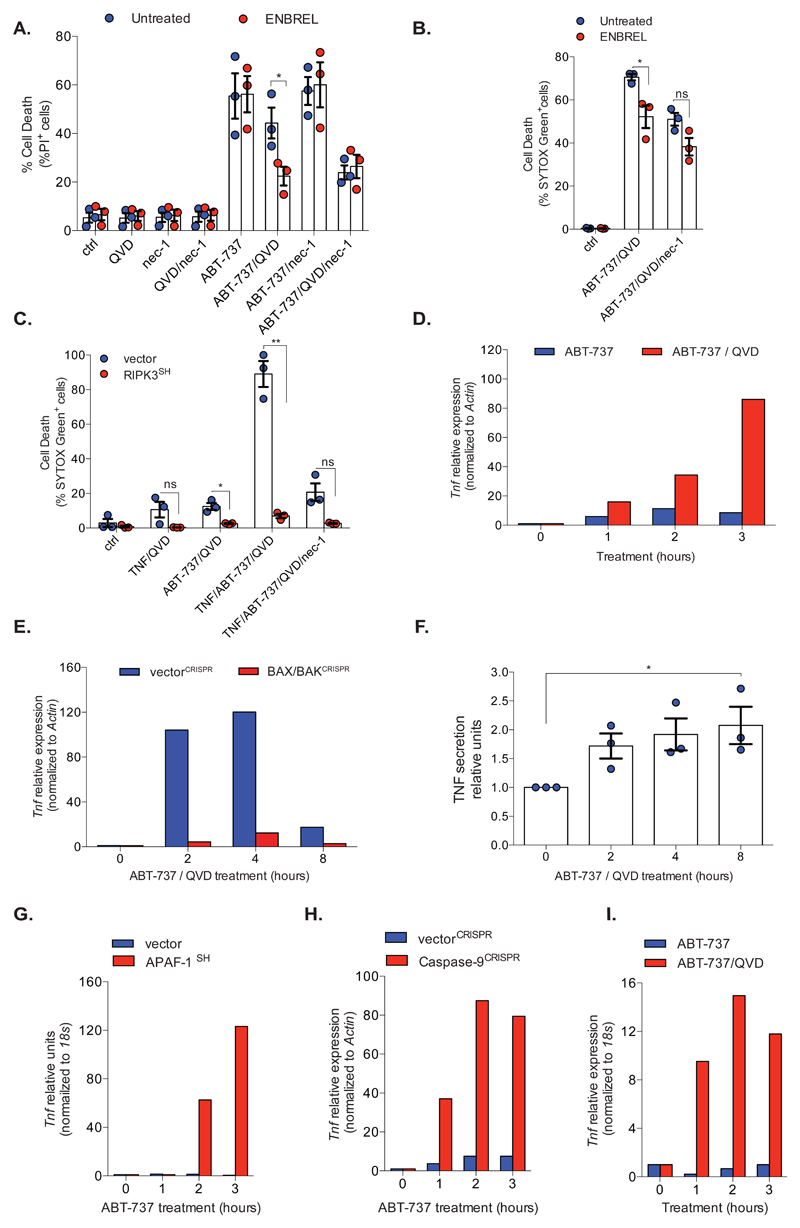
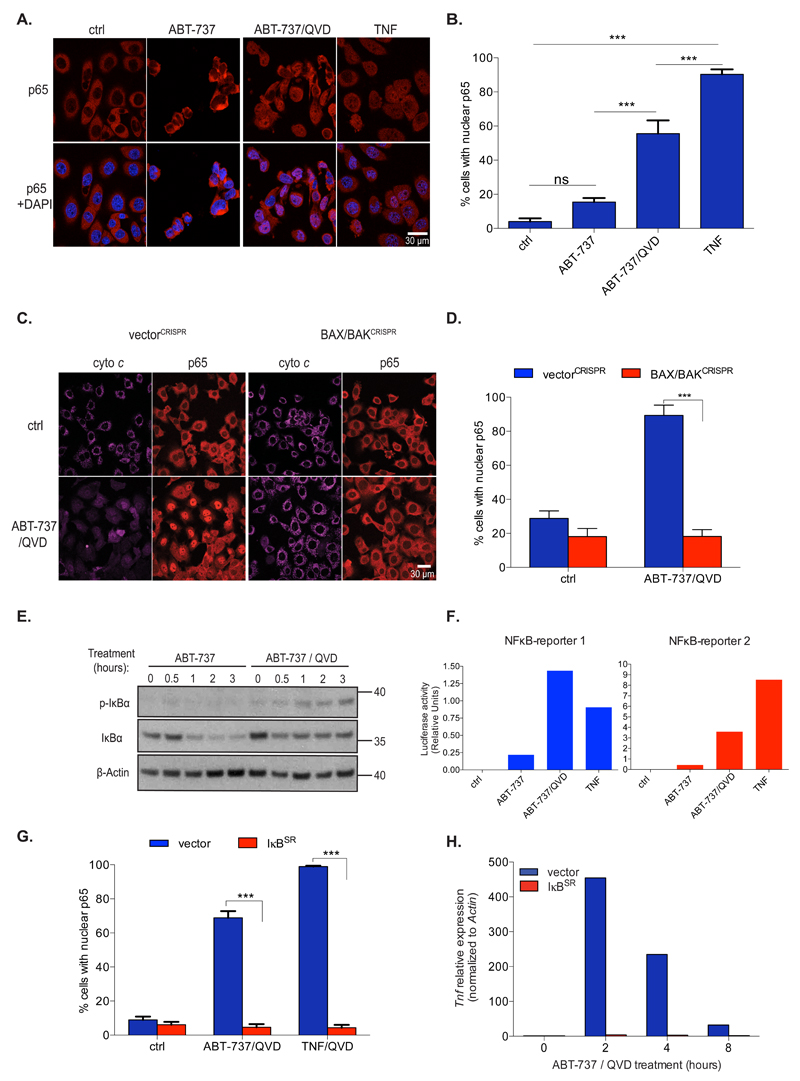
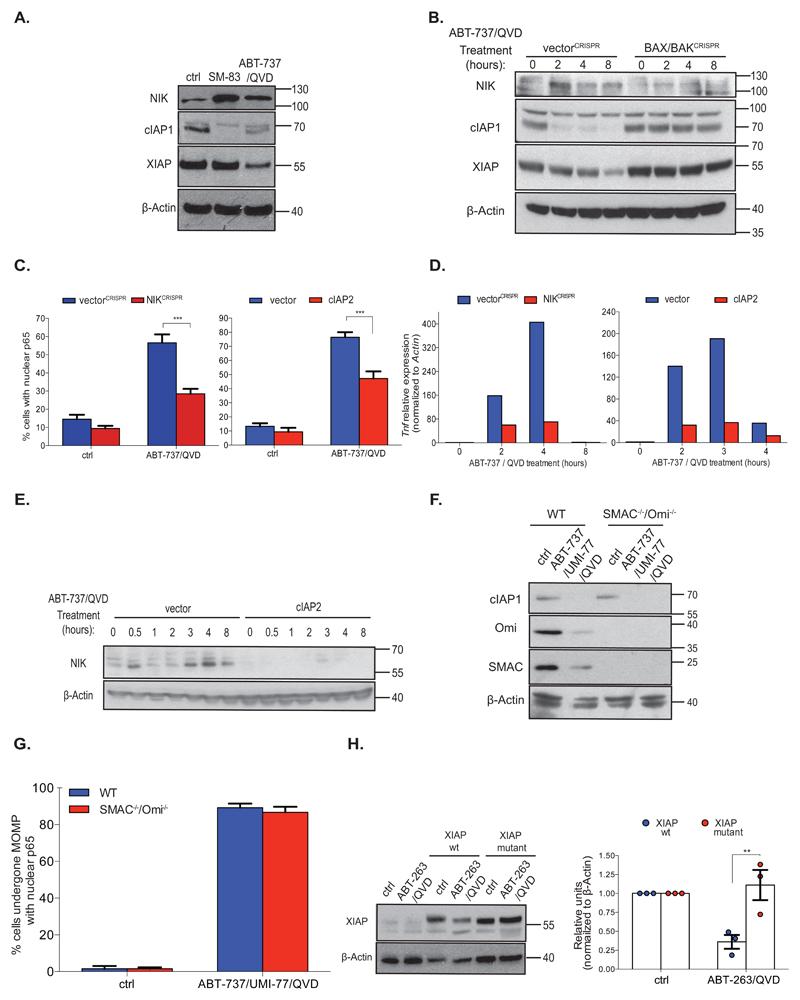
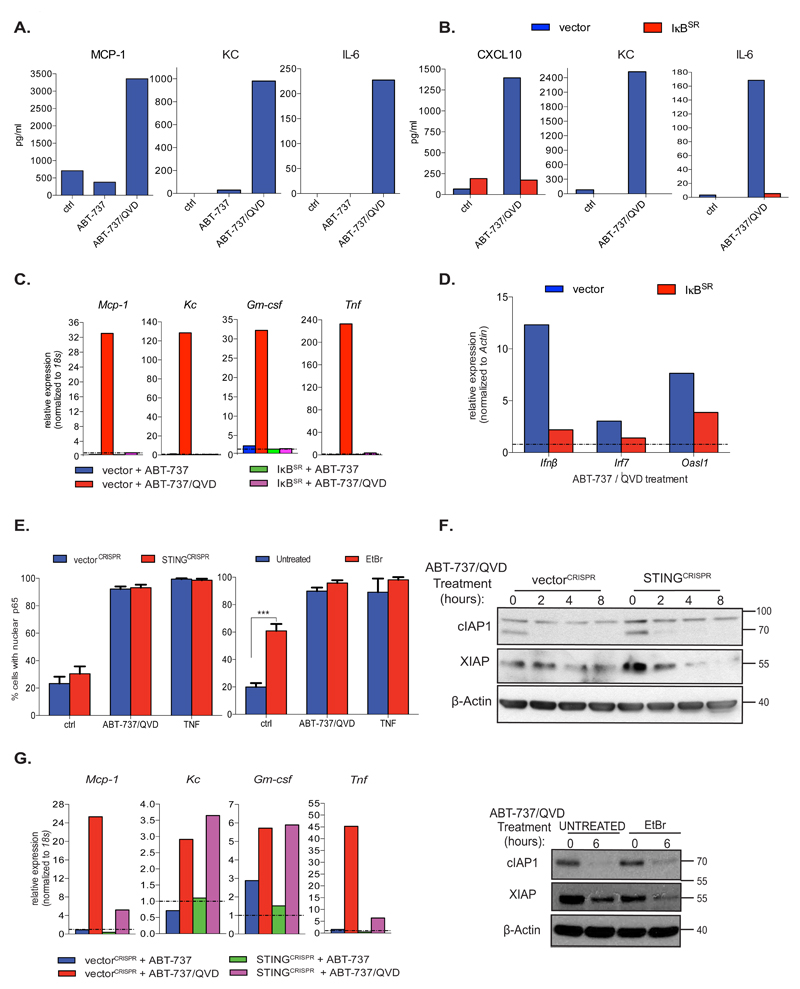
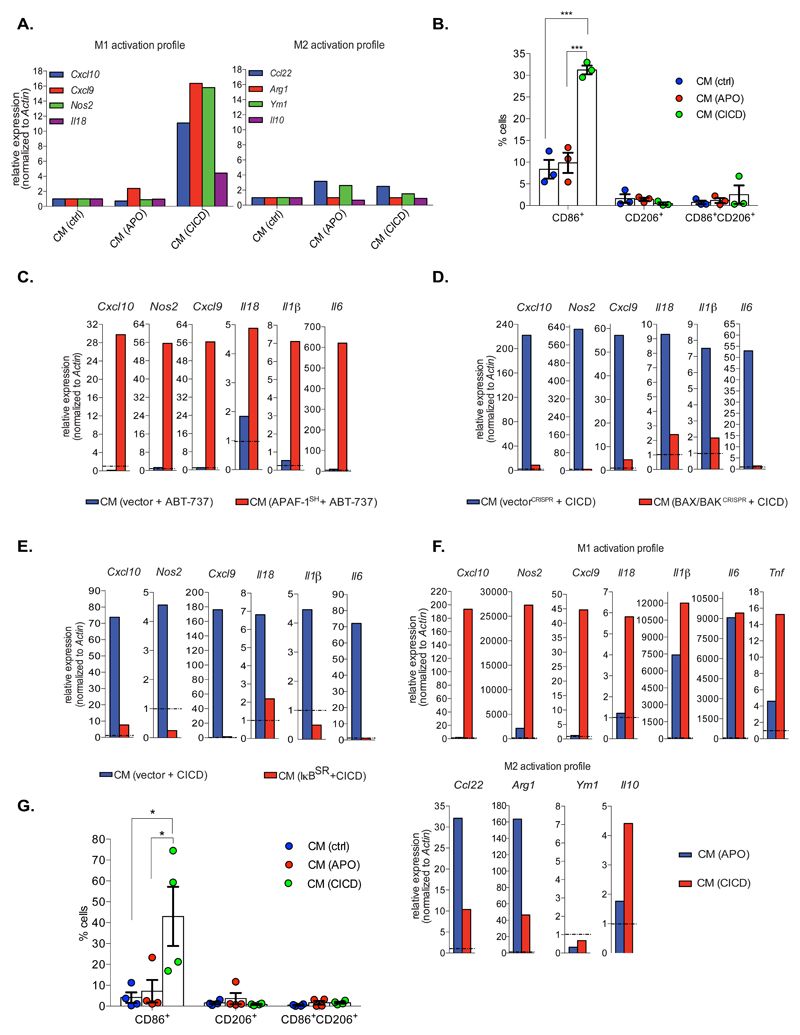
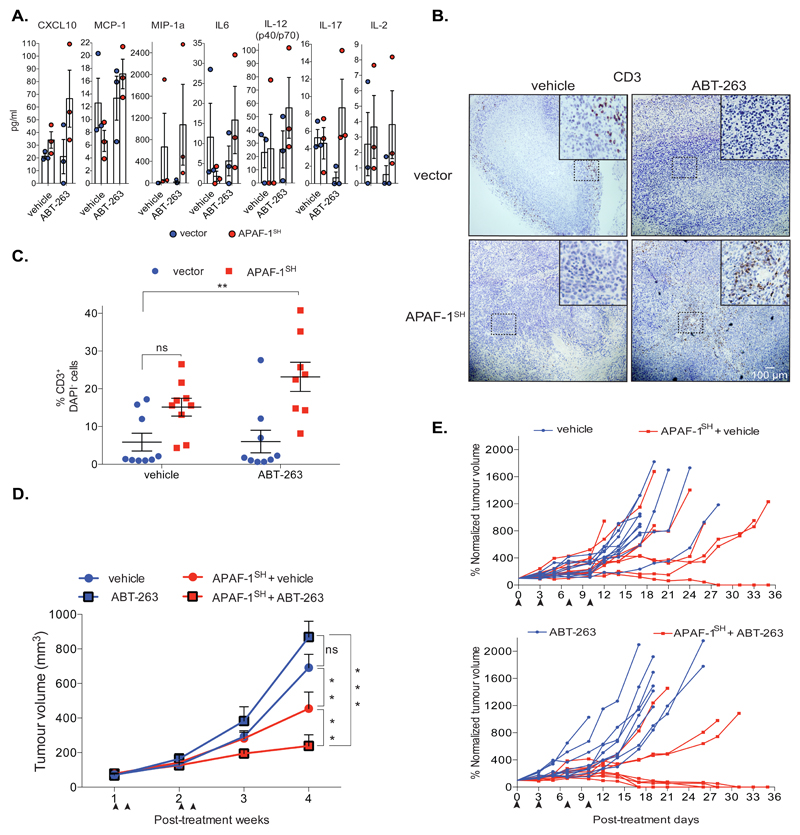
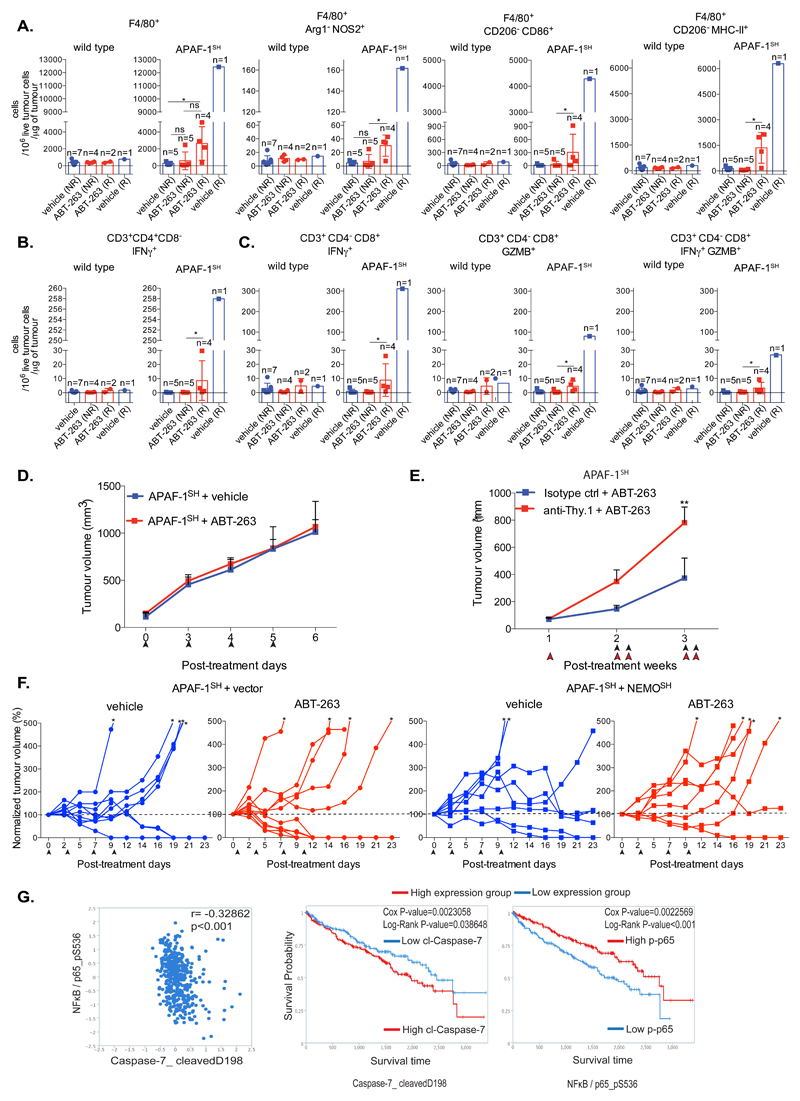
Apoptosis represents a key anti-cancer therapeutic effector mechanism. During apoptosis, mitochondrial outer membrane permeabilization (MOMP) typically kills cells even in the absence of caspase activity. Caspase activity can also have a variety of unwanted consequences that include DNA damage. We therefore investigated whether MOMP-induced caspase-independent cell death (CICD) might be a better way to kill cancer cells. We find that cells undergoing CICD display potent pro-inflammatory effects relative to apoptosis. Underlying this, MOMP was found to stimulate NF-κB activity through the downregulation of inhibitor of apoptosis proteins. Strikingly, engagement of CICD displays potent anti-tumorigenic effects, often promoting complete tumour regression in a manner dependent on intact immunity. Our data demonstrate that by activating NF-κB, MOMP can exert additional signalling functions besides triggering cell death. Moreover, they support a rationale for engaging caspase-independent cell death in cell-killing anti-cancer therapies.
Figures
Comment in
-
Caspase-independent cell death: An anti-cancer double whammy.Cell Cycle. 2018;17(3):269-270. doi: 10.1080/15384101.2017.1408229. Epub 2018 Feb 19. Cell Cycle. 2018. PMID: 29169278 Free PMC article. No abstract available.
References
MeSH terms
Substances
Grants and funding
LinkOut - more resources
Full Text Sources
Other Literature Sources
Research Materials
