


Low-FODMAP Diet Improves Irritable Bowel Syndrome Symptoms: A Meta-Analysis
- PMID: 28846594
- PMCID: PMC5622700
- DOI: 10.3390/nu9090940
Low-FODMAP Diet Improves Irritable Bowel Syndrome Symptoms: A Meta-Analysis
Abstract
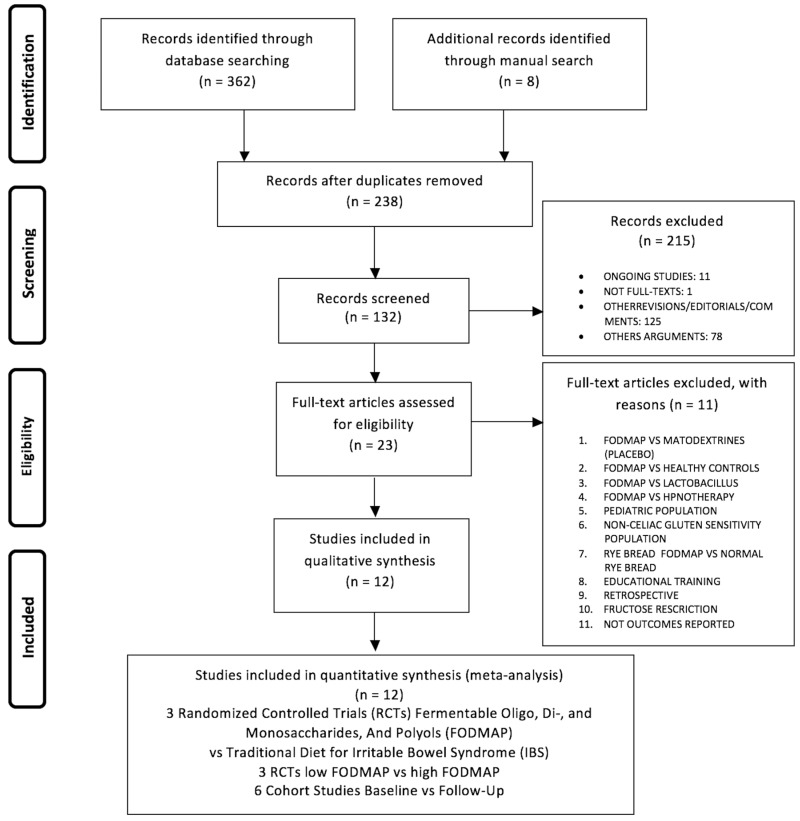
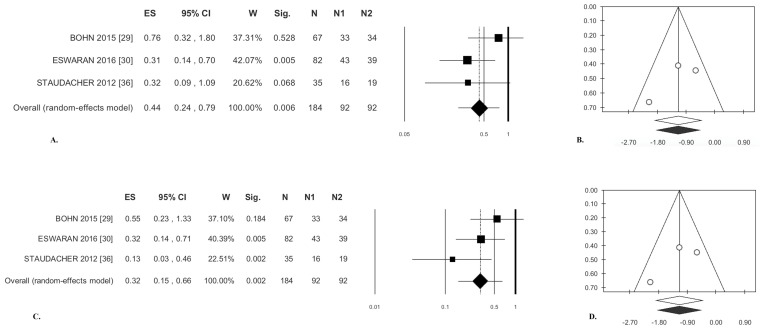
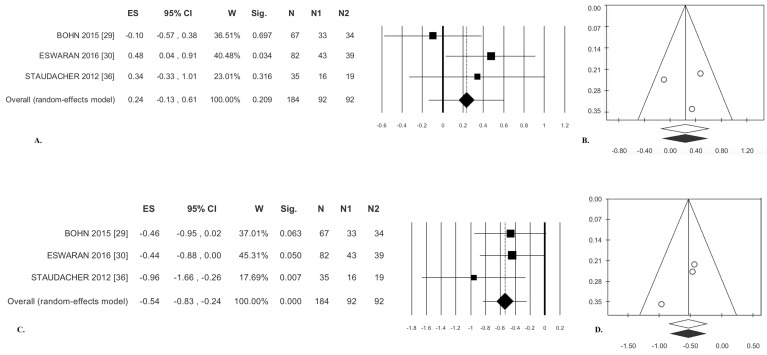
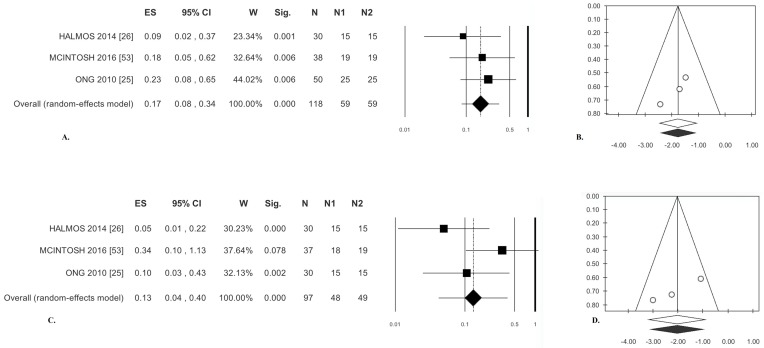
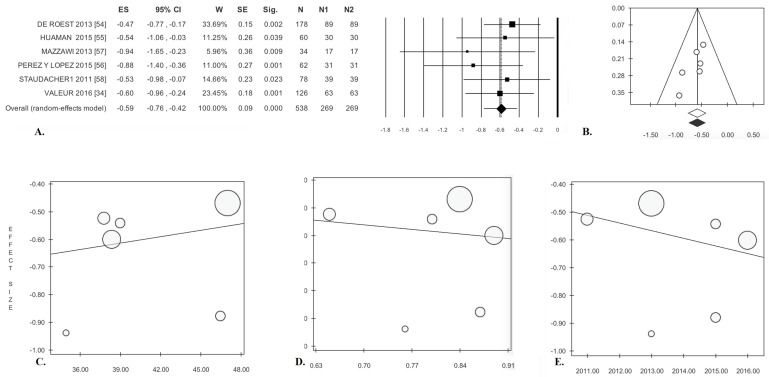
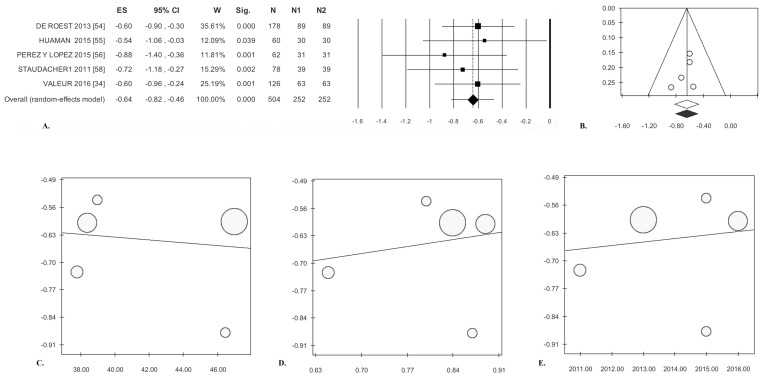
Irritable bowel syndrome (IBS) affects 7-15% of the general population. A recently devised dietary approach consists of restricting foods with highly fermentable oligo-, di-, and monosaccharides, and polyols (FODMAPs), which can trigger and/or exacerbate IBS symptoms. The aim of this study is to use meta-analysis to provide an update on the randomised control trials (RCTs) and cohort studies, and examine them separately in relation to diet type. Papers were selected using the Preferred Reporting Items for Systematic Reviews and Meta-Analyses (PRISMA) flowchart. Cohen's d and odds ratios were used as a measure of effect size for RCTs. A random effects model was used to account for different sources of variation among studies. Heterogeneity was assessed using Q statistics, I², Tau, and Tau². Publication bias was analysed and represented by a funnel plot, and funnel plot symmetry was assessed with Egger's test. The results showed that in the RCTs, the patients receiving a low-FODMAP diet experienced a statistically significant pain and bloating reduction compared with those receiving a traditional diet; as regards to stool consistency, there was no significant difference between treatments. A significant reduction in abdominal pain and bloating were described by patients receiving a low-FODMAP diet compared with those receiving a high-FODMAP diet. In cohort studies, pain and bloating were significantly reduced after treatment compared with the baseline diet. We conclude that there is evidence that a low-FODMAP diet could have a favourable impact on IBS symptoms, especially abdominal pain and bloating. However, it remains to be demonstrated whether a low-FODMAP diet is superior to conventional IBS diets, especially in the long term.
Keywords: epidemiology; irritable bowel syndrome; meta-analysis; nutrition.
Conflict of interest statement
The authors declare no conflict of interest. The founding sponsors had no role in the design of the study; in the collection, analyses, or interpretation of data; in the writing of the manuscript, and in the decision to publish the results.
Figures
References
-
- American College of Gastroenterology Task Force on Irritable Bowel Syndrome. Brandt L.J., Chey W.D., Foxx-Orenstein A.E., Schiller L.R., Schoenfeld P.S., Spiegel B.M., Talley N.J., Quigley E.M. An evidence-based position statement on the management of irritable bowel syndrome. Am. J. Gastroenterol. 2009;104:S1–S35. doi: 10.1038/ajg.2008.122. - DOI - PubMed
-
- Andrews E.B., Eaton S.C., Hollis K.A., Hopkins J.S., Ameen V., Hamm L.R., Cook S.F., Tennis P., Mangel A.W. Prevalence and demographics of irritable bowel syndrome: Results from a large web-based survey. Aliment. Pharmacol. Ther. 2005;22:935–942. doi: 10.1111/j.1365-2036.2005.02671.x. - DOI - PubMed
Publication types
MeSH terms
Substances
LinkOut - more resources
Full Text Sources
Other Literature Sources
Medical
