


Pathogenicity testing of influenza candidate vaccine viruses in the ferret model
- PMID: 28846898
- PMCID: PMC5791157
- DOI: 10.1016/j.virol.2017.08.024
Pathogenicity testing of influenza candidate vaccine viruses in the ferret model
Abstract
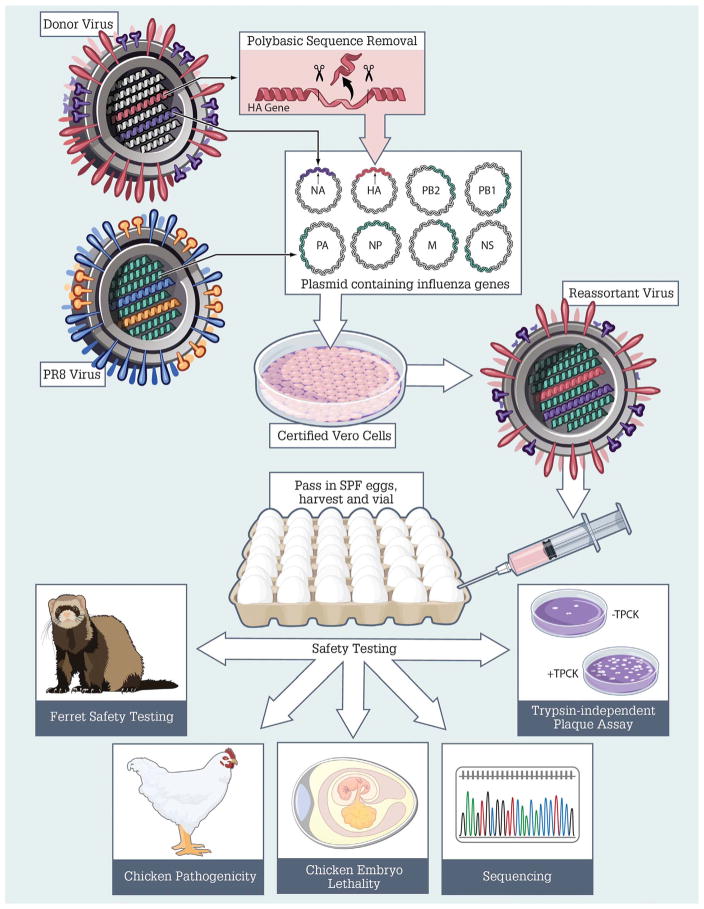
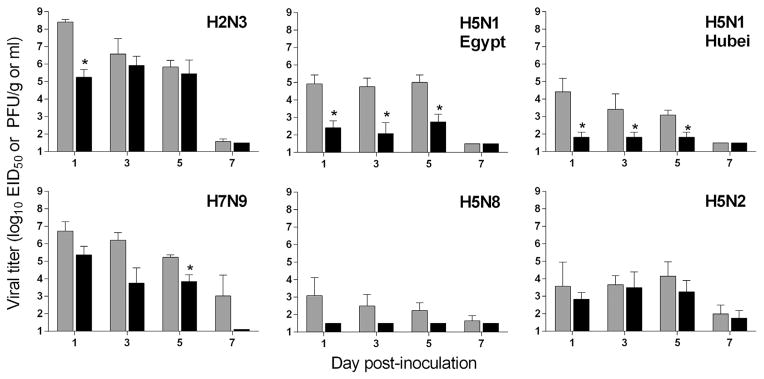
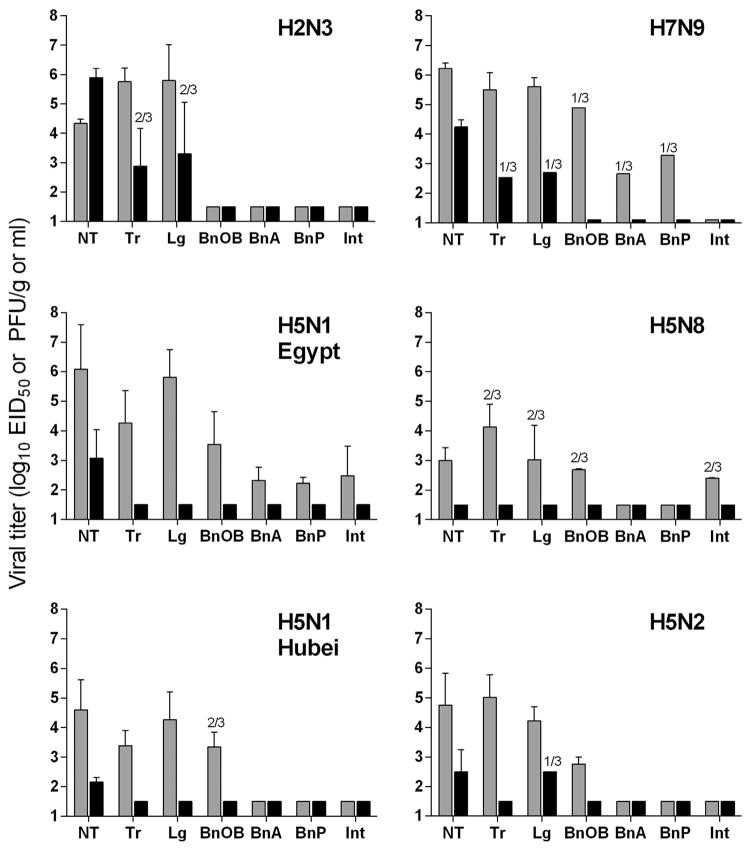
The development of influenza candidate vaccine viruses (CVVs) for pre-pandemic vaccine production represents a critical step in pandemic preparedness. The multiple subtypes and clades of avian or swine origin influenza viruses circulating world-wide at any one time necessitates the continuous generation of CVVs to provide an advanced starting point should a novel zoonotic virus cross the species barrier and cause a pandemic. Furthermore, the evolution and diversity of novel influenza viruses that cause zoonotic infections requires ongoing monitoring and surveillance, and, when a lack of antigenic match between circulating viruses and available CVVs is identified, the production of new CVVs. Pandemic guidelines developed by the WHO Global Influenza Program govern the design and preparation of reverse genetics-derived CVVs, which must undergo numerous safety and quality tests prior to human use. Confirmation of reassortant CVV attenuation of virulence in ferrets relative to wild-type virus represents one of these critical steps, yet there is a paucity of information available regarding the relative degree of attenuation achieved by WHO-recommended CVVs developed against novel viruses with pandemic potential. To better understand the degree of CVV attenuation in the ferret model, we examined the relative virulence of six A/Puerto Rico/8/1934-based CVVs encompassing five different influenza A subtypes (H2N3, H5N1, H5N2, H5N8, and H7N9) compared with the respective wild-type virus in ferrets. Despite varied virulence of wild-type viruses in the ferret, all CVVs examined showed reductions in morbidity and viral shedding in upper respiratory tract tissues. Furthermore, unlike the wild-type counterparts, none of the CVVs spread to extrapulmonary tissues during the acute phase of infection. While the magnitude of virus attenuation varied between virus subtypes, collectively we show the reliable and reproducible attenuation of CVVs that have the A/Puerto Rico/9/1934 backbone in a mammalian model.
Keywords: Ferret; Influenza; Pathogenicity; Vaccine viruses.
Published by Elsevier Inc.
Figures
References
-
- Chosewood LC, Wilson DE Centers for Disease Control and Prevention (U.S.), National Institutes of Health (U.S.) Biosafety in Microbiological and Biomedical Laboratories. 5. U.S. Dept. of Health and Human Services, Public Health Service, Centers for Disease Control and Prevention, National Institutes of Health; Washington, D.C: 2009.
-
- Cox NJ, Trock SC, Burke SA. Pandemic preparedness and the Influenza Risk Assessment Tool (IRAT) Curr Top Microbiol Immunol. 2014;385:119–136. - PubMed
MeSH terms
Substances
Grants and funding
LinkOut - more resources
Full Text Sources
Other Literature Sources
Medical
