


In situ analysis of FGFR2 mRNA and comparison with FGFR2 gene copy number by dual-color in situ hybridization in a large cohort of gastric cancer patients
- PMID: 28852882
- PMCID: PMC5906494
- DOI: 10.1007/s10120-017-0758-x
In situ analysis of FGFR2 mRNA and comparison with FGFR2 gene copy number by dual-color in situ hybridization in a large cohort of gastric cancer patients
Abstract
Background: Fibroblast growth factor receptor (FGFR2) has been proposed as a target in gastric cancer. However, appropriate methods to select patients for anti-FGFR2 therapies have not yet been established.
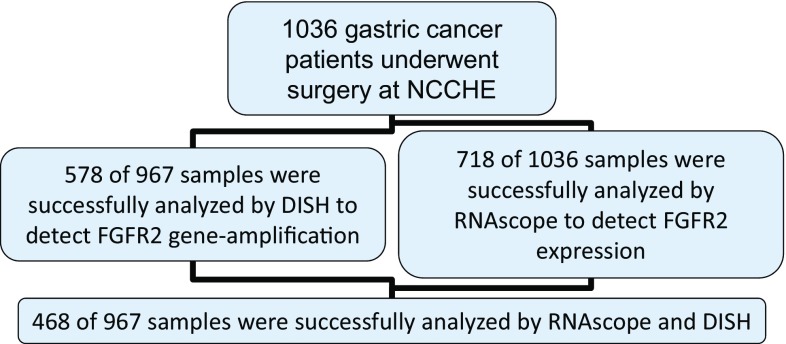
Methods: We used in situ techniques to investigate FGFR2 mRNA expression and gene amplification in a large cohort of 1036 Japanese gastric cancer patients. FGFR2 mRNA expression was determined by RNAscope. FGFR2 gene amplification was determined by dual-color in situ hybridization (DISH).
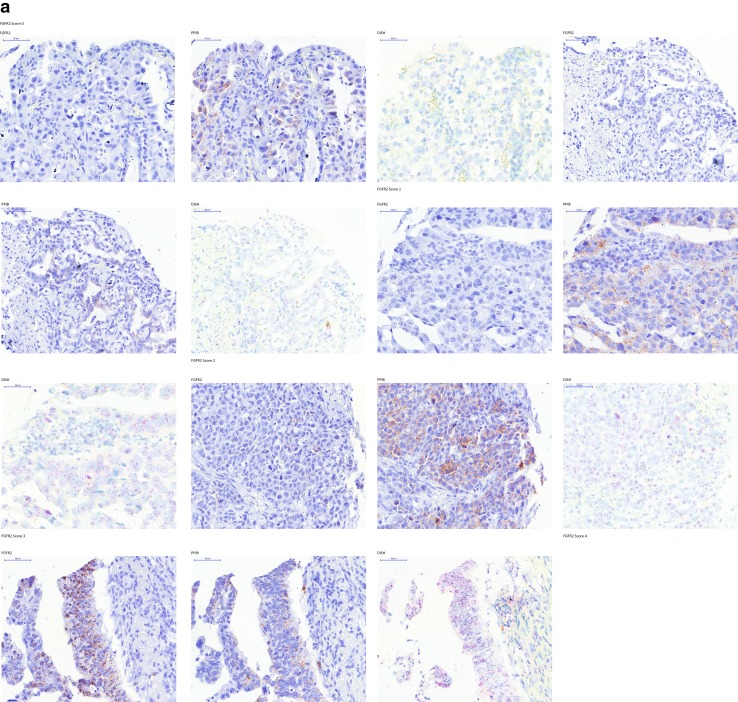
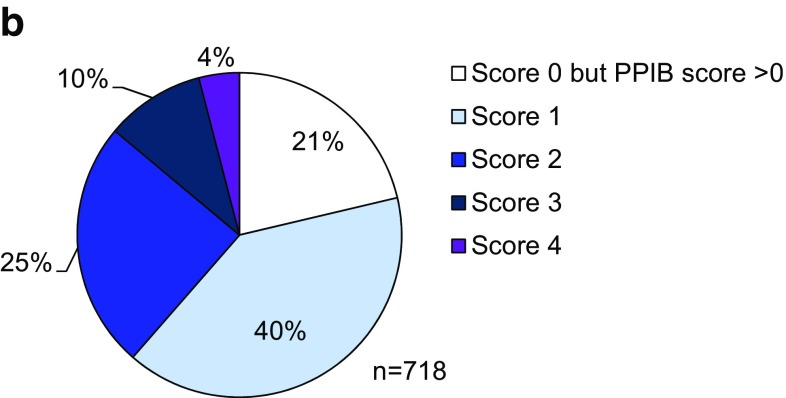
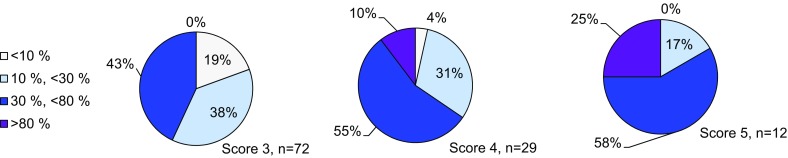
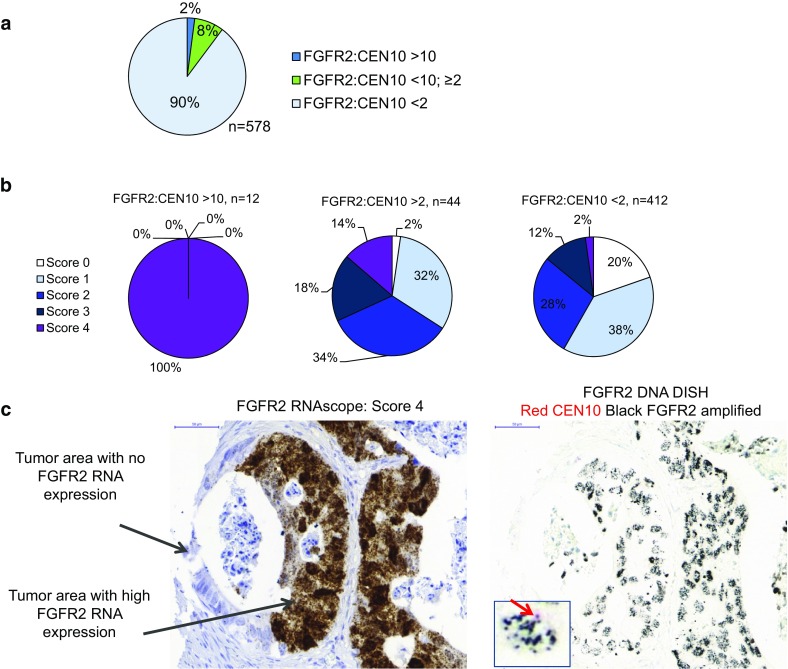
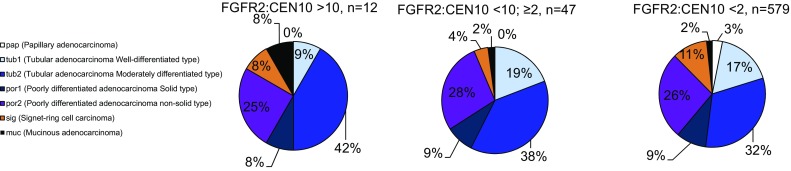
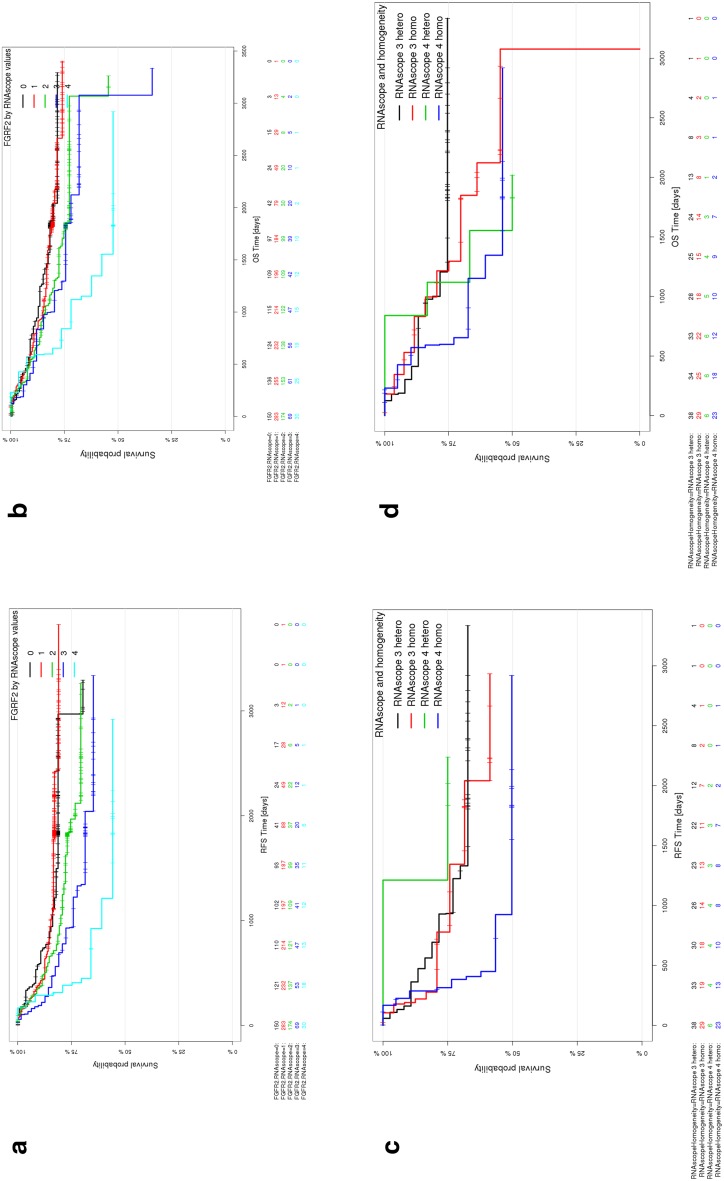
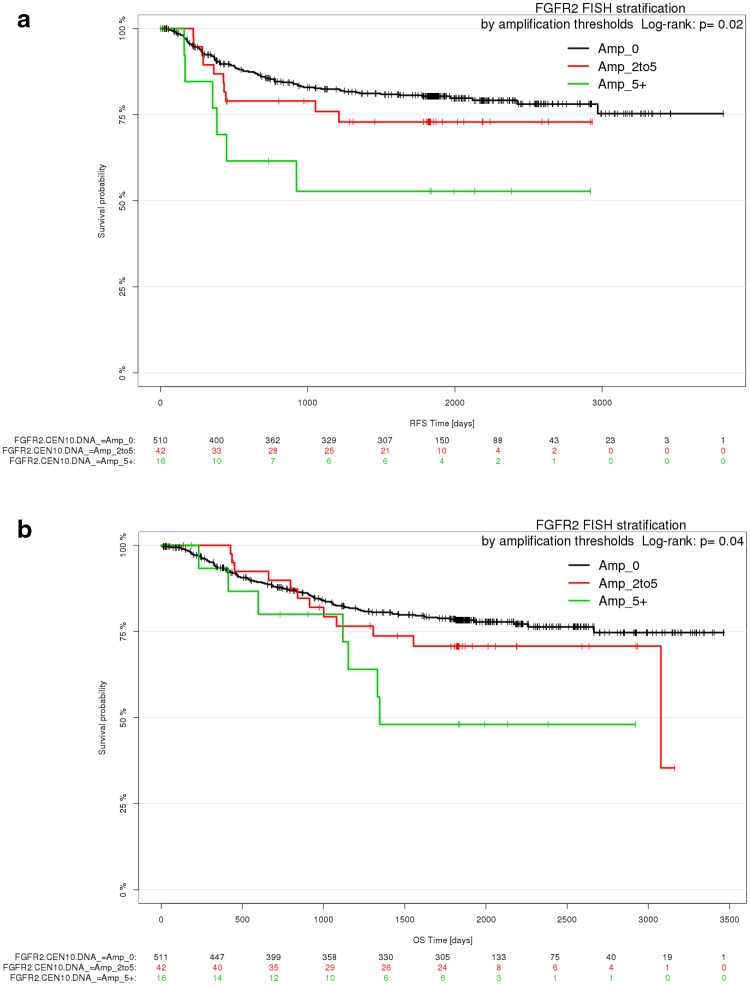
Results: We successfully analyzed 578 and 718 samples by DISH and RNAscope, respectively; 2% (12/578) showed strong FGFR2 gene amplification (FGFR2:CEN10 >10); moderate FGFR2 gene amplification (FGFR2:CEN10 <10; ≥2) was detected in 8% (47/578); and high FGFR2 mRNA expression of score 4 (>10 dots/cell and >10% of positive cells with dot clusters under a 20× objective) was seen in 4% (29/718). For 468 samples, both mRNA and DISH data were available. FGFR2 mRNA expression levels were associated with gene amplification; FGFR2 mRNA levels were highest in the highly amplified samples (n = 12). All highly amplified samples showed very strong FGFR2 mRNA expression (dense clusters of the signal visible under a 1× objective). Patients with very strong FGFR2 mRNA expression showed more homogeneous FGFR2 mRNA expression compared to patients with lower FGFGR2 mRNA expression. Gastric cancer patients with tumors that had an FGFR2 mRNA expression score of 4 had shorter RFS compared with score 0-3 patients.
Conclusion: RNAscope and DISH are suitable methods to evaluate FGFR2 status in gastric cancer. Formalin-fixed paraffin-embedded (FFPE) tissue slides allowed evaluation of the intratumor heterogeneity of these FGFR2 biomarkers.
Keywords: Fibroblast growth factor receptors 2; Gene amplification; In situ hybridization; Molecular targeted therapy; Stomach neoplasms.
Conflict of interest statement
Ethical statement
All procedures followed were in accordance with the ethical standards of the responsible committee on human experimentation (institutional and national) and with the Helsinki Declaration of 1964 and later versions.
Informed consent
Informed consent or a substitute for it was obtained from all patients for being included in the study.
Conflict of interest
Yasutoshi Kuboki, Akiko Nagatsuma, and Atsushi Ochiai have received research grants from Bayer AG. Christoph A. Schatz, Karl Koechert, Sabine Schubert, Sabine Wittemer-Rump, Karl Ziegelbauer, and Thomas Krahn are full-time employees of Bayer AG. Janine Feng is a full-time employee of Ventana Medical Systems, Inc.
Figures
References
-
- Bang YJ, Van Cutsem E, Feyereislova A, Chung HC, Shen L, Sawaki A, et al. Trastuzumab in combination with chemotherapy versus chemotherapy alone for treatment of HER2-positive advanced gastric or gastro-oesophageal junction cancer (ToGA): a phase 3, open-label, randomised controlled trial. Lancet. 2010;376:687–697. doi: 10.1016/S0140-6736(10)61121-X. - DOI - PubMed
Publication types
MeSH terms
Substances
LinkOut - more resources
Full Text Sources
Other Literature Sources
Medical
Miscellaneous
