


Overtreatment in the United States
- PMID: 28877170
- PMCID: PMC5587107
- DOI: 10.1371/journal.pone.0181970
Overtreatment in the United States
Abstract
Background: Overtreatment is a cause of preventable harm and waste in health care. Little is known about clinician perspectives on the problem. In this study, physicians were surveyed on the prevalence, causes, and implications of overtreatment.
Methods: 2,106 physicians from an online community composed of doctors from the American Medical Association (AMA) masterfile participated in a survey. The survey inquired about the extent of overutilization, as well as causes, solutions, and implications for health care. Main outcome measures included: percentage of unnecessary medical care, most commonly cited reasons of overtreatment, potential solutions, and responses regarding association of profit and overtreatment.
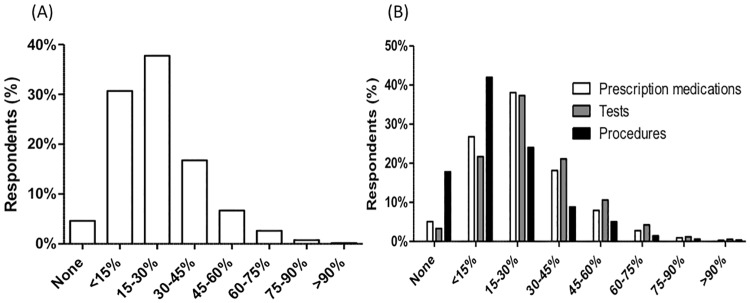
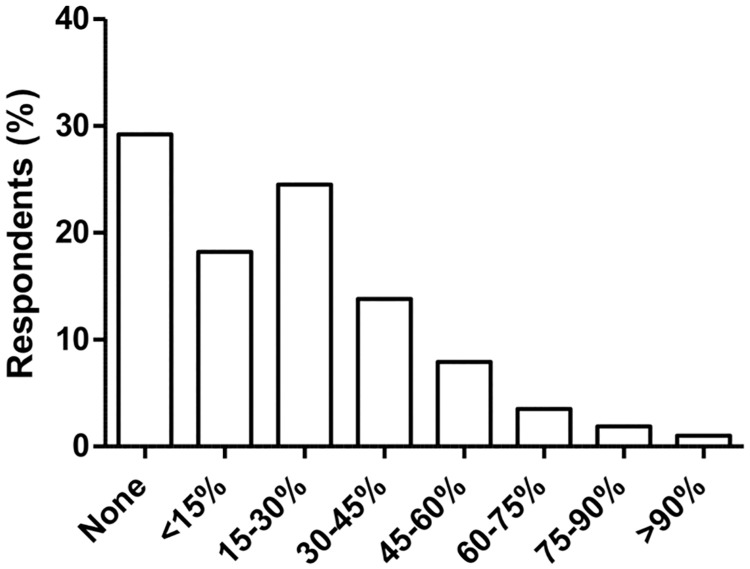
Findings: The response rate was 70.1%. Physicians reported that an interpolated median of 20.6% of overall medical care was unnecessary, including 22.0% of prescription medications, 24.9% of tests, and 11.1% of procedures. The most common cited reasons for overtreatment were fear of malpractice (84.7%), patient pressure/request (59.0%), and difficulty accessing medical records (38.2%). Potential solutions identified were training residents on appropriateness criteria (55.2%), easy access to outside health records (52.0%), and more practice guidelines (51.5%). Most respondents (70.8%) believed that physicians are more likely to perform unnecessary procedures when they profit from them. Most respondents believed that de-emphasizing fee-for-service physician compensation would reduce health care utilization and costs.
Conclusion: From the physician perspective, overtreatment is common. Efforts to address the problem should consider the causes and solutions offered by physicians.
Conflict of interest statement
Figures
References
-
- Institute of Medicine, Committee on the Learning Health Care System in America In: Smith M, Saunders R, Stuckhardt L, McGinnis JM, eds. Best Care at Lower Cost: The Path to Continuously Learning Health Care in America. Washington, DC: National Academies Press (US), 2013. - PubMed
-
- Wennberg JE, Fisher ES, Skinner JS. Geography and the debate over Medicare reform. Health Aff (Millwood) 2002;Suppl Web Exclusives:W96–114. - PubMed
-
- Farrell D, Jensen E, Kocher B, Lovegrove N, Melhem F, Mendonca L et al. Accounting for the cost of US health care: A new look at why Americans spend more. Washington, DC: McKinsey Global Institute; December 2008. (http://www.mckinsey.com/insights/health_systems_and_services/accounting_...)
-
- Hecker MT, Aron DC, Patel NP, Lehmann MK, Donskey CJ. Unnecessary use of antimicrobials in hospitalized patients: current patterns of misuse with an emphasis on the antianaerobic spectrum of activity. Arch Intern Med 2003;163:972–8. doi: 10.1001/archinte.163.8.972 - DOI - PubMed
-
- Lehnert BE, Bree RL. Analysis of appropriateness of outpatient CT and MRI referred from primary care clinics at an academic medical center: how critical is the need for improved decision support? J Am Coll Radiol 2010;7:192–7. doi: 10.1016/j.jacr.2009.11.010 - DOI - PubMed
MeSH terms
LinkOut - more resources
Full Text Sources
Other Literature Sources
