


Cutaneous Toxicities of Molecular Targeted Therapies
- PMID: 28878837
- PMCID: PMC5574072
Cutaneous Toxicities of Molecular Targeted Therapies
Abstract
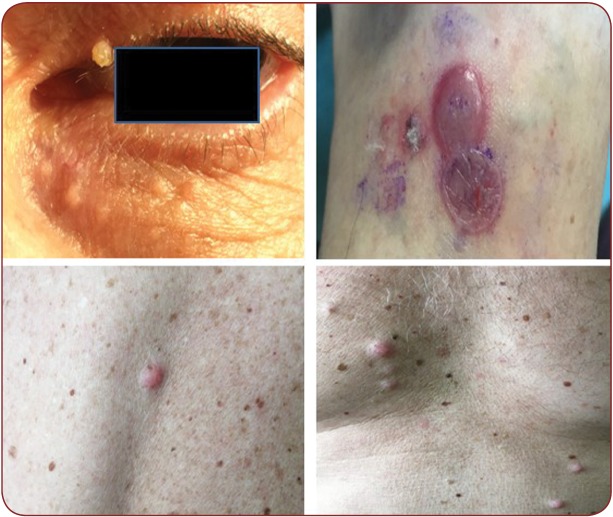
Antineoplastic targeted therapies, such as EGFR inhibitors, tyrosine kinase inhibitors and BRAF inhibitors, frequently lead to systemic and cutaneous side effects, significantly affecting patient's quality of life. Patients with new targeted therapies have an increased risk of developing skin reactions. The new molecular target therapies developed in the last decades can induce severe skin reactions, which may require dose reduction or discontinuation of treatment and consequently, a decrease in patient's quality of life. The present paper describes toxic cutaneous reactions associated with the most frequently used molecular therapies (epidermal growth factor receptor inhibitors, tyrosine kinase inhibitors, BRAF-inhibitors), frequency of occurrence and methods of diagnosis and treatment, in order to offer a clinically efficient management for maintaining a good quality of life, with compliance to treatment and good therapeutic efficacy. Knowledge of cutaneous adverse reactions in new therapies is mandatory in order to have a proper management of oncologic patients. Recognizing target therapy toxicities by both oncologists and dermatologists, understanding therapeutic mechanisms and choosing optimum treatments for oncologic patients are critical. A correct evaluation of skin toxicity can allow for an adequate decision regarding treatment dose or discontinuation, impacting therapy response and patient survival.
Figures
References
-
- Veronica J Shi, Lauren L Levy, Jennifer N Choi. - Cutaneous manifestations of nontargeted and targeted chemotherapies. Seminars in Oncology. 2016;43:419–425. - PubMed
-
- Macdonald JB, Macdonald B, Goli; LE, LoRusso P, Sekulic A. - Cutaneous adverse eff ects of targeted therapies: Part I: Inhibitors of the cellular membrane. J Am Acad Dermatol. 2015;72:203–208. - PubMed
-
- Arrieta O, Carmona A, de Jesus Vega MT, Lopez-Mejia M, Cardona AF. - Skin communicates what we deeply feel: antibiotic prophylactic treatment to reduce epidermal growth factor receptor inhibitors induced rash in lung cancer (the Pan Canadian rash trial). Annals of Translational Medicine. 2016;4:313. - PMC - PubMed
LinkOut - more resources
Full Text Sources
Research Materials
Miscellaneous