


Dietary Polyphenols, Mediterranean Diet, Prediabetes, and Type 2 Diabetes: A Narrative Review of the Evidence
- PMID: 28883903
- PMCID: PMC5572601
- DOI: 10.1155/2017/6723931
Dietary Polyphenols, Mediterranean Diet, Prediabetes, and Type 2 Diabetes: A Narrative Review of the Evidence
Abstract
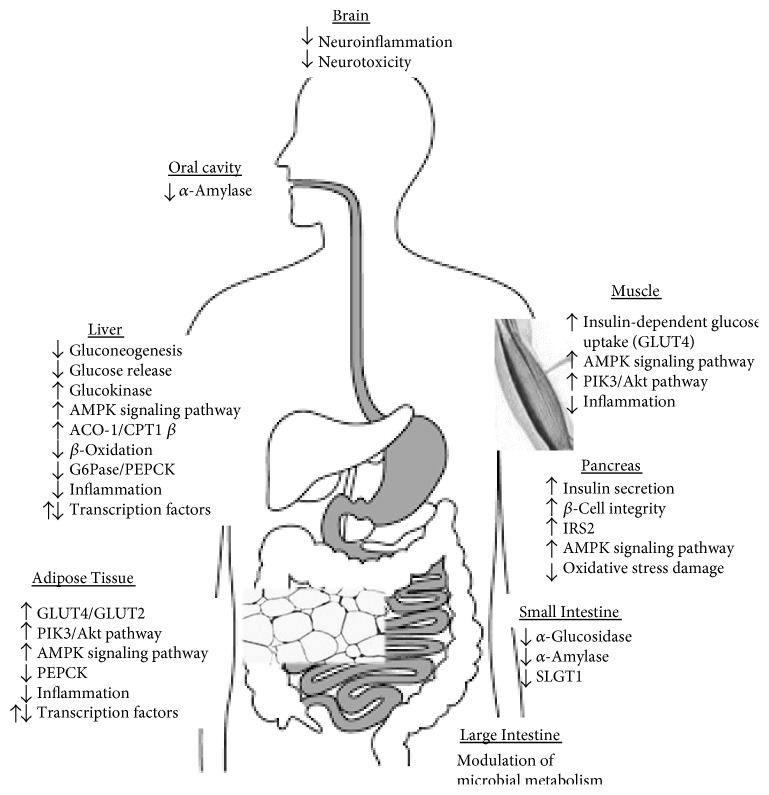
Dietary polyphenols come mainly from plant-based foods including fruits, vegetables, whole grains, coffee, tea, and nuts. Polyphenols may influence glycemia and type 2 diabetes (T2D) through different mechanisms, such as promoting the uptake of glucose in tissues, and therefore improving insulin sensitivity. This review aims to summarize the evidence from clinical trials and observational prospective studies linking dietary polyphenols to prediabetes and T2D, with a focus on polyphenol-rich foods characteristic of the Mediterranean diet. We aimed to describe the metabolic biomarkers related to polyphenol intake and genotype-polyphenol interactions modulating the effects on T2D. Intakes of polyphenols, especially flavan-3-ols, and their food sources have demonstrated beneficial effects on insulin resistance and other cardiometabolic risk factors. Several prospective studies have shown inverse associations between polyphenol intake and T2D. The Mediterranean diet and its key components, olive oil, nuts, and red wine, have been inversely associated with insulin resistance and T2D. To some extent, these associations may be attributed to the high amount of polyphenols and bioactive compounds in typical foods conforming this traditional dietary pattern. Few studies have suggested that genetic predisposition can modulate the relationship between polyphenols and T2D risk. In conclusion, the intake of polyphenols may be beneficial for both insulin resistance and T2D risk.
Figures
References
-
- International Diabetes Federation. IDF Diabetes Atlas. 7th. Brussels, Belgium: International Diabetes Federation; 2015. - PubMed
Publication types
MeSH terms
Substances
LinkOut - more resources
Full Text Sources
Other Literature Sources
Medical
Molecular Biology Databases
