


Replacing American Breakfast Foods with Ready-To-Eat (RTE) Cereals Increases Consumption of Key Food Groups and Nutrients among US Children and Adults: Results of an NHANES Modeling Study
- PMID: 28902145
- PMCID: PMC5622770
- DOI: 10.3390/nu9091010
Replacing American Breakfast Foods with Ready-To-Eat (RTE) Cereals Increases Consumption of Key Food Groups and Nutrients among US Children and Adults: Results of an NHANES Modeling Study
Abstract
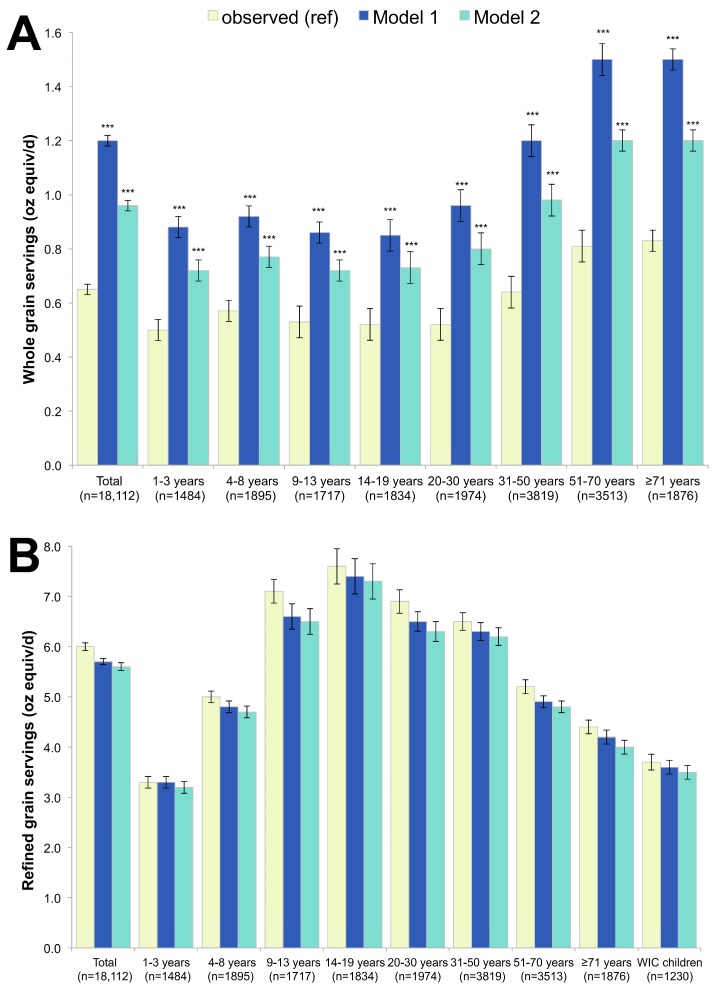
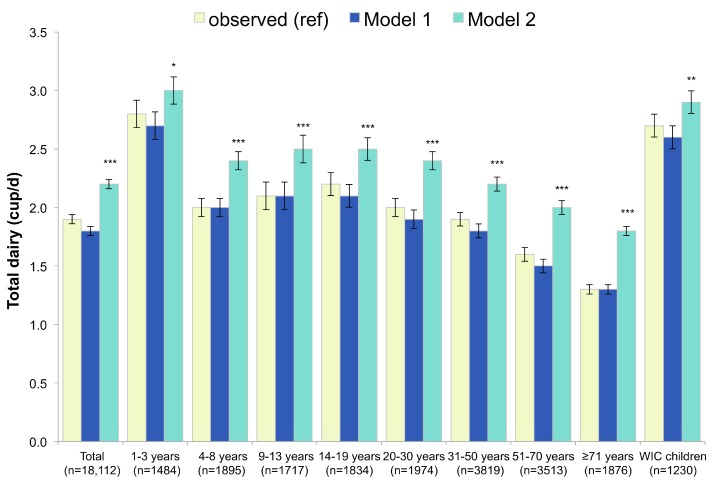
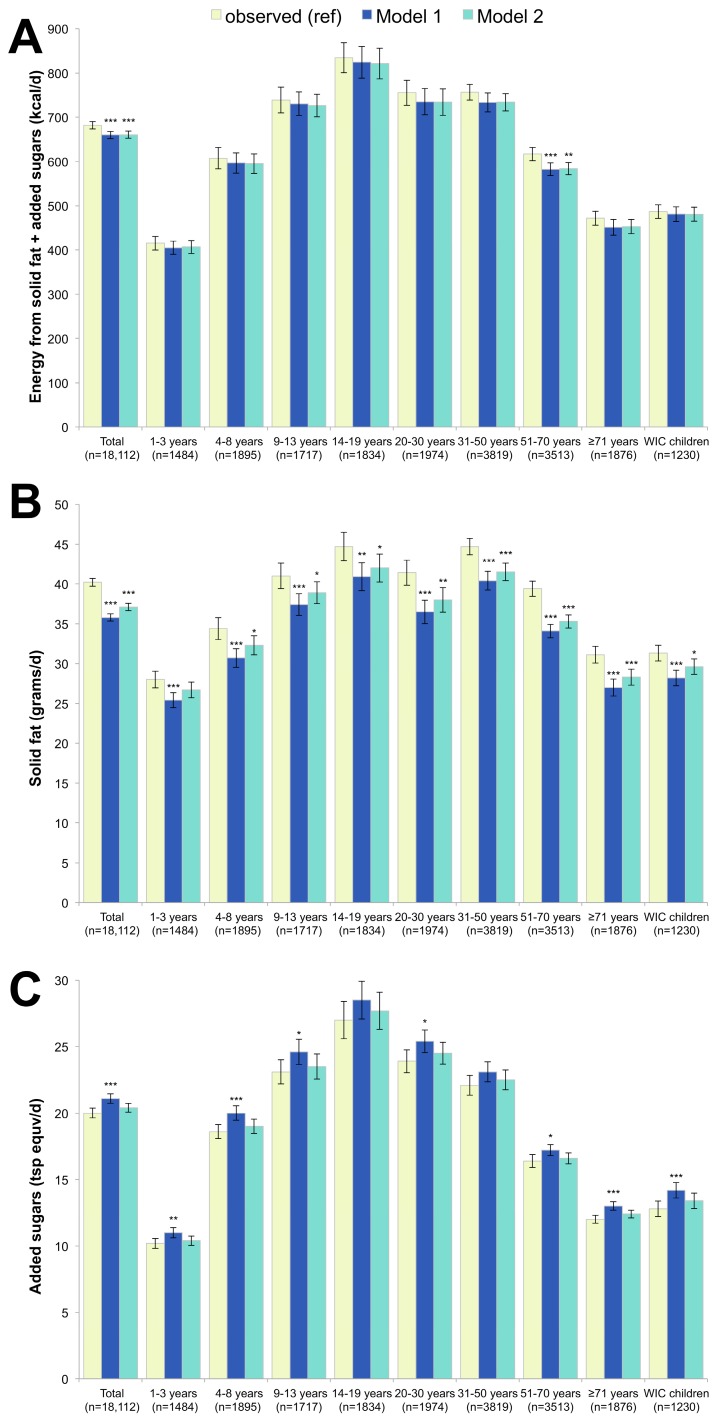
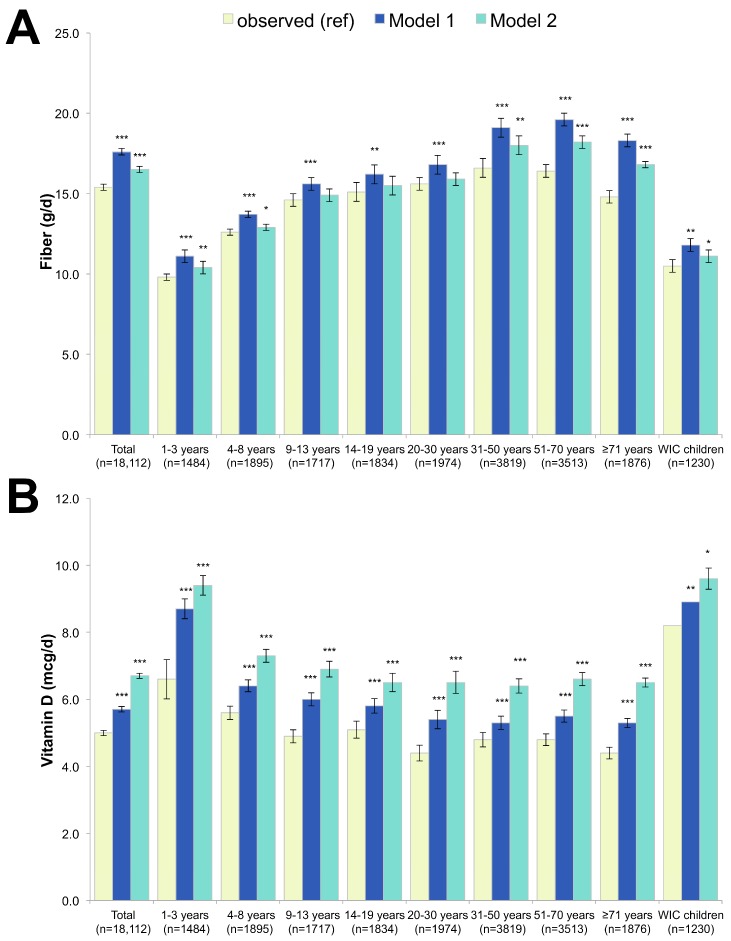
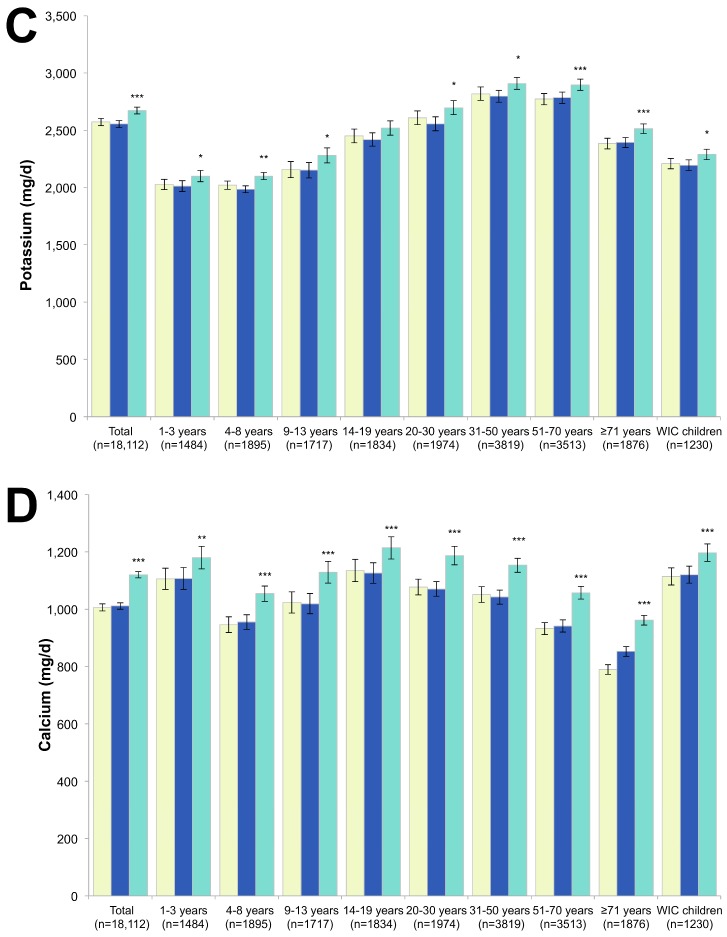
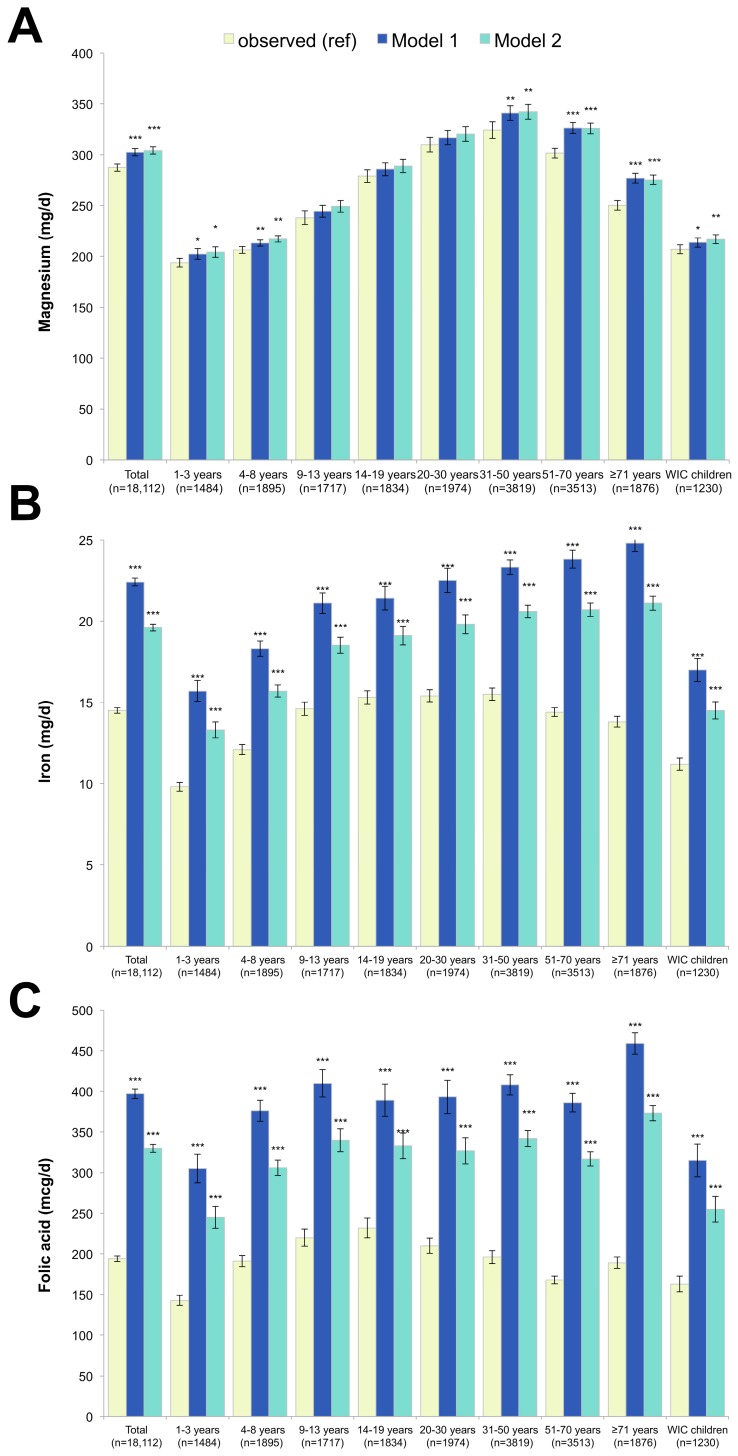
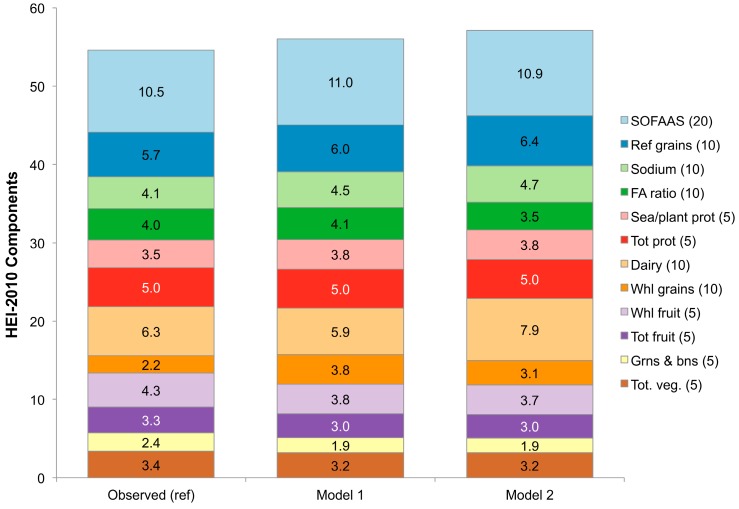
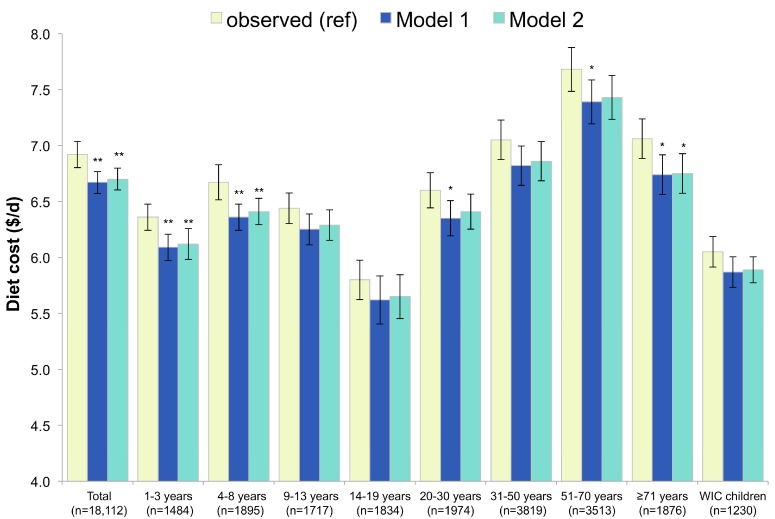
Replacing the typical American breakfast with ready-to-eat cereals (RTECs) may improve diet quality. Our goal was to assess the impact of RTECs on diet quality measures for different age groups, using substitution modeling. Dietary intakes came from the 2007-2010 National Health and Examination Surveys (NHANES; n = 18,112). All breakfast foods, excluding beverages, were replaced on a per calorie basis, with frequency-weighted and age/race specific RTECs. Model 1 replaced foods with RTECs alone; Model 2 replaced foods with RTECs and milk. Diet quality measures were based on desirable food groups and nutrients, Healthy Eating Index (HEI)-2010 scores, and estimated diet costs. Model 1 diets were significantly higher in whole grains (+84.6%), fiber (+14.3%), vitamin D (+14.0%), iron (+54.5%) and folic acid (+104.6%), as compared to observed diets. Model 2 diets were additionally higher in dairy (+15.8%), calcium (+11.3%) and potassium (+3.95%). In Model 1, added sugar increased (+5.0%), but solid fats declined (-10.9%). Energy from solid fats and added sugars declined (-3.2%) in both models. Model 2 offered higher diet quality (57.1 vs. 54.6, p-value < 0.01) at a lower cost ($6.70 vs. $6.92; p < 0.01), compared to observed diets. Substitution modeling of NHANES data can assess the nutritional and economic impact of dietary guidance.
Keywords: breakfast; diet cost; diet quality; modeling; nutrient density.
Conflict of interest statement
Funding for this research was provided to the University of Washington Center for Public Health Nutrition from the General Mills Bell Institute of Health and Nutrition. The funder approved the study proposal, but played no role in the data analysis, interpretation, or decision to submit this research for publication. Adam Drewnowski has received grants, contracts, honoraria, and consulting fees from numerous food and beverage companies and other commercial and nonprofit entities with interests in diet quality and health. The University of Washington has received grants, donations, and contracts from both the public and the private sector. Colin D. Rehm has no financial relationships relevant to this article to disclose.
Figures
References
-
- Oneil C.E., Nicklas T.A., Fulgoni V.L. Nutrient intake, diet quality, and weight/adiposity parameters in breakfast patterns compared with no breakfast in adults: National Health and Nutrition Examination Survey 2001–2008. J. Acad. Nutr. Diet. 2014;114:S27–S43. doi: 10.1016/j.jand.2014.08.021. - DOI - PubMed
-
- Deshmukh-Taskar P., Nicklas T.A., Radcliffe J.D., O’Neil C.E., Liu Y. The relationship of breakfast skipping and type of breakfast consumed with overweight/obesity, abdominal obesity, other cardiometabolic risk factors and the metabolic syndrome in young adults. The National Health and Nutrition Examination Survey (NHANES): 1999–2006. Public Health Nutr. 2013;16:2073–2082. doi: 10.1017/s1368980012004296. - DOI - PMC - PubMed
-
- Kant A.K., Andon M.B., Angelopoulos T.J., Rippe J.M. Association of breakfast energy density with diet quality and body mass index in American adults: National Health and Nutrition Examination Surveys, 1999–2004. Am. J. Clin. Nutr. 2008;88:1396–1404. - PubMed
MeSH terms
Substances
LinkOut - more resources
Full Text Sources
Other Literature Sources
