. 2017 Sep 21;549(7672):379-383.
doi: 10.1038/nature23897. Epub 2017 Sep 13.

The Apostasia genome and the evolution of orchids

Affiliations

The Apostasia genome and the evolution of orchids

Guo-Qiang Zhang et al. Nature. .

Erratum in

  • Author Correction: The Apostasia genome and the evolution of orchids.
    Zhang GQ, Liu KW, Li Z, Lohaus R, Hsiao YY, Niu SC, Wang JY, Lin YC, Xu Q, Chen LJ, Yoshida K, Fujiwara S, Wang ZW, Zhang YQ, Mitsuda N, Wang M, Liu GH, Pecoraro L, Huang HX, Xiao XJ, Lin M, Wu XY, Wu WL, Chen YY, Chang SB, Sakamoto S, Ohme-Takagi M, Yagi M, Zeng SJ, Shen CY, Yeh CM, Luo YB, Tsai WC, Van de Peer Y, Liu ZJ. Zhang GQ, et al. Nature. 2020 Jul;583(7818):E30. doi: 10.1038/s41586-020-2524-1. Nature. 2020. PMID: 32681116 Free PMC article.

Abstract

Constituting approximately 10% of flowering plant species, orchids (Orchidaceae) display unique flower morphologies, possess an extraordinary diversity in lifestyle, and have successfully colonized almost every habitat on Earth. Here we report the draft genome sequence of Apostasia shenzhenica, a representative of one of two genera that form a sister lineage to the rest of the Orchidaceae, providing a reference for inferring the genome content and structure of the most recent common ancestor of all extant orchids and improving our understanding of their origins and evolution. In addition, we present transcriptome data for representatives of Vanilloideae, Cypripedioideae and Orchidoideae, and novel third-generation genome data for two species of Epidendroideae, covering all five orchid subfamilies. A. shenzhenica shows clear evidence of a whole-genome duplication, which is shared by all orchids and occurred shortly before their divergence. Comparisons between A. shenzhenica and other orchids and angiosperms also permitted the reconstruction of an ancestral orchid gene toolkit. We identify new gene families, gene family expansions and contractions, and changes within MADS-box gene classes, which control a diverse suite of developmental processes, during orchid evolution. This study sheds new light on the genetic mechanisms underpinning key orchid innovations, including the development of the labellum and gynostemium, pollinia, and seeds without endosperm, as well as the evolution of epiphytism; reveals relationships between the Orchidaceae subfamilies; and helps clarify the evolutionary history of orchids within the angiosperms.


Conflict of interest statement

The authors declare no competing financial interests.

Figures
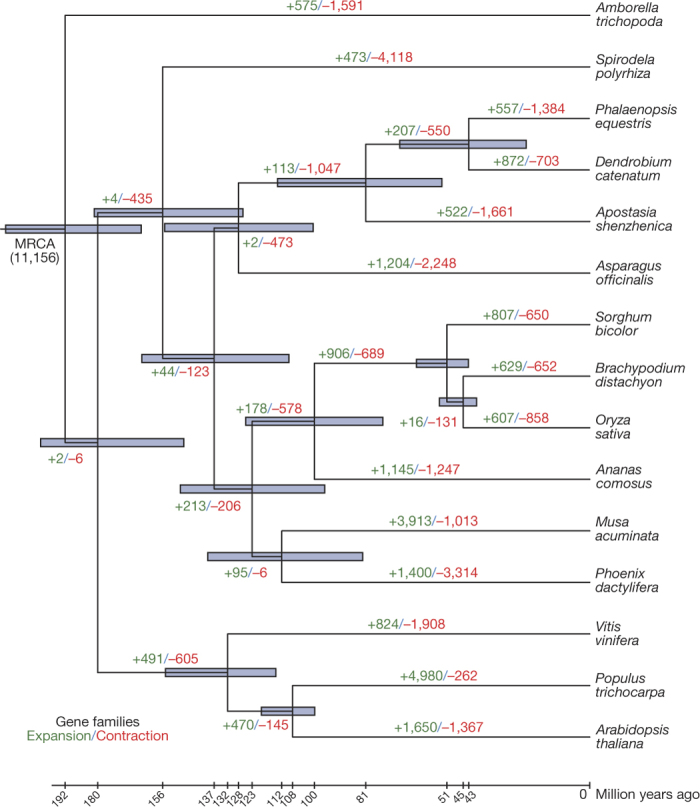
Figure 1
Figure 1. Phylogenetic tree showing divergence times and the evolution of gene family sizes.
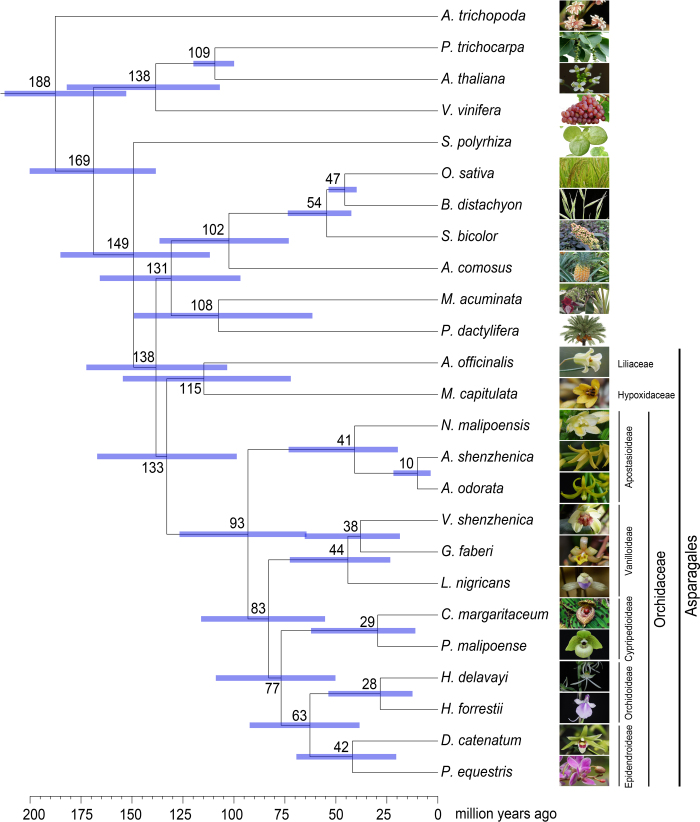
The phylogenetic tree shows the topology and divergence times for 15 plant species. As expected, as a member of the Apostasioideae, A. shenzhenica is sister to all other orchids. In general, the estimated orchid divergence times are in good agreement with recent broad scale orchid phylogenies,. Divergence times are indicated by light blue bars at the internodes; the range of these bars indicates the 95% confidence interval of the divergence time. Numbers at branches indicate the expansion and contraction of gene families (see Methods and Extended Data Fig. 2). MRCA, most recent common ancestor. The number in parentheses is the number of gene families in the MRCA as estimated by CAFÉ. PowerPoint slide
Figure 2
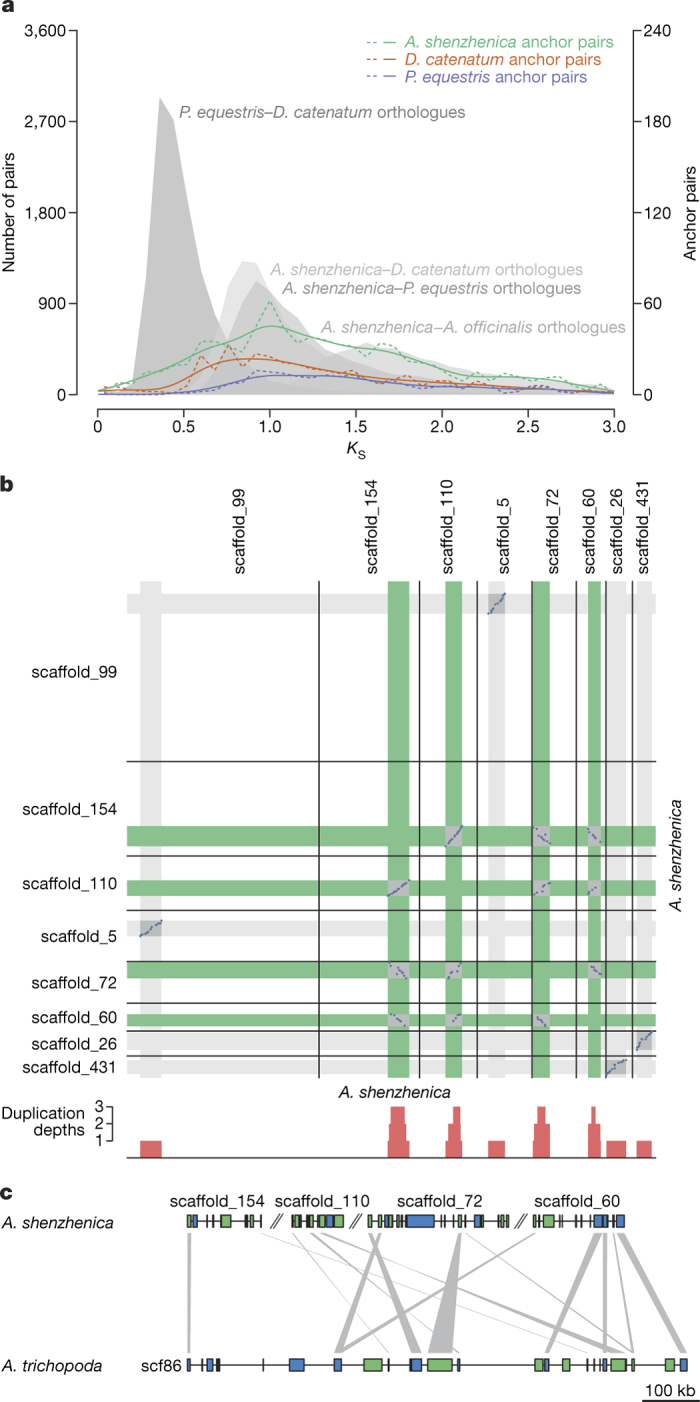
Figure 2. KS and co-linearity analysis of the A. shenzhenica WGD.
a, Distribution of KS for the one-to-one P. equestrisD. catenatum, A. shenzhenicaD. catenatum, A. shenzhenicaP. equestris and A. shenzhenicaA. officinalis orthologues (filled grey curves and left-hand y-axis). Distribution of KS for duplicated anchors found in co-linear regions of A. shenzhenica (green lines), D. catenatum (red lines) and P. equestris (blue lines). The filled grey curves and dashed coloured lines are actual data points from the distributions; the solid coloured lines are kernel density estimates (KDE) of the anchor-pair (duplicated genes found in co-linear regions) data scaled to match the corresponding dashed lines. All anchor-pair data are scaled up ×15 (right-hand y-axis) compared to the orthologue data. b, Syntenic dot plot of the self-comparison of A. shenzhenica. Only co-linear segments with at least 15 anchor pairs are shown. The sections on each scaffold with co-linear segments are shown in grey. The red bars below the dot plot illustrate the duplication depths (the number of connected co-linear segments overlapping at each position; see Methods). The co-linear regions in green indicate the four co-linear segments that have a common orthologous co-linear segment in A. trichopoda as shown in (c). c, Co-linear alignment of A. shenzhenica and A. trichopoda. The colours of genes in the alignment indicate gene orientation, with blue for forward strands and green for reverse strands. The grey links connect orthologues between A. shenzhenica and A. trichopoda. Scf86, scaffold00086 of the A. trichopoda genome (v1.0). PowerPoint slide
Figure 3
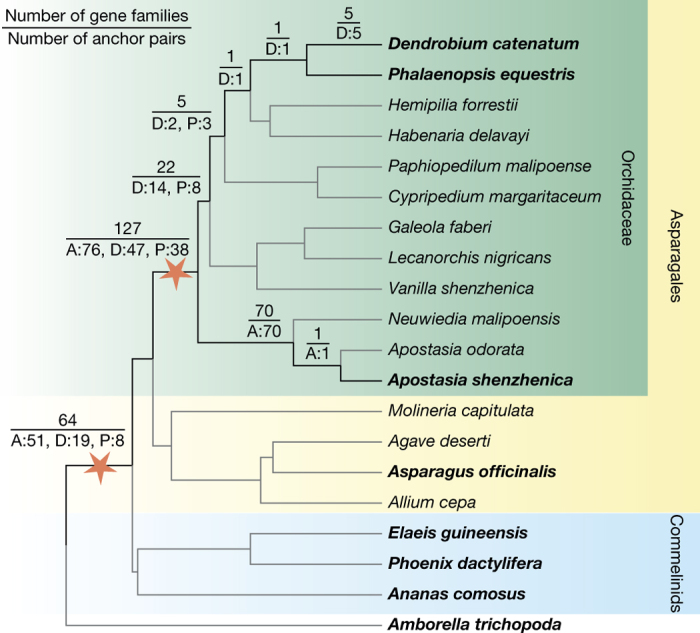
Figure 3. Phylogenomic analysis of orchid WGD events.
The numbers on the branches of the species tree indicate the number of gene families with one or more anchor pairs from at least one of the three orchids with genomes that coalesced on the respective branch (top), as well as the individual contributions of anchor pairs from the three orchids (bottom; A, A. shenzhenica; D, D. catenatum; P, P. equestris). The two WGD events identified are depicted by stars. Species with published genomes are in bold. All the duplication events have bootstrap values over 80% (see Methods; for results for bootstrap values over 50% see Supplementary Fig. 15). PowerPoint slide
Figure 4
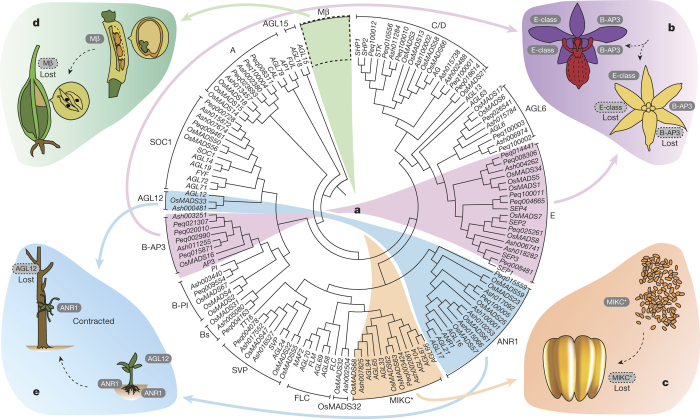
Figure 4. MADS-box genes involved in orchid morphological evolution.
a, Phylogenetic analysis of MADS-box genes among A. shenzhenica, P. equestris, O. sativa and Arabidopsis. The B-AP3 and E-class, MIKC*, Mβ, and AGL12 and ANR1 subclades are marked by purple, orange, green and blue shading, respectively. b, A. shenzhenica, with fewer B-AP3 class and E class MADS-box genes, keeps an undifferentiated labellum and partially fused gynostemium, while P. equestris, with more B-AP3 class and E class MADS-box genes, develops the specialized labellum and column (in red). c, Loss of the P-subclade genes of MIKC* in P. equestris is likely to be related to the evolution of pollinia. d, The failed development of endosperm in orchids might be related to the missing type I Mβ MADS-box genes (Extended Data Fig. 9). e, A. shenzhenica, containing the AGL12 gene and expanded ANR1 genes, is a terrestrial orchid, while epiphytic orchids, such as P. equestris, have lost the AGL12 gene and some ANR1 genes. PowerPoint slide
Extended Data Figure 1
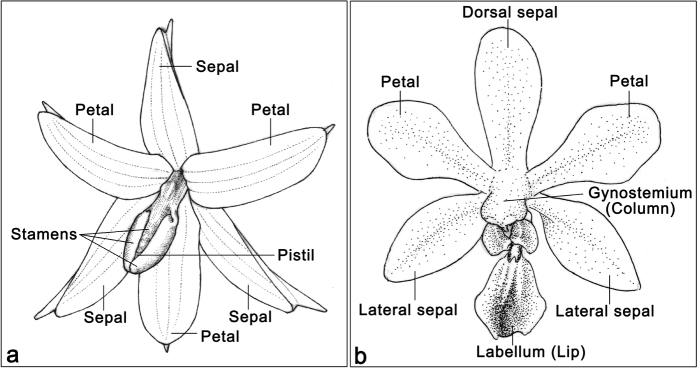
Extended Data Figure 1. The morphology of orchid flowers.
a, Illustration of an Apostasia flower. b, Illustration of a Phalaenopsis flower.
Extended Data Figure 2
Extended Data Figure 2. Phylogenetic tree showing the topology and divergence times for 15 genomes (A. trichopoda, P. trichocarpa, A. thaliana, V. vinifera, Spirodela polyrhiza, O. sativa, Brachypodium distachyon, Sorghum bicolor, A. comosus, Musa acuminata, Phoenix dactylifera, A. officinalis, A. shenzhenica, P. equestris and D. catenatum) and 10 transcriptomes (Apostasia odorata, Cypripedium margaritaceum, Galeola faberi, Habenaria delavayi, Hemipilia forrestii, Lecanorchis nigricans, M. capitulata, Neuwiedia malipoensis, Paphiopedilum malipoense, Vanilla shenzhenica).
The unigenes of the transcriptomes of the 10 ‘transcriptome’ species were aligned to the 439 single-copy gene families of the 15 ‘genome’ species. One hundred and thirty-two single-copy gene families for the 25 species could be identified, and were used to construct a phylogenetic tree based on the PhyML software with the GTR+Γ model, while divergence times (indicated by light blue bars at the internodes) were predicted by MCMCTREE. The range of the bars indicates the 95% confidence interval of the divergence times.
Extended Data Figure 3
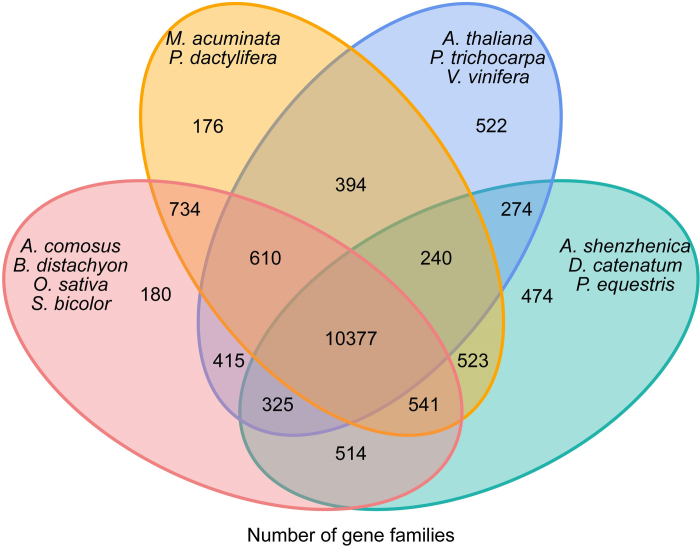
Extended Data Figure 3. Venn diagram showing unique and shared gene families among members of Orchidaceae, dicots, and Poaceae, and M. acuminata and P. dactylifera.
Numbers represent the number of gene families. Comparison of the 4 groups revealed 474 gene families unique to Orchidaceae and which exist in all 3 Orchidaceae species. If we consider lineage-specific gene families for each group (that is, gene families present in one or a few but not all species in a group), then there are 4,958 unique gene families for Orchidaceae, 7,503 for Poales, 4,494 for the dicots, and 1,560 for the group of M. acuminata and P. dactylifera.
Extended Data Figure 4
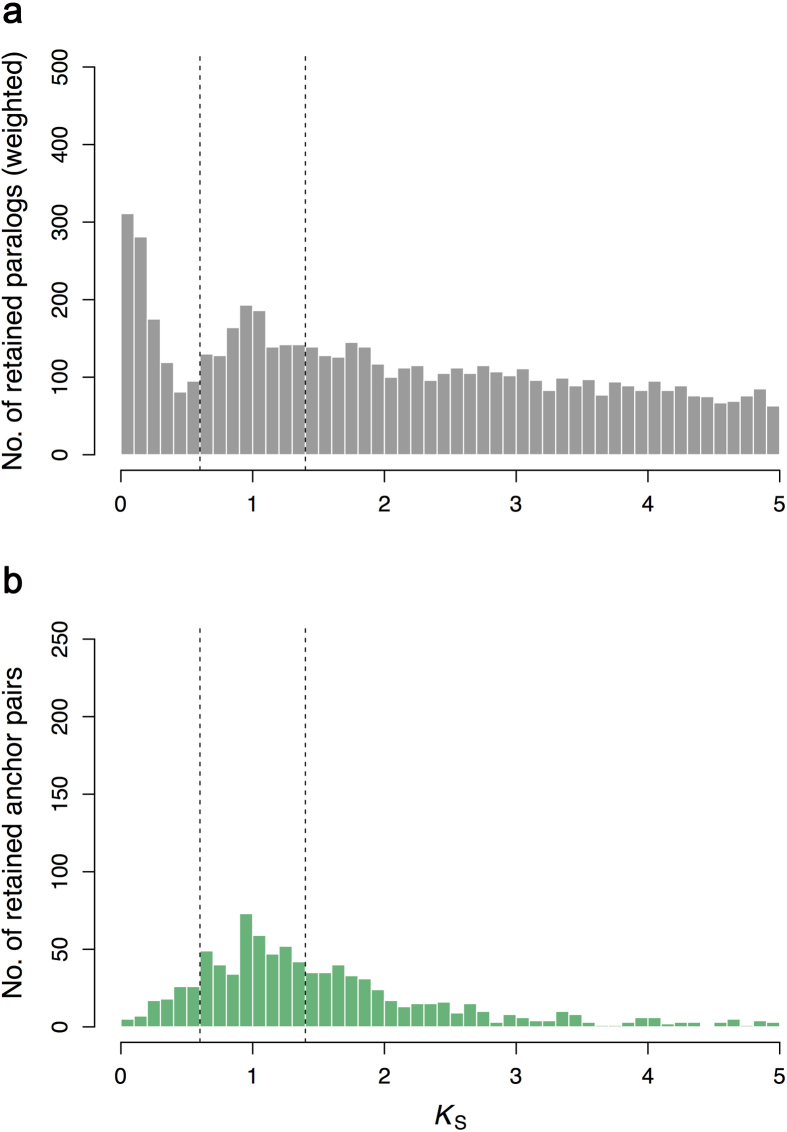
Extended Data Figure 4. A. shenzhenica KS-based age distributions.
a, Distribution of KS for the whole A. shenzhenica paranome. b, Distribution of KS for duplicated anchors found in co-linear regions as identified by i-ADHoRe. A WGD event is identified in both distributions with its peak centred on a KS value of 1. The dashed lines indicate the KS boundaries used to extract duplicate pairs for absolute phylogenomic dating of the WGD event (see Methods and Extended Data Fig. 5).
Extended Data Figure 5
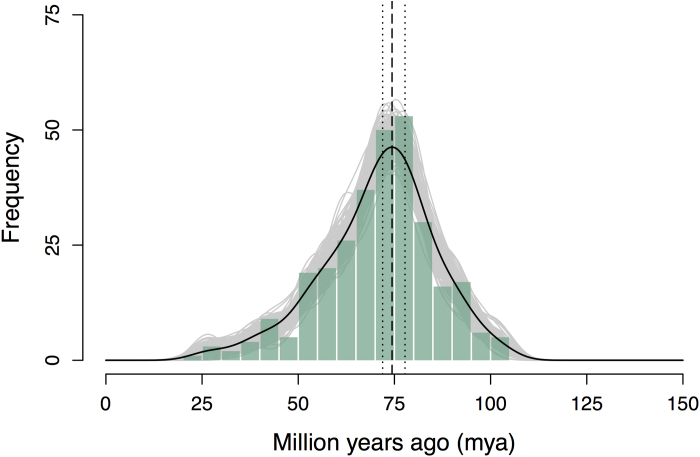
Extended Data Figure 5. Absolute age of the A. shenzhenica WGD event.
Absolute age distribution obtained by phylogenomic dating of A. shenzhenica paralogues. The solid black line represents the KDE of the dated paralogues, and the vertical dashed black line represents its peak at 74 Ma, which was used as the consensus WGD age estimate. The grey lines represent density estimates from 2,500 bootstrap replicates and the vertical black dotted lines represent the corresponding 90% confidence interval for the WGD age estimate, 72–78 Ma (see Methods). The histogram shows the raw distribution of dated paralogues.
Extended Data Figure 6
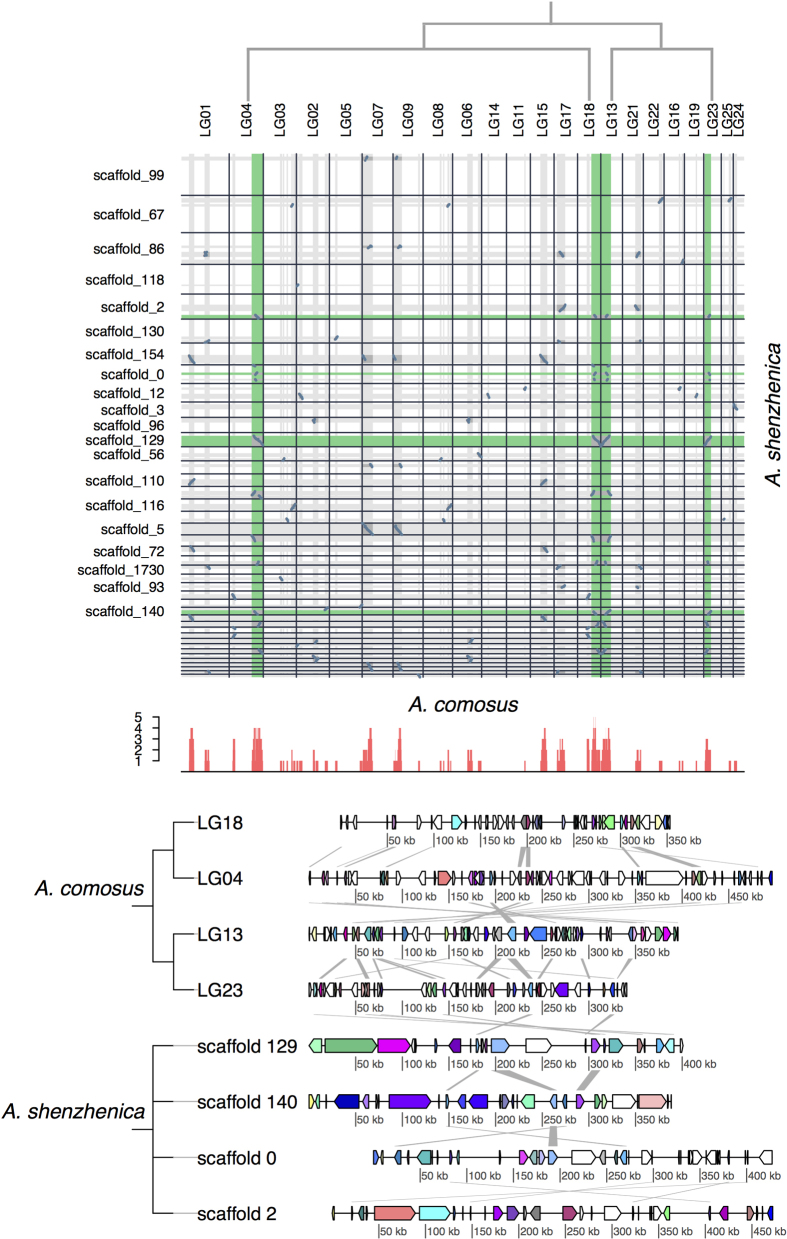
Extended Data Figure 6. Co-linearity and synteny between A. shenzhenica and A. comosus.
Only co-linear segments with at least 20 anchor pairs are shown. The sections on each scaffold with co-linear segments between A. shenzhenica and A. comosus are shown in grey. The red bars below the dot plot illustrate the duplication depths (the number of connected co-linear segments overlapping at each scaffold/chromosomal position; see Methods). Only connected co-linear segments with at least ten anchor pairs were used to calculate the duplication depths. The co-linear regions in green highlight the four co-linear segments in A. shenzhenica that correspond to a specific set of four co-linear segments in A. comosus, which originated from one of the seven ancestral pre-τ-WGD chromosomes in monocots (known as Anc6). The phylogenetic tree above the dot plot indicates how Anc6 evolved into (segments of) the current four chromosomes in A. comosus (the pair of paired LG18 and LG04, and LG13 and LG23; see Figure 2 in Ming et al.) through two rounds of WGDs. Names of very small A. shenzhenica scaffolds are omitted for clarity. A part of the alignment of the co-linear segments between A. shenzhenica and A. comosus is shown below. The colours of genes in the alignment indicate anchor pairs with genes of the same colour being homologous. The grey links connect anchor pairs between the two closest segments.
Extended Data Figure 7
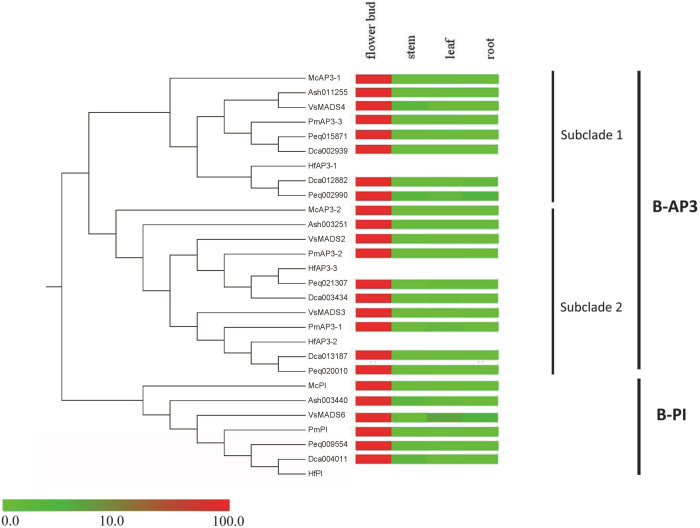
Extended Data Figure 7. Phylogenetic and expression analysis of orchid B-AP3 genes.
Ash, A. shenzhenica; Dca, D. catenatum; Hf, H. forrestii; Mc, M. capitulata; Peq, P. equestris; Pm, P. malipoense; Vs, V. shenzhenica. Expressions of B-class genes derived from H. forrestii are not shown, because only a flower sample was collected from H. forrestii. The expression levels (FPKM value) are represented by the colour bar.
Extended Data Figure 8
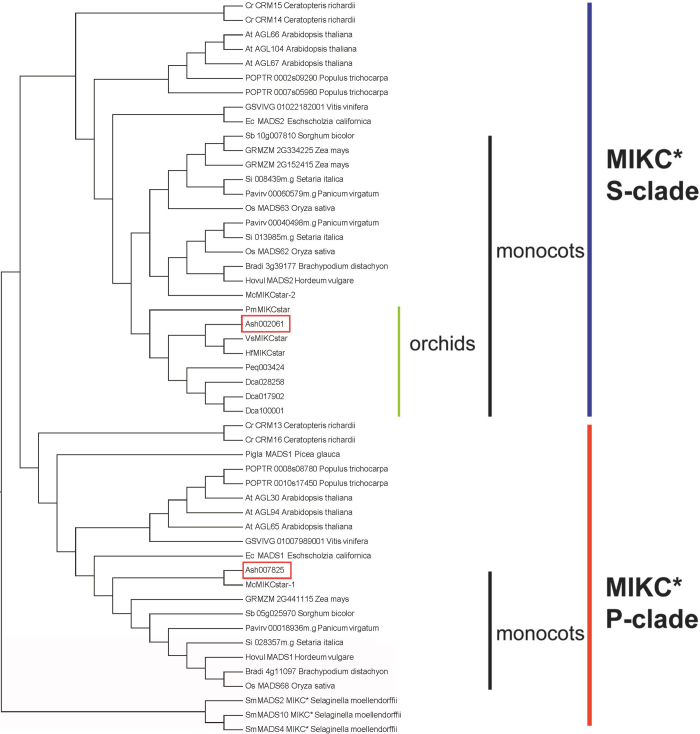
Extended Data Figure 8. Phylogenetic tree of MIKC*-type genes.
The red boxes indicate MADS-box genes from A. shenzhenica. Ash, A. shenzhenica; Dca, D. catenatum; Hf, H. forrestii; Mc, M. capitulata; Peq, P. equestris; Pm, P. malipoense; Vs, V. shenzhenica. MIKC* sequences of the other species were retrieved from GenBank based on Liu et al..
Extended Data Figure 9
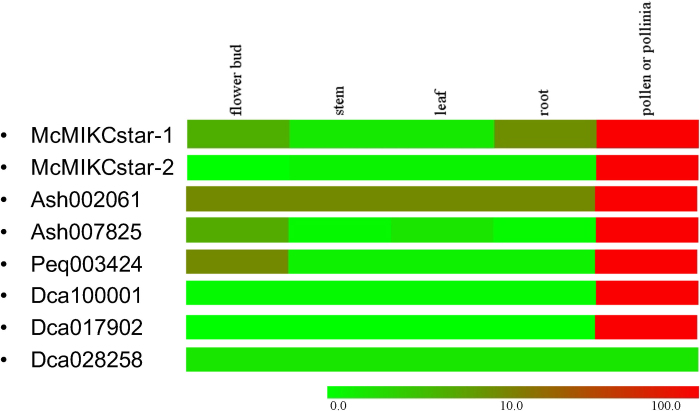
Extended Data Figure 9. Expression patterns of MIKC* MADS-box genes.
Ash, A. shenzhenica; Dca, D. catenatum; Mc, M. capitulata; Peq, P. equestris. The expression levels (FPKM value) are represented by the colour bar.
Extended Data Figure 10
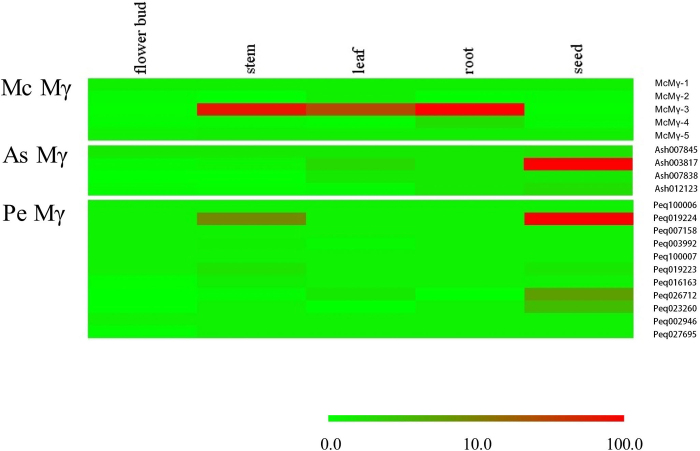
Extended Data Figure 10. Expression of type I Mγ MADS-box genes in M. capitulata, A. shenzhenica and P. equestris.
As, A. shenzhenica; Mc, M. capitulata; Pe, P. equestris. The expression levels (FPKM value) are represented by the colour bar.

References

    1. Roberts DL, Dixon KW. Orchids. Curr. Biol. 2008;18:R325–R329. - PubMed
    1. Givnish TJ, et al. Orchid phylogenomics and multiple drivers of their extraordinary diversification. Proc. R. Soc. B. 2015;282:1553. - PMC - PubMed
    1. Givnish TJ, et al. Orchid historical biogeography, diversification, Antarctica and the paradox of orchid dispersal. J. Biogeogr. 2016;43:1905–1916.
    1. Chen LJ, Liu ZJ. Apostasia shenzhenica: a new species of Apostasioideae (Orchidaceae) from China. Plant Science Journal. 2011;29:38–41.
    1. Kocyan A, Qiu Y-L, Endress PK, Conti E. A phylogenetic analysis of Apostasioideae (Orchidaceae) based on ITS, trnL-F and matK sequences. Plant Syst. Evol. 2004;247:203–213.

Publication types

LinkOut - more resources