


Agonist immunotherapy restores T cell function following MEK inhibition improving efficacy in breast cancer
- PMID: 28928458
- PMCID: PMC5605577
- DOI: 10.1038/s41467-017-00728-9
Agonist immunotherapy restores T cell function following MEK inhibition improving efficacy in breast cancer
Abstract
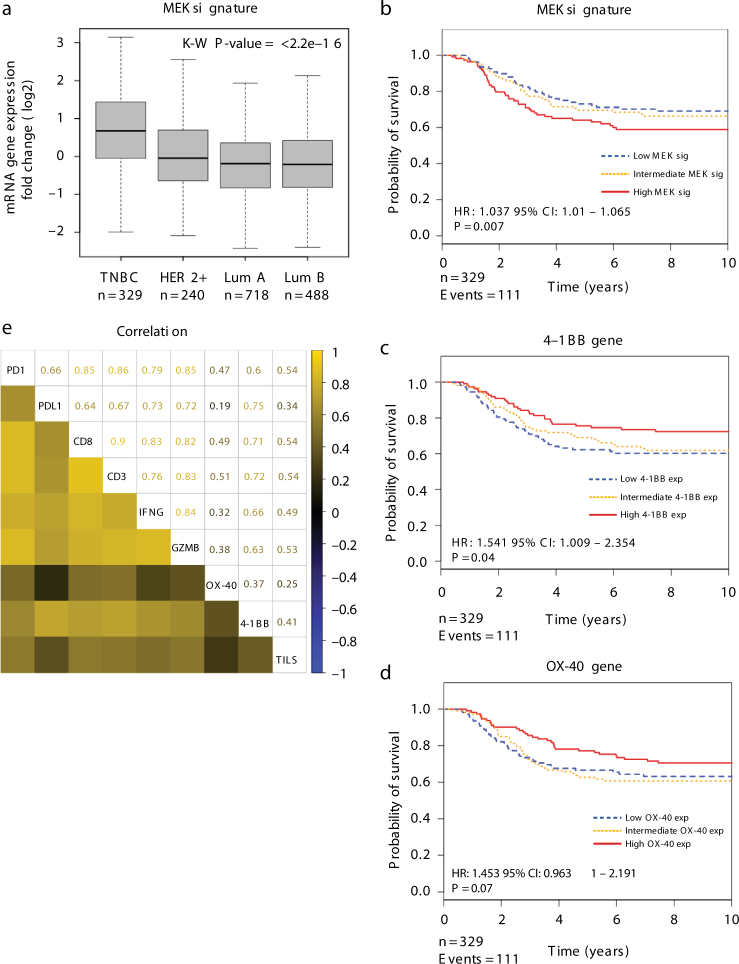
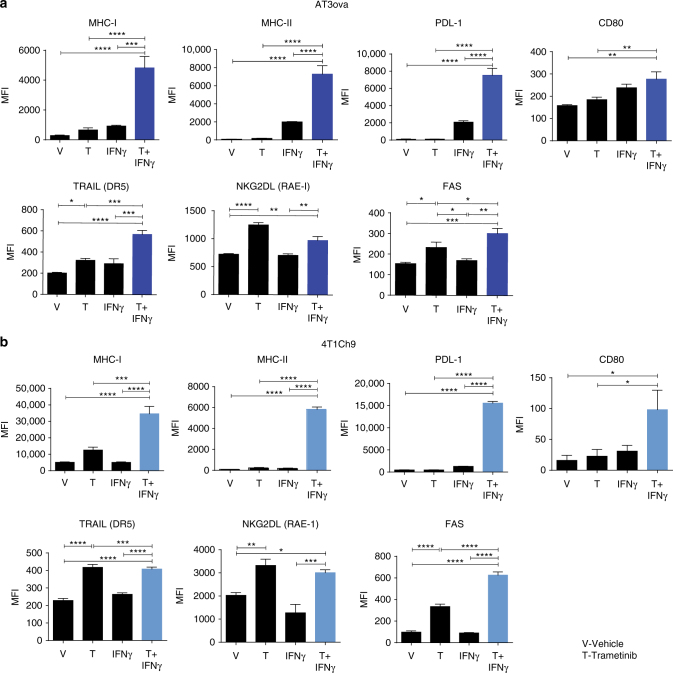
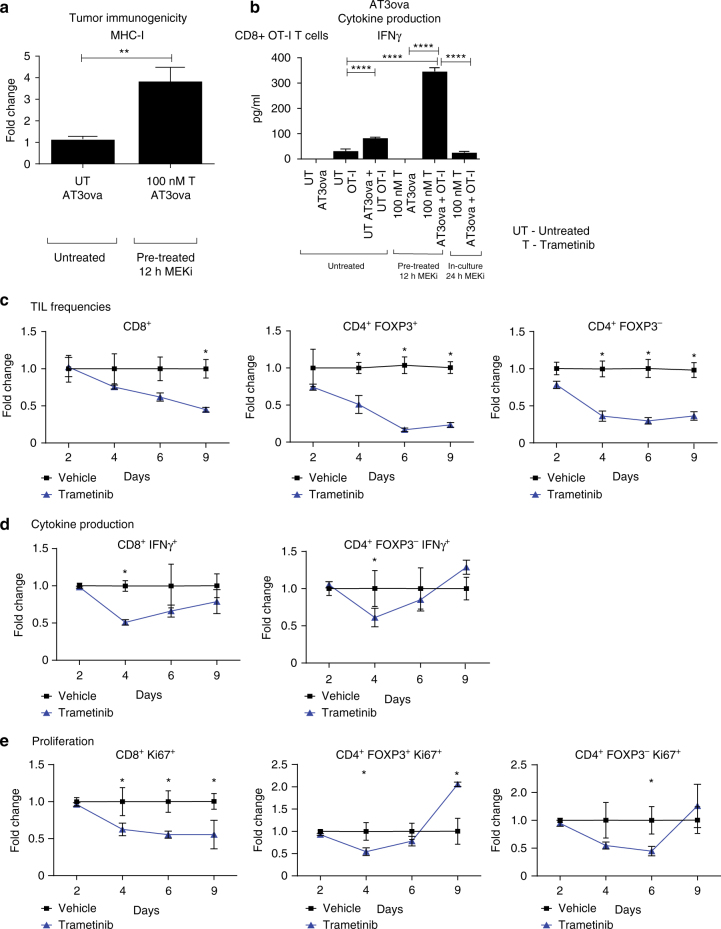
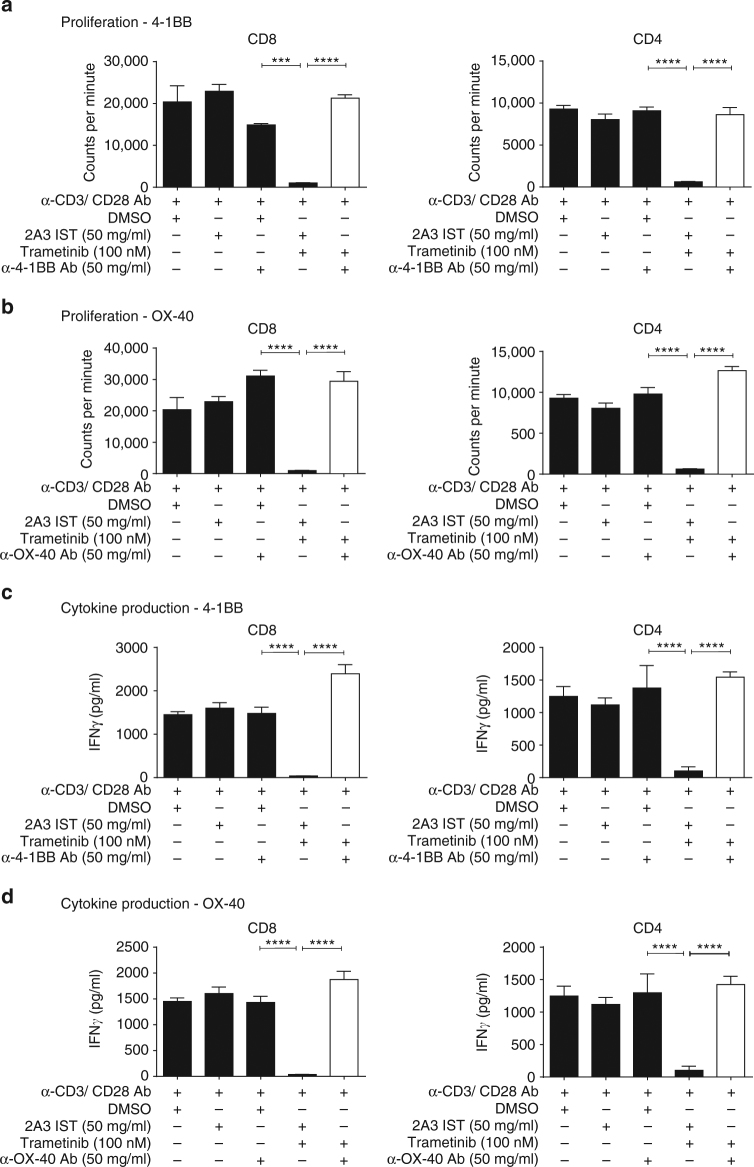
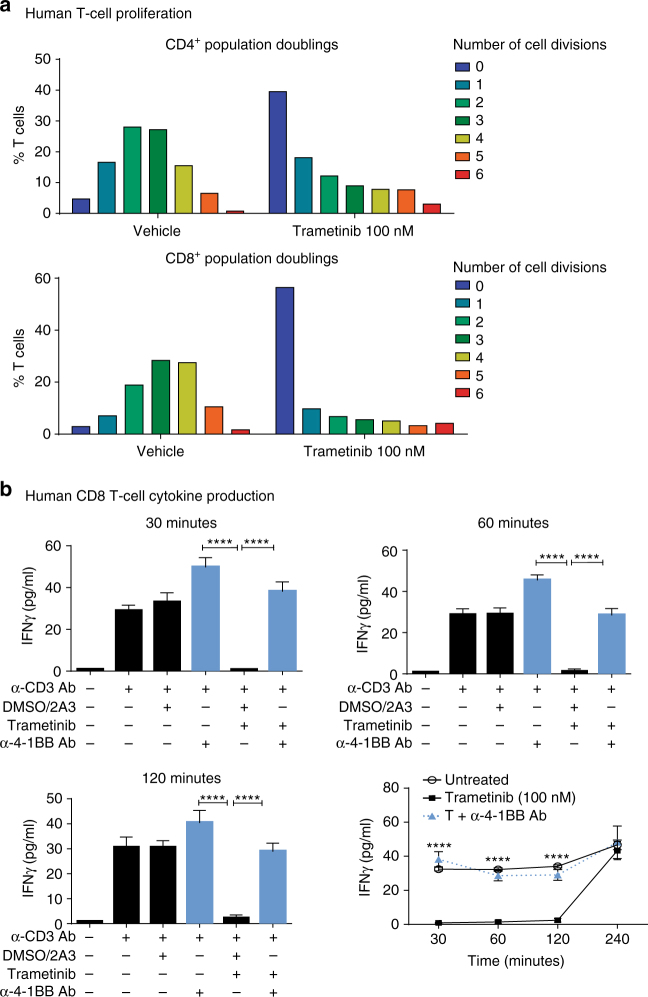
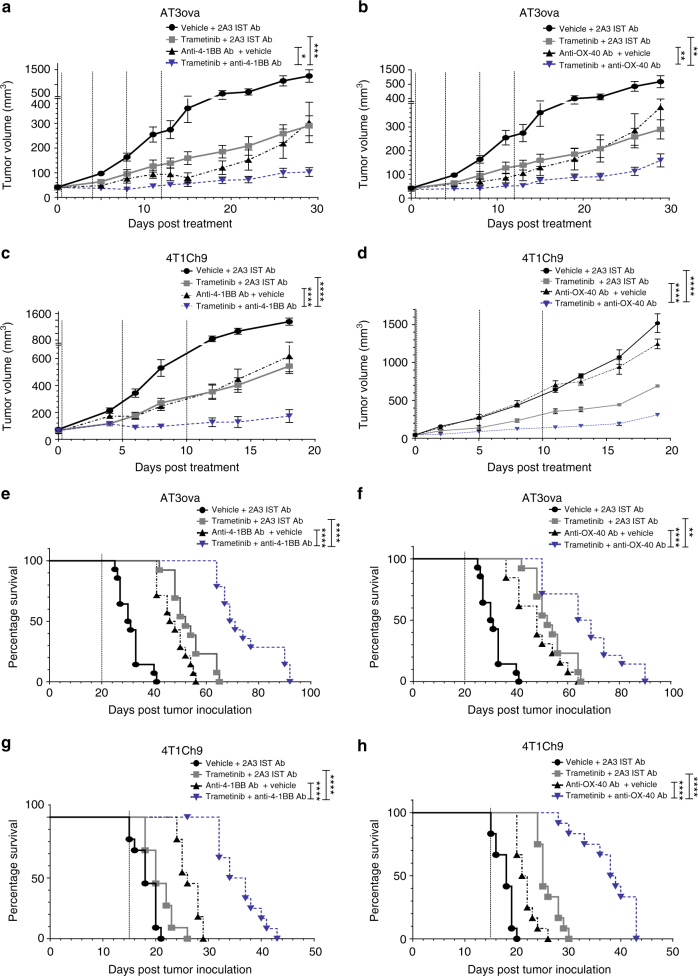
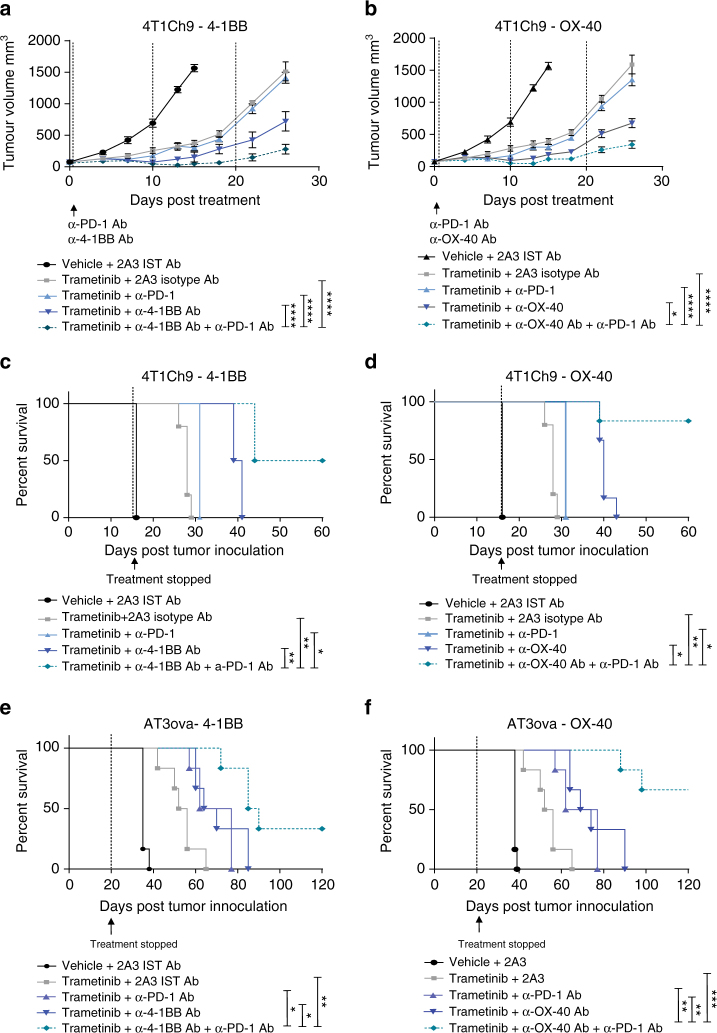
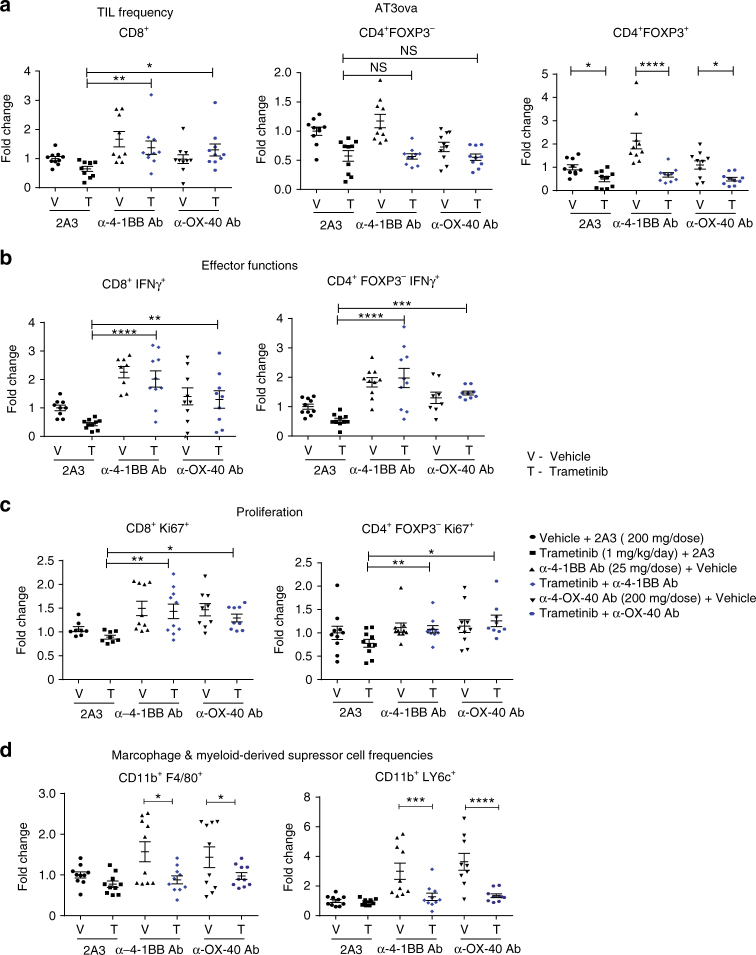
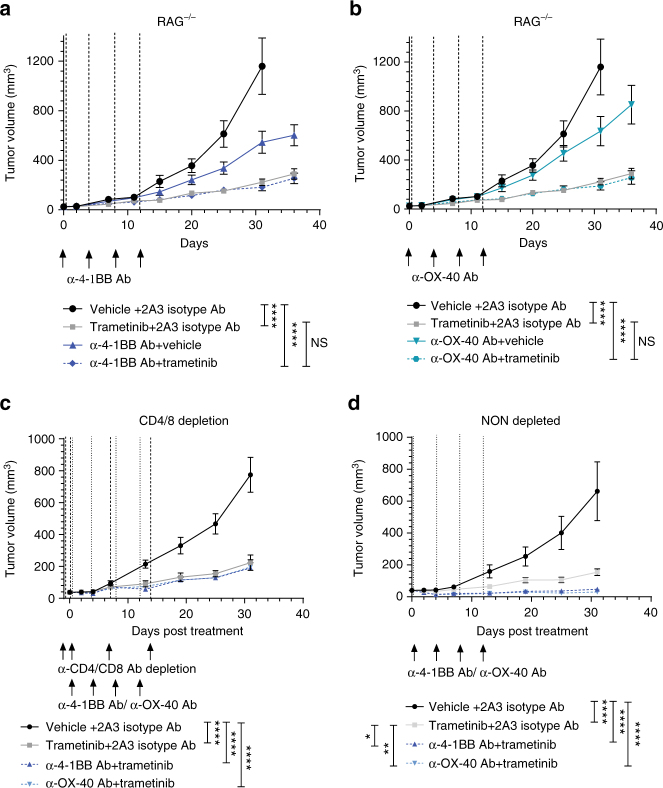
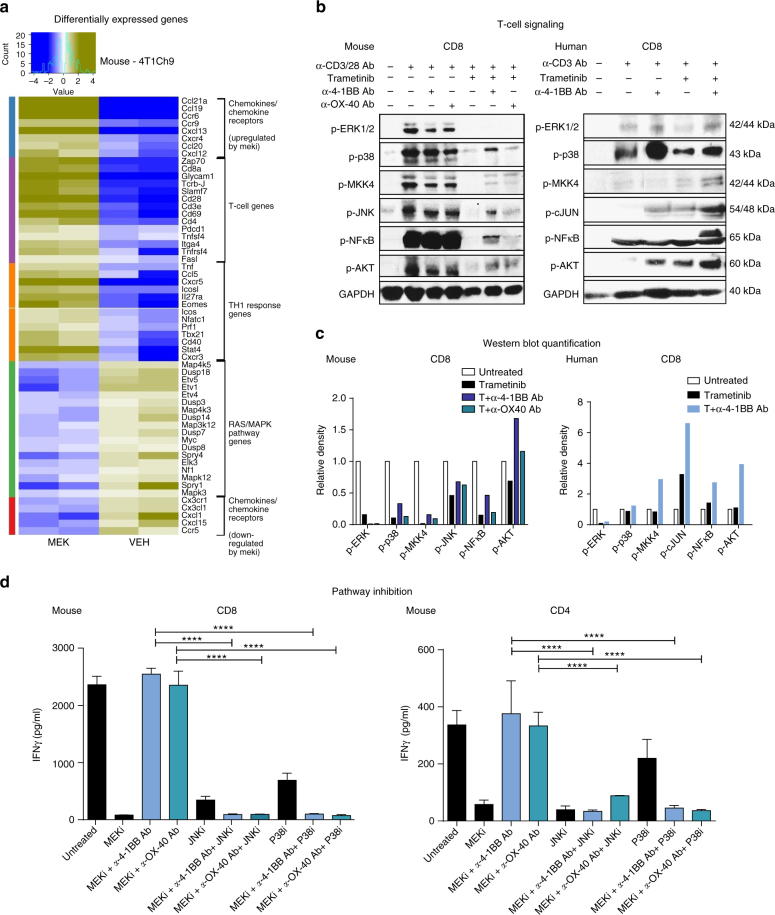
The presence of tumor-infiltrating lymphocytes in triple-negative breast cancers is correlated with improved outcomes. Ras/MAPK pathway activation is associated with significantly lower levels of tumor-infiltrating lymphocytes in triple-negative breast cancers and while MEK inhibition can promote recruitment of tumor-infiltrating lymphocytes to the tumor, here we show that MEK inhibition adversely affects early onset T-cell effector function. We show that α-4-1BB and α-OX-40 T-cell agonist antibodies can rescue the adverse effects of MEK inhibition on T cells in both mouse and human T cells, which results in augmented anti-tumor effects in vivo. This effect is dependent upon increased downstream p38/JNK pathway activation. Taken together, our data suggest that although Ras/MAPK pathway inhibition can increase tumor immunogenicity, the negative impact on T-cell activity is functionally important. This undesirable impact is effectively prevented by combination with T-cell immune agonist immunotherapies resulting in superior therapeutic efficacy.MEK inhibition in breast cancer is associated with increased tumour infiltrating lymphocytes (TILs), however, MAPK activity is required for T cells function. Here the authors show that TILs activity following MEK inhibition can be enhanced by agonist immunotherapy resulting in synergic therapeutic effects.
Conflict of interest statement
S.L.’s lab receives research funding from Novartis. The remaining authors declare no competing interests.
Figures
References
Publication types
MeSH terms
Substances
LinkOut - more resources
Full Text Sources
Other Literature Sources
Molecular Biology Databases
Research Materials
