


Male Infertility: The Effect of Natural Antioxidants and Phytocompounds on Seminal Oxidative Stress
- PMID: 28933362
- PMCID: PMC5456340
- DOI: 10.3390/diseases5010009
Male Infertility: The Effect of Natural Antioxidants and Phytocompounds on Seminal Oxidative Stress
Abstract
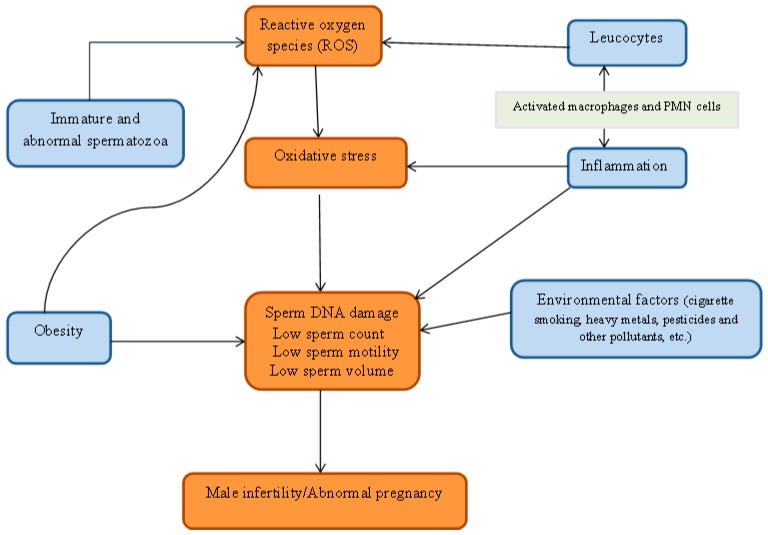
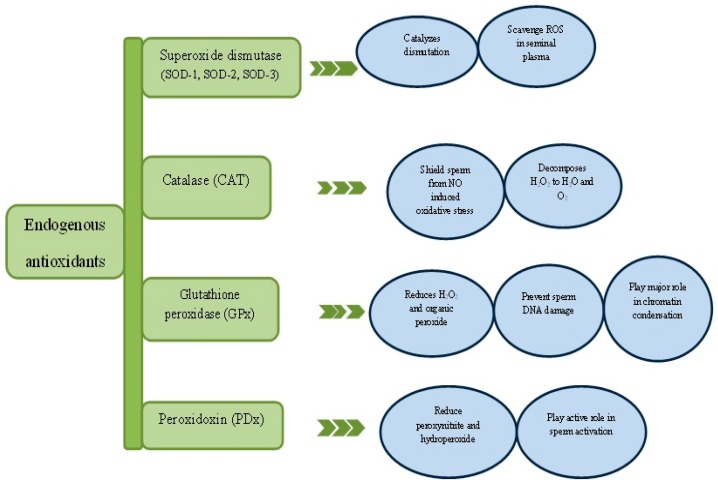
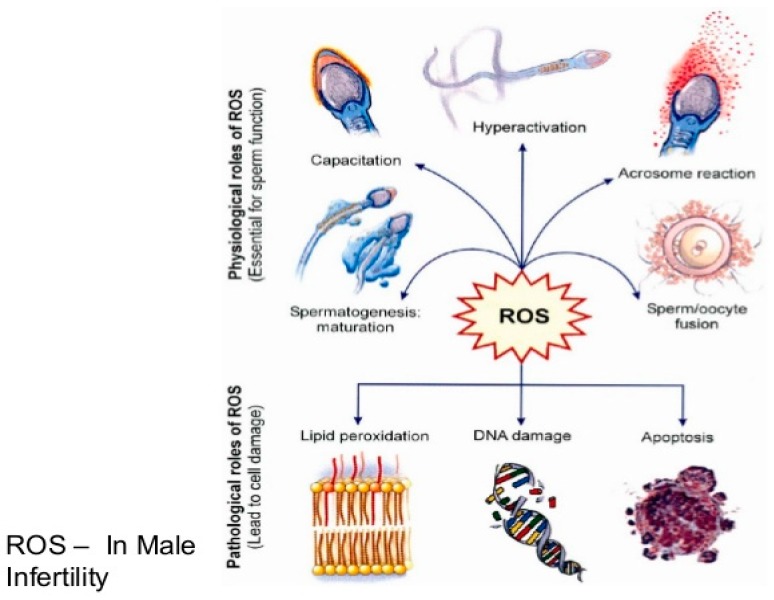
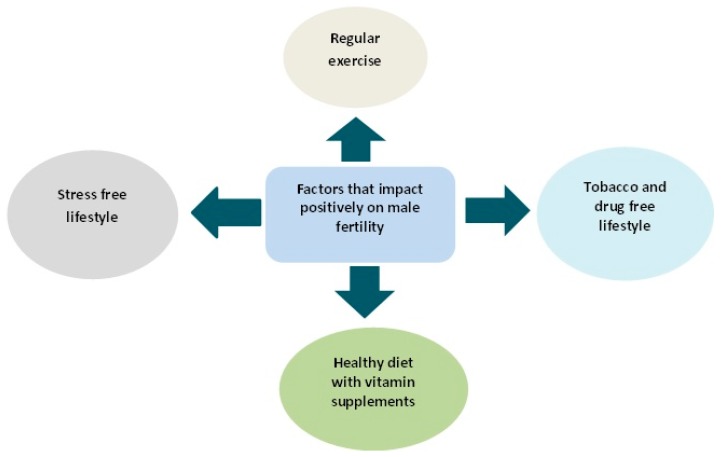
Defective sperm function has been identified as the most common cause of infertility. The objective of this study was to review recent findings on the effects of various antioxidants on male fertility. High amounts of poly unsaturated fatty acid are found in the mammalian spermatozoa membranes, thereby making them susceptible to lipid peroxidation. Although, free radicals and reactive oxygen species (ROS) play major roles in reproduction, they are strongly associated with oxidative stress. Furthermore, factors such as obesity, inflammation, pollutants and cigarette smoking are negatively correlated with spermatogenesis. Endogenous antioxidants system exists to mediate these damages. In a normal physiological state, the seminal plasma contains antioxidant enzyme mechanism that is capable of quenching these ROS as well as protecting the spermatozoa against any likely damage. However, high level of ROS triggered by inflammatory cells and oxidation of fatty acid in obese subjects may down play antioxidant mechanism resulting in oxidative stress. Evaluation of such oxidative stress is the first step in the treatment of male infertility through administration of suitable antioxidant. Notably, antioxidant such as vitamin E and C, carotenoids and carnitine have been found beneficial in restoring a balance between ROS generation and scavenging activities. There are emerging evidences that herbal products can also boost male reproductive functions. Nonetheless, a good lifestyle, regular exercise, avoidance of stress and observing safety rules at work are habits that can reverse male infertility.
Keywords: antioxidants; oxidative stress; reactive oxygen species; spermatozoa.
Conflict of interest statement
No conflict of interest among the authors.
Figures
References
-
- Sigman M., Lipshultz L., Howards S. Evaluation of the subfertile male. In: Lipshultz L.A., Howards S.S., editors. Infertility in the Male. Chuchill Livingstone; London, UK: 1991.
-
- Sikka S.C., Hellstrom W.J.G., Naz R.K. Pentoxifylline: Role in management of male infertility/mechanisms of action. Mol. Androl. 1993;5:220–231.
-
- World Health Organisation . WHO Laboratory Manual for the Examination of Human Semen and Sperm-Cervical Mucus Interaction. 3rd ed. Cambridge University Press; Cambridge, UK: 1992.
Publication types
LinkOut - more resources
Full Text Sources
Other Literature Sources
