Review
. 2017 Sep 21;13(9):e1006512.
doi: 10.1371/journal.ppat.1006512. eCollection 2017 Sep.

From bacterial killing to immune modulation: Recent insights into the functions of lysozyme

Affiliations
Review

From bacterial killing to immune modulation: Recent insights into the functions of lysozyme

Stephanie A Ragland et al. PLoS Pathog. .

Abstract

Lysozyme is a cornerstone of innate immunity. The canonical mechanism for bacterial killing by lysozyme occurs through the hydrolysis of cell wall peptidoglycan (PG). Conventional type (c-type) lysozymes are also highly cationic and can kill certain bacteria independently of PG hydrolytic activity. Reflecting the ongoing arms race between host and invading microorganisms, both gram-positive and gram-negative bacteria have evolved mechanisms to thwart killing by lysozyme. In addition to its direct antimicrobial role, more recent evidence has shown that lysozyme modulates the host immune response to infection. The degradation and lysis of bacteria by lysozyme enhance the release of bacterial products, including PG, that activate pattern recognition receptors in host cells. Yet paradoxically, lysozyme is important for the resolution of inflammation at mucosal sites. This review will highlight recent advances in our understanding of the diverse mechanisms that bacteria use to protect themselves against lysozyme, the intriguing immunomodulatory function of lysozyme, and the relationship between these features in the context of infection.


Conflict of interest statement

The authors have declared that no competing interests exist.

Figures
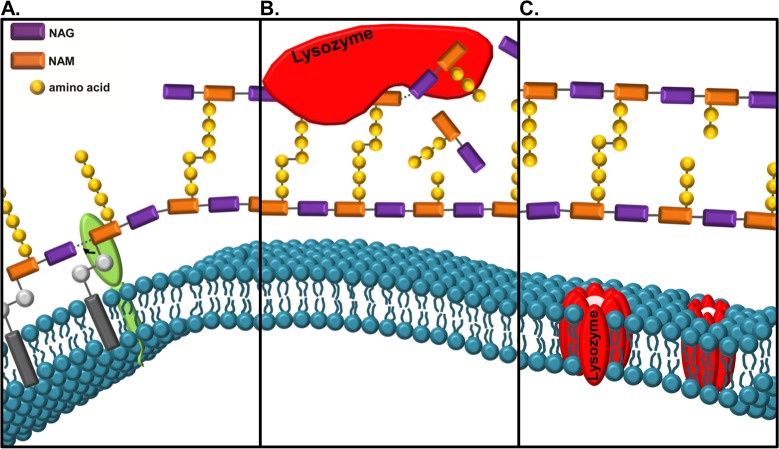
Fig 1
Fig 1. Lysozyme can kill bacteria through 2 mechanisms.
(A) A newly synthesized PG monomer consists of a disaccharide, NAG linked to NAM with an attached peptide stem, and the NAM is anchored to the membrane via a lipid carrier (grey). Monomers are added to a growing chain through the action of glycosyltransferases (green). (B) Lysozyme hydrolyzes the β-1,4 glycosidic bond between the NAM of 1 monomer and the NAG of the adjacent monomer. Lysozyme hydrolysis of PG leads to cell wall instability and bacterial cell death. (C) Lysozyme can also kill bacteria independently of PG hydrolysis through a mechanism involving its cationic nature. Cationic killing of bacteria may involve the formation of pores by lysozyme (red cylinders) on the bacterial cell membrane. Abbreviations: NAG, N-acetylglucosamine; NAM, N-acetylmuramic acid.
Fig 2
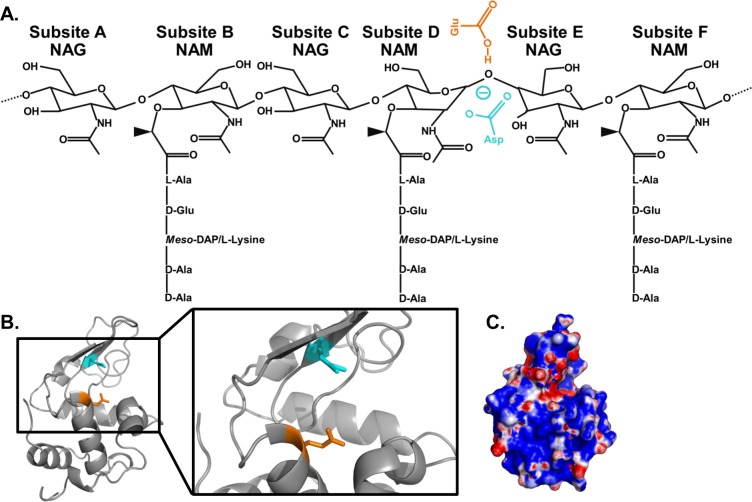
Fig 2. The enzymology and cationicity of human lysozyme.
(A) The active site of lysozyme accommodates up to 6 consecutive sugars through 6 subsite contacts, annotated A-F. Lysozyme hydrolyzes the β-1,4 glycosidic bond between the NAM at subsite D and the NAG at subsite E [1]. (B) Ribbon model of human lysozyme highlighting the essential active site residues, an aspartic acid (blue) and a glutamic acid (orange). (C) Electrostatic potential map of human lysozyme (isoelectric point, 9.28). Because the bacterial envelope is negative, lysozyme may have an enhanced charge-mediated attraction for the bacterial surface that is proposed to lead to a catalytic-independent mechanism of bacterial killing. This structure was created using space-filling models in the PyMOL molecular graphics system. The electrostatic potential map was then calculated with the APBS Tools plug-in for PyMOL with default settings (contoured at ± 5kT/e; blue, positive; red, negative; white, hydrophobic). Human lysozyme, PDB accession 1REX. Abbreviations: NAG, N-acetylglucosamine; NAM, N-acetylmuramic acid; PDB, Protein Data Bank.
Fig 3
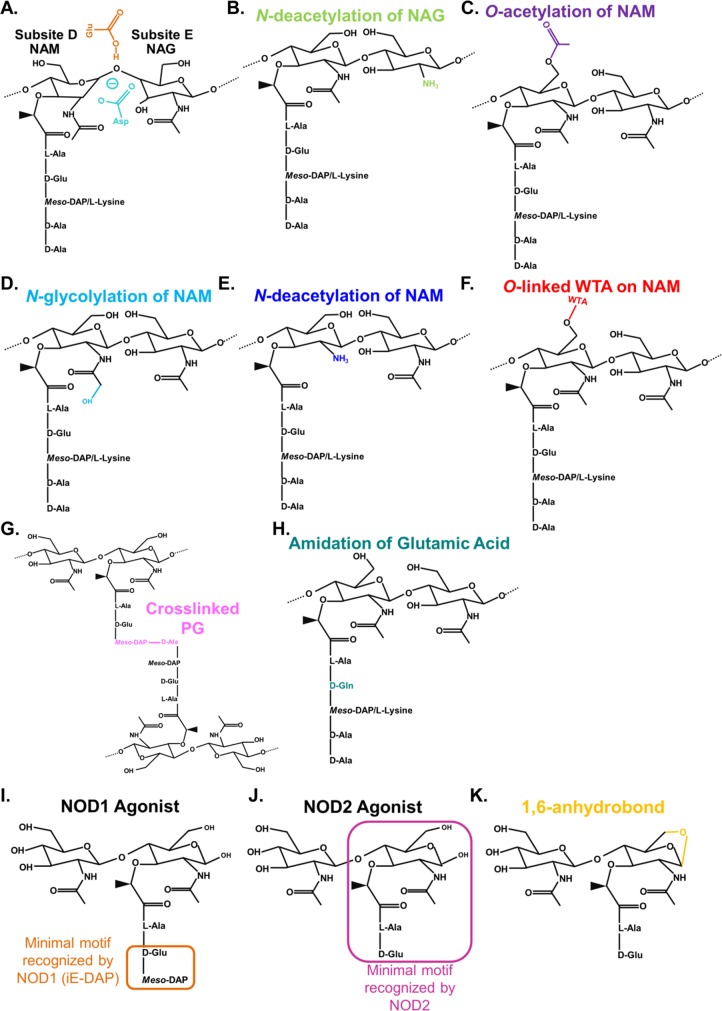
Fig 3. Bacteria modify PG to increase resistance to lysozyme, and some modifications can affect downstream innate detection.
To disrupt efficient lysozyme binding to PG (A), bacteria modify their PG via N-deacetylation of NAG (B), O-acetylation of NAM (C), and N-glycolylation of NAM (D). Bacteria that N-deacetylate NAM (E), add WTAs to NAM (F), highly crosslink their PG (G), or amidate D-glutamic acid (H) are also more resistant to lysozyme. NAM on PG fragments that are released by lysozyme are in a reduced form and can activate the pattern recognition receptors NOD1 (I) and NOD2 (J). In contrast, PG released by bacterial lytic transglycosylases occurs with the formation of a 1,6-anhydrobond on the NAM residue, which can prevent NOD2 detection (K). N-deacetylation of NAM and N-glycolylation of NAM can decrease and increase NOD2-PG detection, respectively, whereas O-acetylation of NAM does not affect NOD2-PG detection. Abbreviations: NAG, N-acetylglucosamine; NAM, N-acetylmuramic acid; PG, peptidoglycan; WTAs, wall teichoic acids.
Fig 4
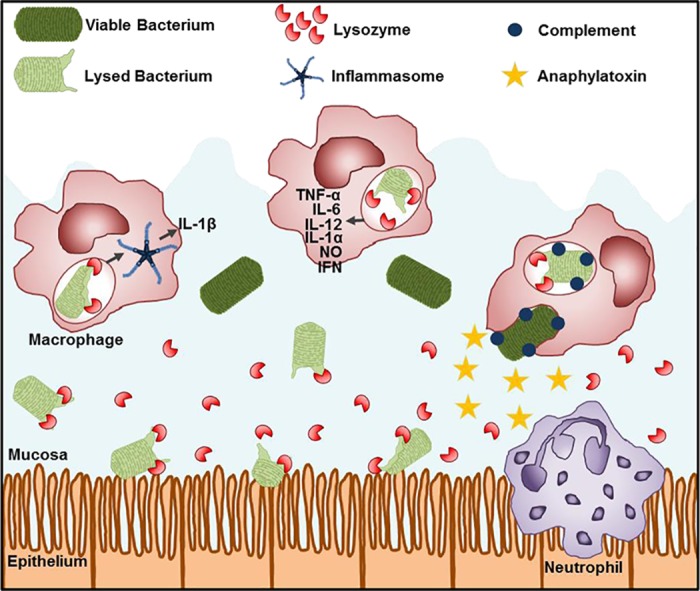
Fig 4. Lysozyme modulates the immune response.
At the site of infection, extracellular lysozyme (red sector), which is secreted locally by the epithelium, can kill bacteria, leading to the release of PAMPs, including but not limited to monomeric PG. This can initiate an epithelial-driven response that leads to phagocyte recruitment (not depicted here). Resident or recruited macrophages also secrete lysozyme extracellularly and can internalize bacteria, delivering lysozyme to the bacterium-containing phagosome. In macrophages, bacterial degradation by phagosomal lysozyme releases PAMPs that stimulate a robust proinflammatory cytokine response and activate the inflammasome. Neutrophil activities may be similarly enhanced by lysozyme-mediated degradation of phagosomal bacteria, akin to macrophages. Deposition of complement (blue circles) on particles, including bacteria and/or insoluble polymeric PG, enhances bacterial phagocytosis and also produces complement-derived anaphylatoxins (yellow stars) that are chemotactic for phagocytes. Because phagocytes poorly respond to extracellular, monomeric PG and monomeric PG cannot activate complement, the degradation of bacterial PG by extracellular lysozyme serves to restrict phagocyte activation and recruitment. Thus, lysozyme activity can function to enhance or dampen the immune response. Abbreviations: PAMP, pathogen-associated molecular pattern; PG, peptidoglycan.

References

    1. Callewaert L, Michiels CW (2010) Lysozymes in the animal kingdom. J Biosci. 35(1):127–60. . - PubMed
    1. Lelouard H, Henri S, De Bovis B, Mugnier B, Chollat-Namy A, Malissen B, et al. (2010) Pathogenic bacteria and dead cells are internalized by a unique subset of Peyer's patch dendritic cells that express lysozyme. Gastroenterology. 138(1):173–84 e1-3. doi: 10.1053/j.gastro.2009.09.051 . - DOI - PubMed
    1. Pipe RK (1990) Hydrolytic enzymes associated with the granular haemocytes of the marine mussel Mytilus edulis. Histochem. 22(11):595–603. . - PubMed
    1. Fleming A (1922) On a remarkable bacteriolytic element found in tissues and secretions. Proc R Soc London. 93:306–17.
    1. Turner RD, Vollmer W, Foster SJ (2014) Different walls for rods and balls: the diversity of peptidoglycan. Mol Microbiol. 91(5):862–74. doi: 10.1111/mmi.12513 ; PubMed Central PMCID: PMCPMC4015370. - DOI - PMC - PubMed