Review
. 2017 Sep 21;24(9):1075-1091.
doi: 10.1016/j.chembiol.2017.08.002.

Emerging Opportunities for Target Discovery in Rare Cancers

Affiliations
Review

Emerging Opportunities for Target Discovery in Rare Cancers

Tanaz Sharifnia et al. Cell Chem Biol. .

Abstract

Rare cancers pose unique challenges to research due to their low incidence. Barriers include a scarcity of tissue and experimental models to enable basic research and insufficient patient accrual for clinical studies. Consequently, an understanding of the genetic and cellular features of many rare cancer types and their associated vulnerabilities has been lacking. However, new opportunities are emerging to facilitate discovery of therapeutic targets in rare cancers. Online platforms are allowing patients with rare cancers to organize on an unprecedented scale, tumor genome sequencing is now routinely performed in research and clinical settings, and the efficiency of patient-derived model generation has improved. New CRISPR/Cas9 and small-molecule libraries permit cancer dependency discovery in a rapid and systematic fashion. In parallel, large-scale studies of common cancers now provide reference datasets to help interpret rare cancer profiling data. Together, these advances motivate consideration of new research frameworks to accelerate rare cancer target discovery.

Keywords: CRISPR/Cas9; chordoma; conditionally reprogrammed cells; genomics; next-generation sequencing; organoid; patient-derived xenograft; rare cancer; small-molecule screen; target discovery.


Figures

Figure 1
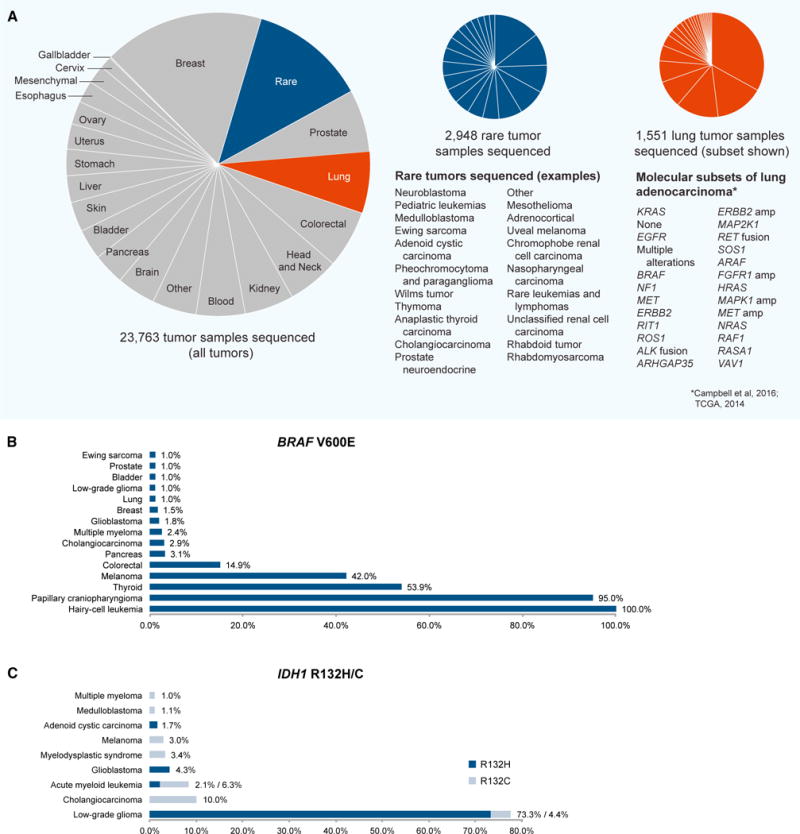
Figure 1. Progress toward the Genomic Characterization of Rare Cancers
(A) Cancer types and subtypes that have been analyzed using whole-exome, whole-genome, or other next-generation sequencing to date. Left, all tumor samples by lineage (source data: www.cbioportal.org; https://gdc.cancer.gov/; Brastianos et al., 2014; Tiacci et al., 2011). Center, examples of rare tumor sequencing studies performed to date; “rare” is used in the figure to describe exceedingly rare cancers with an estimated incidence below ~1/100,000 in a population. Due to the evolving taxonomy of cancers, some subjective decisions were made with respect to classifying unusual subtypes of common cancers (incidence below ~1/100,000) as “rare” in this pie chart. Rare cancer types are listed in order of decreasing study size. Right, molecular subsets of lung adenocarcinoma. Molecular subtypes were identified using a cohort of 227 lung adenocarcinoma cases with complete data and expert histological review originally reported by Cancer Genome Atlas Research Network (2014) and re-analyzed by Campbell et al. (2016). The list of known and putative receptor tyrosine kinase/Ras/Raf pathway driver genes was derived by Campbell et al. (2016). Subtypes are listed in order of decreasing frequency. (B) Frequency of BRAF V600E mutations across rare and common tumor types (source data: www.cbioportal.org). (C) Frequency of IDH1 R132H/C mutations across rare and common tumor types (source data: www.cbioportal.org). cBioPortal and GDC datasets were accessed Feb–March 2017.
Figure 2
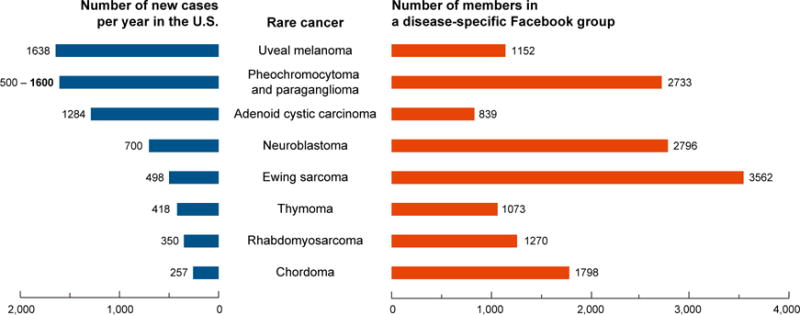
Figure 2. Aggregating Patients with Rare Cancers Via Social Media Platforms
Social media platforms, such as Facebook, are a vehicle to connect patients with rare cancers. Depicted are eight cancer types that are exceedingly rare, typically precluding well-powered studies at any one institution. However, there now exists at least one Facebook group relevant to each cancer type (right, in orange). Membership in these Facebook groups sometimes exceeds the number of new cases of the disease per year in the US (left, in blue). While members may not all be patients living with disease, these groups reflect disease-specific communities that are coalescing via online platforms and may translate to increased access to patients for research studies. Number of new cases per year in the US is based on the current estimated US population (321 million). Facebook data were accessed on July 2, 2017; group numbers are subject to change.
Figure 3
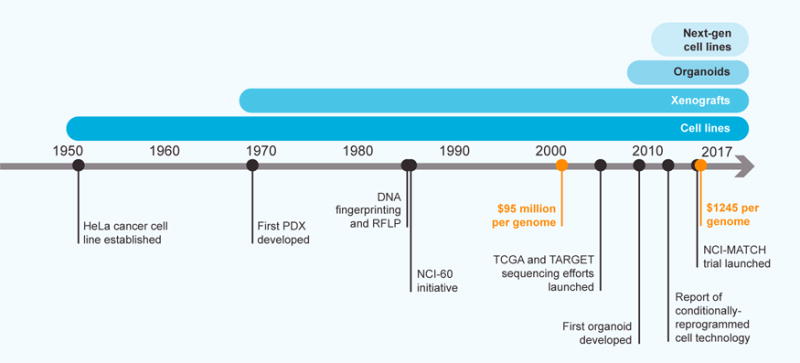
Figure 3. Advances in the Development of Patient-Derived Models
Timeline describing key developments in the generation of patient-derived models. Declines in sequencing costs (orange points); and the emergence of model types, including cell lines, xenografts, organoids, and “next-generation” cell lines, are highlighted (source data: Rygaard and Povlsen, 1969; Jeffreys et al., 1985; The Cancer Genome Atlas, 2005; Wetterstrand, 2016; and references cited in the main text).
Figure 4
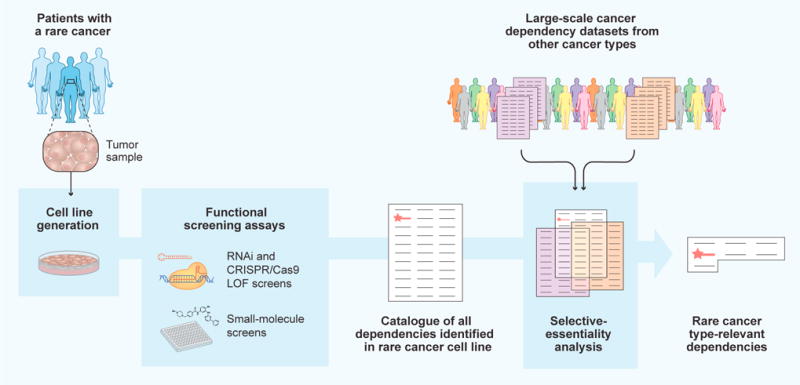
Figure 4. Large-Scale Cancer Dependency Datasets Enable the Identification of Rare Cancer Type-Relevant Vulnerabilities
Workflow of cancer dependency discovery in rare cancers. Patient-derived cell lines are subjected to loss-of-function (LOF) screening approaches to identify a catalog of all dependencies in a given rare tumor model. To distinguish key rare cancer type-relevant dependencies (red star) from commonly essential genes or pan-lethal small molecules, large-scale cancer dependency datasets generated using other cancer types can then be used to compare and filter screening results. A list of rare cancer type-relevant dependencies, including key targets, is thus obtained.
Figure 5
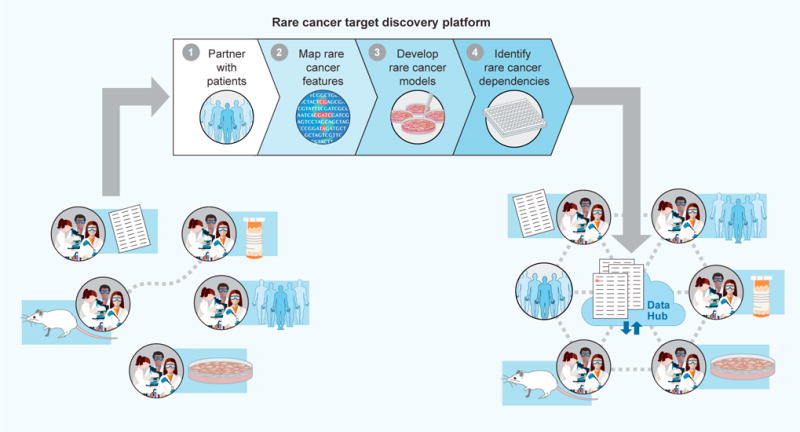
Figure 5. Toward a Platform for Target Discovery in Rare Cancers
Historically, research on rare cancers has been carried out by small numbers of independent laboratories. The emergence of new technologies permits the potential implementation of new research frameworks to (1) leverage online platforms and social media to partner with patients, (2) perform genomic and cellular characterization of samples that such patients contribute, (3) create cell line, organoid, and/or PDX models from such samples, and (4) use small-molecule and CRISPR/Cas9 libraries to create “dependency maps” for each rare cancer type. Resulting target discovery findings, stored in cloud-based “data hubs,” can help further coalesce rare cancer research communities, with each laboratory contributing specific areas of expertise to the larger community.

References

    1. Abrams J, Conley B, Mooney M, Zwiebel J, Chen A, Welch JJ, Takebe N, Malik S, McShane L, Korn E, et al. National Cancer Institute’s Precision Medicine Initiatives for the new National Clinical Trials Network. Am Soc Clin Oncol Educ Book. 2014:71–76. - PubMed
    1. Afani L, Errihani H, Benchafai I, Lalami Y. Nasopharyngeal adenoid cystic carcinoma, a rare but highly challenging disease with unmet therapeutic needs: a case-report and review of the literature. Cancer Radiother. 2016;20:400–404. - PubMed
    1. Aguirre AJ, Meyers RM, Weir BA, Vazquez F, Zhang CZ, Ben-David U, Cook A, Ha G, Harrington WF, Doshi MB, et al. Genomic copy number dictates a gene-independent cell response to CRISPR/Cas9 targeting. Cancer Discov. 2016;6:914–929. - PMC - PubMed
    1. American Type Culture Collection Standards Development Organization Workgroup ASN-0002. Cell line misidentification: the beginning of the end. Nat Rev Cancer. 2010;10:441–448. - PubMed
    1. Arıkan M, Togral G, Hastürk AE, Aktaş E, Güngör S. Management and retrospective analysis of primary and metastatic sacral tumors and infections: evaluation with 73 cases. Eklem Hastalik Cerrahisi. 2014;25:126–132. - PubMed

LinkOut - more resources