


Trans-sialidase-based vaccine candidate protects against Trypanosoma cruzi infection, not only inducing an effector immune response but also affecting cells with regulatory/suppressor phenotype
- PMID: 28938533
- PMCID: PMC5601629
- DOI: 10.18632/oncotarget.18217
Trans-sialidase-based vaccine candidate protects against Trypanosoma cruzi infection, not only inducing an effector immune response but also affecting cells with regulatory/suppressor phenotype
Abstract
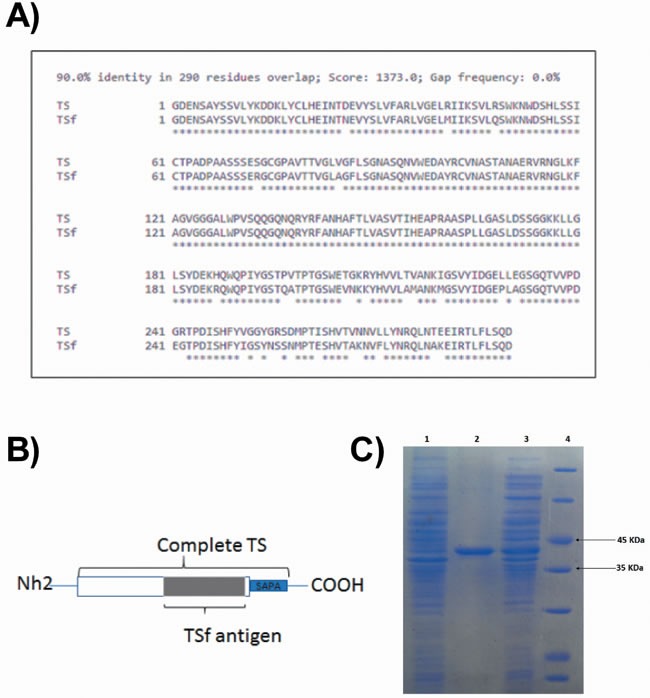
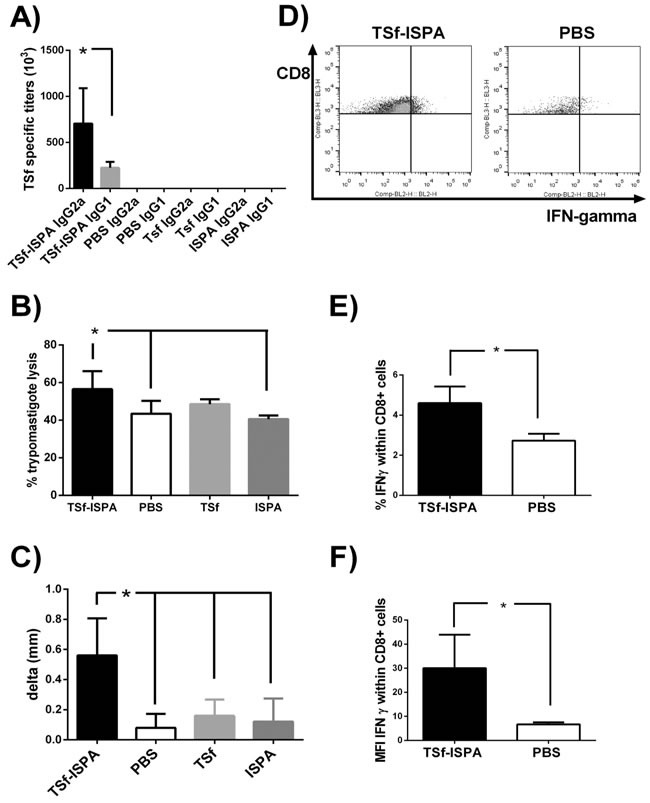
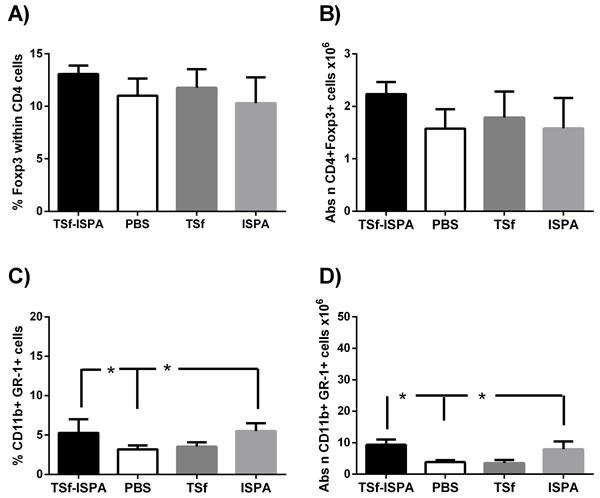
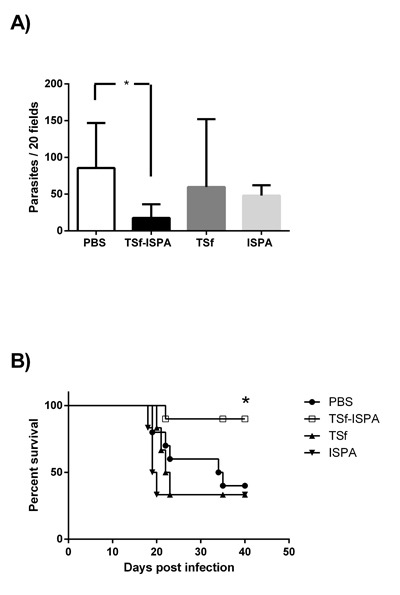
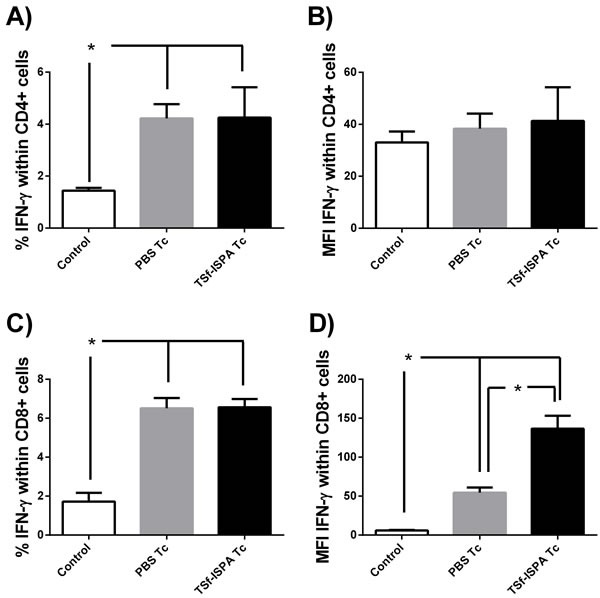
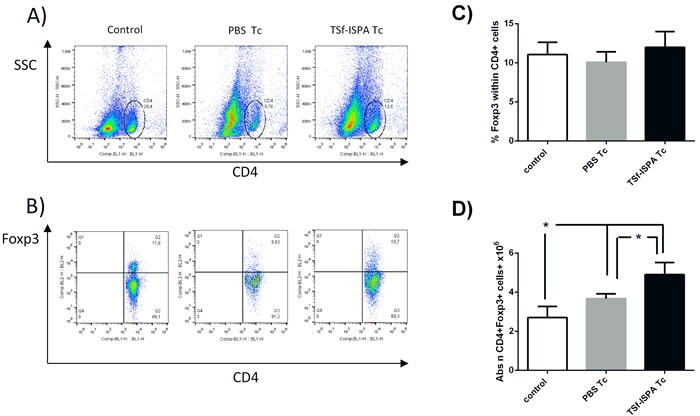
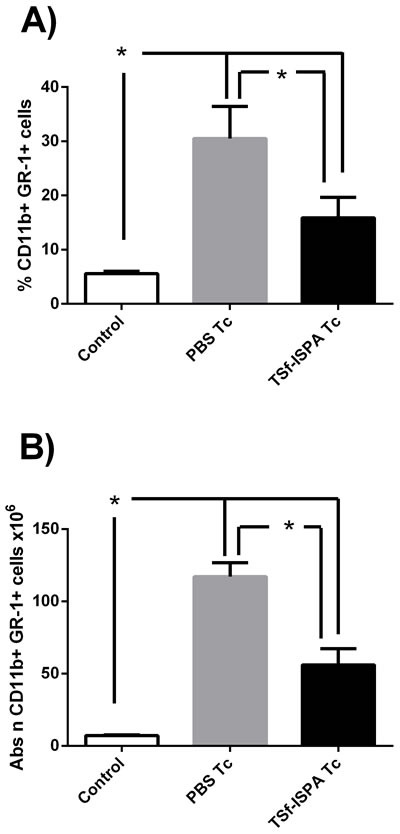
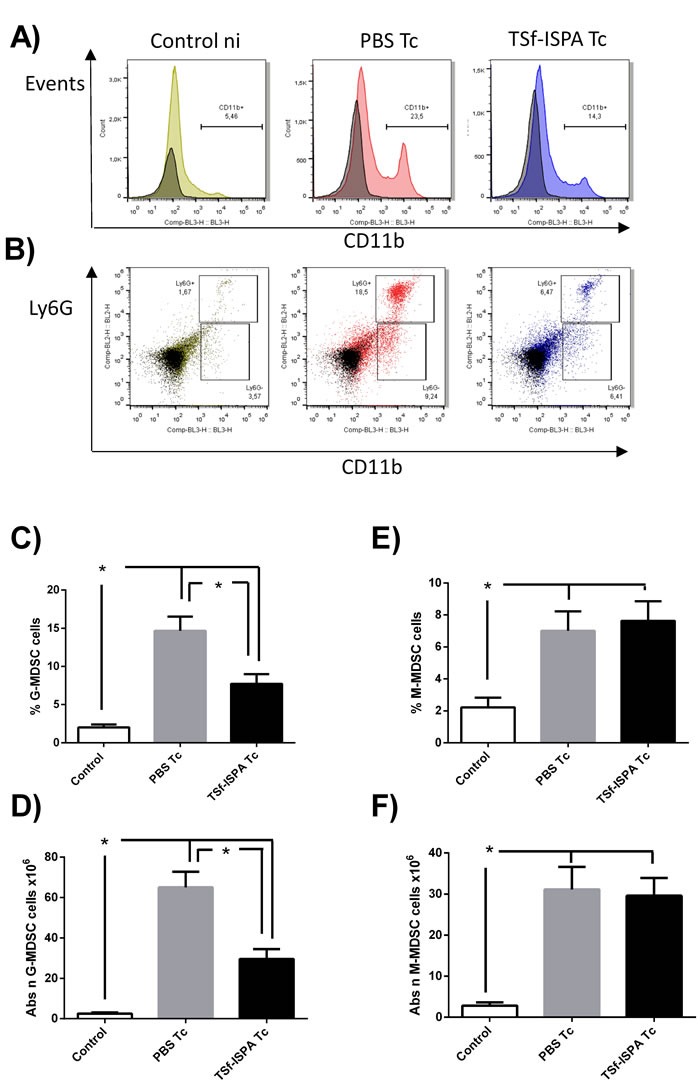
Prophylactic and/or therapeutic vaccines have an important potential to control Trypanosoma cruzi (T. cruzi)infection. The involvement of regulatory/suppressor immune cells after an immunization treatment and T. cruzi infection has never been addressed. Here we show that a new trans-sialidase-based immunogen (TSf) was able to confer protection, correlating not only with beneficial changes in effector immune parameters, but also influencing populations of cells related to immune control. Regarding the effector response, mice immunized with TSf showed a TS-specific antibody response, significant delayed-type hypersensitivity (DTH) reactivity and increased production of IFN-γ by CD8+ splenocytes. After a challenge with T. cruzi, TSf-immunized mice showed 90% survival and low parasitemia as compared with 40% survival and high parasitemia in PBS-immunized mice. In relation to the regulatory/suppressor arm of the immune system, after T. cruzi infection TSf-immunized mice showed an increase in spleen CD4+ Foxp3+ regulatory T cells (Treg) as compared to PBS-inoculated and infected mice. Moreover, although T. cruzi infection elicited a notable increase in myeloid derived suppressor cells (MDSC) in the spleen of PBS-inoculated mice, TSf-immunized mice showed a significantly lower increase of MDSC. Results presented herein highlight the need of studying the immune response as a whole when a vaccine candidate is rationally tested.
Keywords: Immune response; Immunity; Immunology and Microbiology Section; Trypanosoma cruzi; foxp3 regulatory T cells; myeloid-derived suppressor cells; trans-sialidase; vaccine.
Conflict of interest statement
CONFLICTS OF INTEREST None of the authors have a conflict of interest in relation to the content of the present work.
Figures
References
-
- World Health Organization Chagas disease in Latin America: an epidemiological update based on 2010 estimates. Wkly Epidemiol Rec. 2015;90:33–43. - PubMed
-
- Schmunis GA. Epidemiology of Chagas disease in non-endemic countries: the role of international migration. Mem Inst Oswaldo Cruz. 2007;102(Suppl 1):75–85. - PubMed
-
- Viotti R, Vigliano C, Armenti H, Segura E. Treatment of chronic Chagas’ disease with benznidazole: clinical and serologic evolution of patients with long-term follow-up. Am Heart J. 1994;127:151–162. - PubMed
-
- Dumonteil E, Bottazzi ME, Zhan B, Heffernan MJ, Jones K, Valenzuela JG, Kamhawi S, Ortega J, Rosales SP, Lee BY, Bacon KM, Fleischer B, Slingsby BT, et al. Accelerating the development of a therapeutic vaccine for human Chagas disease: rationale and prospects. Expert Rev Vaccines. 2012;11:1043–1055. - PMC - PubMed
-
- Morillo CA, Marin-Neto JA, Avezum A, Sosa-Estani S, Rassi A, Jr, Rosas F, Villena E, Quiroz R, Bonilla R, Britto C, Guhl F, Velazquez E, Bonilla L, et al. Randomized Trial of Benznidazole for Chronic Chagas’ Cardiomyopathy. N Engl J Med. 2015;373:1295–1306. - PubMed
LinkOut - more resources
Full Text Sources
Other Literature Sources
Research Materials
