


End-of-Life and Bereavement Care in Pediatric Intensive Care Units
- PMID: 28941542
- PMCID: PMC5747301
- DOI: 10.1016/j.pcl.2017.06.012
End-of-Life and Bereavement Care in Pediatric Intensive Care Units
Abstract
Most childhood deaths in the United States occur in hospitals. Pediatric intensive care clinicians must anticipate and effectively treat dying children's pain and suffering and support the psychosocial and spiritual needs of families. These actions may help family members adjust to their loss, particularly bereaved parents who often experience reduced mental and physical health. Candid and compassionate communication is paramount to successful end-of-life (EOL) care as is creating an environment that fosters meaningful family interaction. EOL care in the pediatric intensive care unit is associated with challenging ethical issues, of which clinicians must maintain a sound and working understanding.
Keywords: End of life; Family support; Parental grief; Pediatric death; Pediatric intensive care unit.
Copyright © 2017 Elsevier Inc. All rights reserved.
Figures
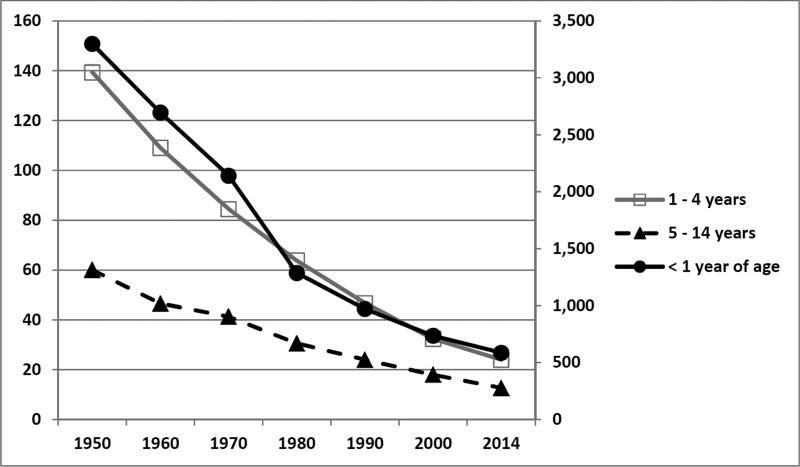
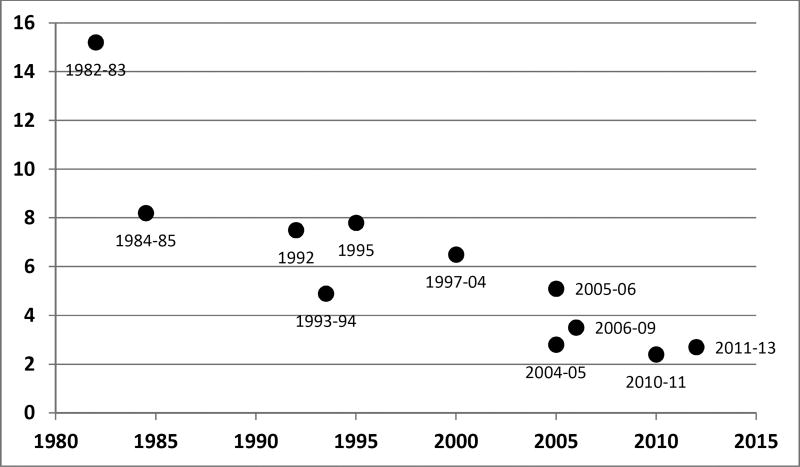
Namachivayam P, Shann F, Shekerdemian L, et al. Three decades of pediatric intensive care: Who was admitted, what happened in intensive care, and what happened afterward. Pediatr Crit Care Med. 2010;11:549–555.
Typpo KV, Petersen NJ, Hallman DM, Markovitz BP, Mariscalco MM. Day 1 multiple organ dysfunction syndrome is associated with poor functional outcome and mortality in the pediatric intensive care unit. Pediatr Crit Care Med. 2009;10:562–570.
Pollack MM, Holubkov R, Funai T, et al.; Eunice Kennedy Shriver National Institute of Child Health and Human Development Collaborative Pediatric Critical Care Research Network. Simultaneous Prediction of New Morbidity, Mortality, and Survival Without New Morbidity From Pediatric Intensive Care: A New Paradigm for Outcomes Assessment. Crit Care Med. 2015;43:1699–1709.
Burns JP, Sellers DE, Meyer EC, Lewis-Newby M, Truog RD. Epidemiology of death in the PICU at five U.S. teaching hospitals. Crit Care Med. 2014;42:2101–2108.
Conlon NP, Breatnach C, O’Hare BP, Mannion DW, Lyons BJ. Health-related quality of life after prolonged pediatric intensive care unit stay. Pediatr Crit Care Med. 2009;10:41–44.
Visser IH, Hazelzet JA, Albers MJ, et al. Mortality prediction models for pediatric intensive care: comparison of overall and subgroup specific performance. Intensive Care Med. 2013;39:942–950.
Gemke RJ, Bonsel GJ, van Vught AJ. Long-term survival and state of health after paediatric intensive care. Arch Dis Child. 1995;73:196–201.
Pollack MM, Patel KM, Ruttimann UE. PRISM III: an updated Pediatric Risk of Mortality score. Crit Care Med. 1996;24:743–752.
Pollack MM, Ruttimann UE, Getson PR. Pediatric risk of mortality (PRISM) score. Crit Care Med. 1988;16:1110–1116.
References
-
- National Center for Health Statistics. Health, United States, 2015: With Special Feature on Racial and Ethnic Health Disparities. Hyattsville, MD: 2016. Table 20. Leading causes of death and numbers of deaths, by age: United States, 1980 and 2014; p. 111. - PubMed
-
- Conlon NP, Breatnach C, O’Hare BP, Mannion DW, Lyons BJ. Health-related quality of life after prolonged pediatric intensive care unit stay. Pediatr Crit Care Med. 2009;10:41–44. - PubMed
-
- Visser IH, Hazelzet JA, Albers MJ, et al. Mortality prediction models for pediatric intensive care: comparison of overall and subgroup specific performance. Intensive Care Med. 2013;39:942–950. - PubMed
-
- Pollack MM, Patel KM, Ruttimann UE. PRISM III: an updated Pediatric Risk of Mortality score. Crit Care Med. 1996;24:743–752. - PubMed
Publication types
MeSH terms
Grants and funding
LinkOut - more resources
Full Text Sources
Other Literature Sources
Medical
