


Chlamydia psittaci (psittacosis) as a cause of community-acquired pneumonia: a systematic review and meta-analysis
- PMID: 28946931
- PMCID: PMC9148753
- DOI: 10.1017/S0950268817002060
Chlamydia psittaci (psittacosis) as a cause of community-acquired pneumonia: a systematic review and meta-analysis
Abstract
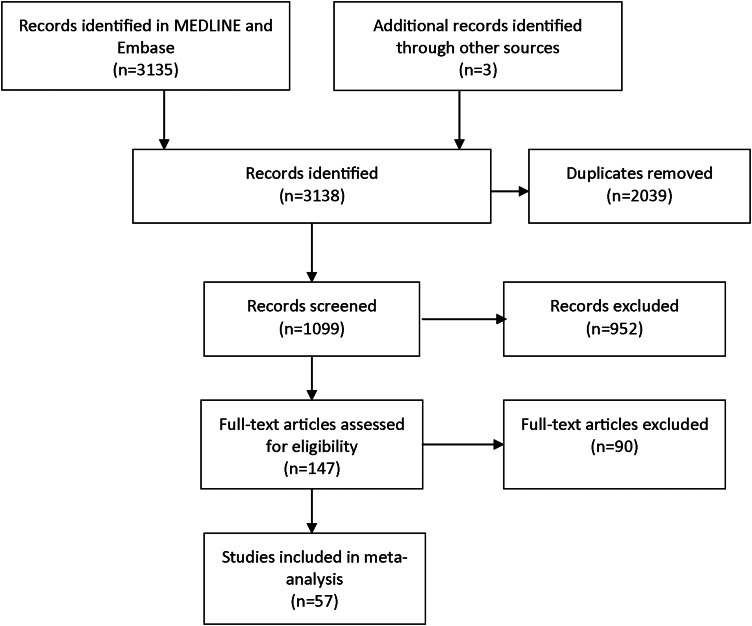
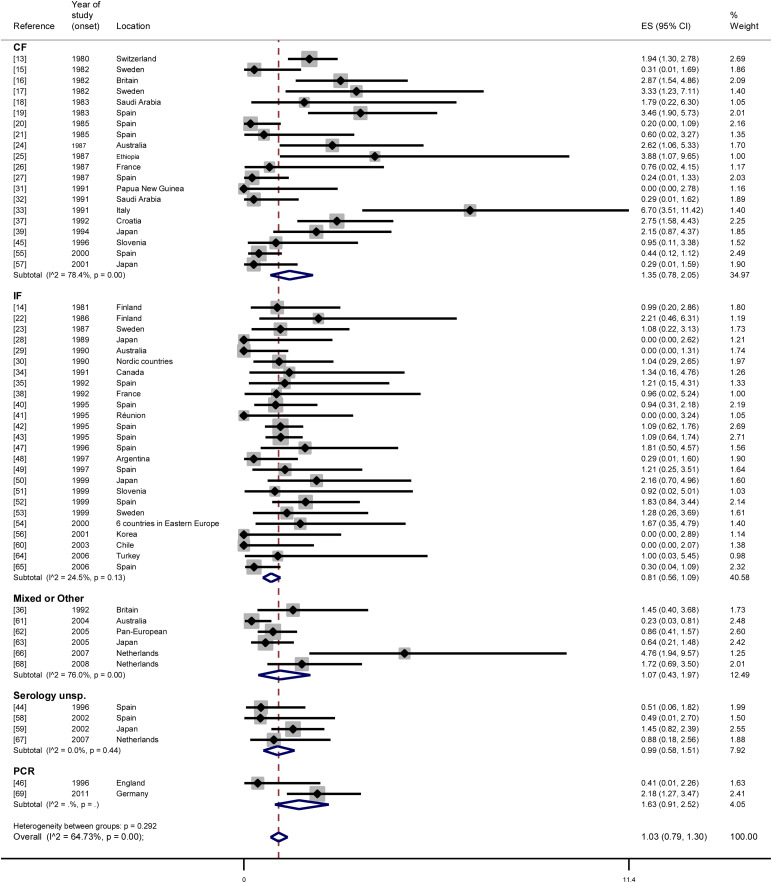
Psittacosis is a zoonotic infectious disease caused by the transmission of the bacterium Chlamydia psittaci from birds to humans. Infections in humans mainly present as community-acquired pneumonia (CAP). However, most cases of CAP are treated without diagnostic testing, and the importance of C. psittaci infection as a cause of CAP is therefore unclear. In this meta-analysis of published CAP-aetiological studies, we estimate the proportion of CAP caused by C. psittaci infection. The databases MEDLINE and Embase were systematically searched for relevant studies published from 1986 onwards. Only studies that consisted of 100 patients or more were included. In total, 57 studies were selected for the meta-analysis. C. psittaci was the causative pathogen in 1·03% (95% CI 0·79-1·30) of all CAP cases from the included studies combined, with a range between studies from 0 to 6·7%. For burden of disease estimates, it is a reasonable assumption that 1% of incident cases of CAP are caused by psittacosis.
Keywords: Chlamydia psittaci; Aetiology; community-acquired pneumonia; psittacosis.
Figures
References
-
- Beeckman DSA, Vanrompay DCG. Zoonotic Chlamydophila psittaci infections from a clinical perspective. Clinical Microbiology and Infection 2009; 15: 11–17. - PubMed
-
- Heddema ER, et al. An outbreak of psittacosis due to Chlamydophila psittaci genotype A in a veterinary teaching hospital. Journal of Medical Microbiology 2006; 55: 1571–1575. - PubMed
-
- Belchior E, et al. Psittacosis outbreak after participation in a bird fair, Western France, December 2008. Epidemiology and Infection 2011; 139: 1637–1641. - PubMed
-
- Laroucau K, et al. Outbreak of psittacosis in a group of women exposed to Chlamydia psittaci-infected chickens. Eurosurveillance 2015; 20: pii=21155. - PubMed
Publication types
MeSH terms
LinkOut - more resources
Full Text Sources
Other Literature Sources
Miscellaneous
