. 2017 Dec 1;77(23):6513-6523.
doi: 10.1158/0008-5472.CAN-17-0768. Epub 2017 Sep 26.

Mechanisms of Acquired Resistance to BRAF V600E Inhibition in Colon Cancers Converge on RAF Dimerization and Are Sensitive to Its Inhibition

Affiliations

Mechanisms of Acquired Resistance to BRAF V600E Inhibition in Colon Cancers Converge on RAF Dimerization and Are Sensitive to Its Inhibition

Rona Yaeger et al. Cancer Res. .

Abstract

BRAF V600E colorectal cancers are insensitive to RAF inhibitor monotherapy due to feedback reactivation of receptor tyrosine kinase signaling. Combined RAF and EGFR inhibition exerts a therapeutic effect, but resistance invariably develops through undefined mechanisms. In this study, we determined that colorectal cancer progression specimens invariably harbored lesions in elements of the RAS-RAF-MEK-ERK pathway. Genetic amplification of wild-type RAS was a recurrent mechanism of resistance in colorectal cancer patients that was not seen in similarly resistant melanomas. We show that wild-type RAS amplification increases receptor tyrosine kinase-dependent activation of RAS more potently in colorectal cancer than in melanoma and causes resistance only in the former. Currently approved RAF inhibitors inhibit RAF monomers but not dimers. All the drug-resistant lesions we identified activate BRAF V600E dimerization directly or by elevating RAS-GTP. Overall, our results show that mechanisms of resistance converge on formation of RAF dimers and that inhibiting EGFR and RAF dimers can effectively suppress ERK-driven growth of resistant colorectal cancer. Cancer Res; 77(23); 6513-23. ©2017 AACR.


Figures

Figure 1
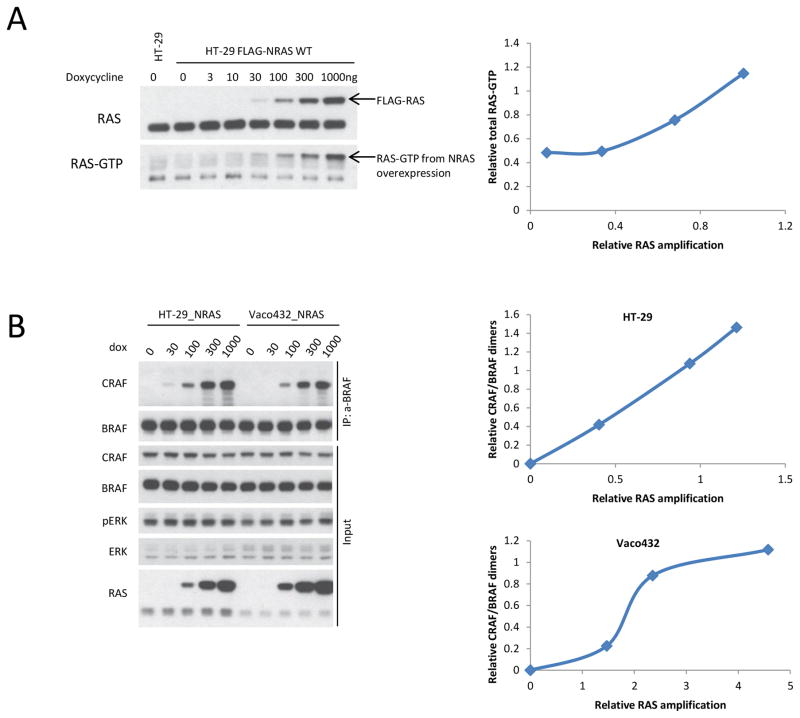
Figure 1. RAS amplification leads to increased RAS-GTP and dimerization of RAF
A. HT-29 cells and HT-29 FLAG-NRAS WT (wild-type) (HT-29_NRAS) cells, exposed to increasing doses of doxycycline as indicated, were harvested after 24 hours. Expression of the indicated proteins was assayed by immunoblotting. The cellular RAS-GTP was determined by the active RAS pull-down assay. Densitometric analysis of the bands was used to calculate the relative amplification of RAS and RAS-GTP. B. HT-29_NRAS and Vaco432_NRAS cells were treated with the indicated doses of doxycycline (dox) for 16 hours. Then the cells were lysed in 0.1% NP-40 Tris-NaCl buffer. The soluble fractions were isolated and incubated with anti-BRAF antibody coupled IgG beads for 2 hours at 4°C. The immunoprecipitated protein complex and 2% input were assayed by immunoblotting with indicated antibodies. Densitometric analysis of the bands was used to calculate relative RAS amplification and CRAF/BRAF dimers. Relative levels of CRAF/BRAF dimers were normalized to levels of immunoprecipitated BRAF.
Figure 2
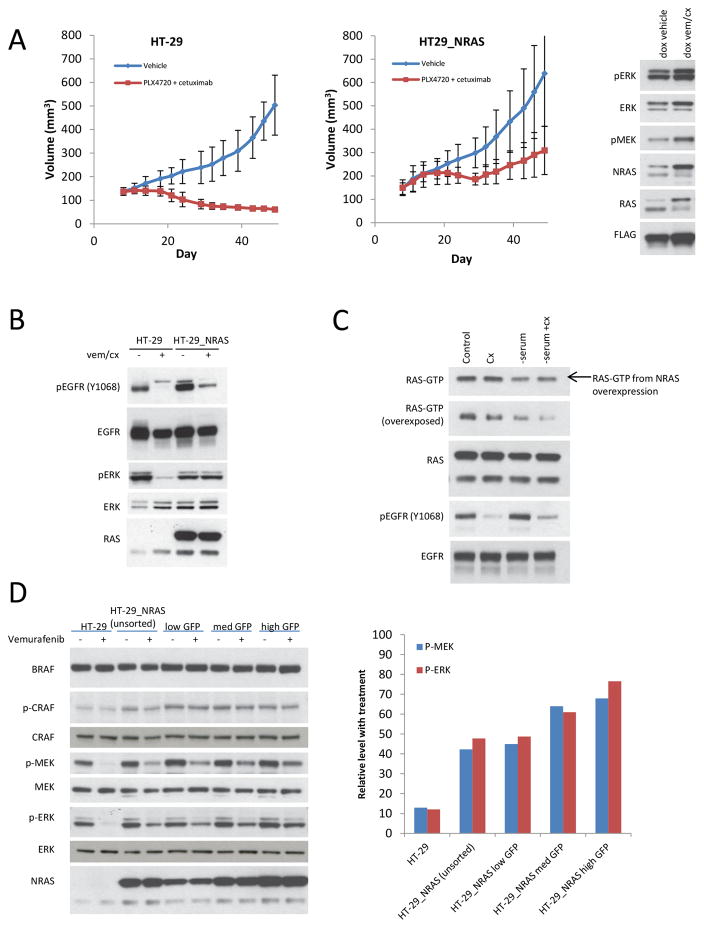
Figure 2. Increase in NRAS expression is sufficient to cause resistance to RAF/EGFR inhibition in CRC
A. Growth curves for HT-29 and HT-29_NRAS xenografts treated with vehicle or vemurafenib (PLX4720 50 mg/kg PO twice daily) plus cetuximab (50 mg/kg intraperitoneal injection twice per week). Five mice were treated in each group, and tumor volumes (and standard deviations [SD]) are shown as a function of time on treatment. Right panel shows immunoblots from representative mice fed doxycycline (dox) and treated with vehicle control (left) or vemurafenib/cetuximab (vem/cx) (right). Tumor were collected for immunoblot analysis at the end of the growth experiment. B. HT-29 and HT-29_NRAS, treated with doxycycline 2ug/mL for 24 hours before drug exposure, were treated with either vehicle (DMSO) or vemurafenib/cetuximab (vem/cx) for 24 hours. Expression of the indicated proteins was assayed by immunoblotting. C. HT-29_NRAS cells, treated with doxycycline 2ug/mL, were plated for 12 hours to adhere and then serum was removed as indicated. Twelve hours later, cells were subjected to treatment with vehicle control or cetuximab (cx) for 24 hours. Cells were then collected and expression of the indicated proteins was assayed by immunoblotting. The cellular RAS-GTP was determined by the active RAS pull-down assay. D. HT-29_NRAS cells were treated with doxycycline for 24 hours and then subjected to sorting of the cell populations by GFP expression. HT-29 cells, unsorted HT-29_NRAS cells, and HT-29 cells sorted for low, medium (med), or high GFP expression were treated with either vehicle (DMSO) or vemurafenib 1uM for one hour. Expression of the indicated proteins was assayed by immunoblotting. Densitometric analysis of the bands was used to calculate phosphorylated ERK and phosphorylated MEK levels with vemurafenib treatment at each level of RAS expression.
Figure 3
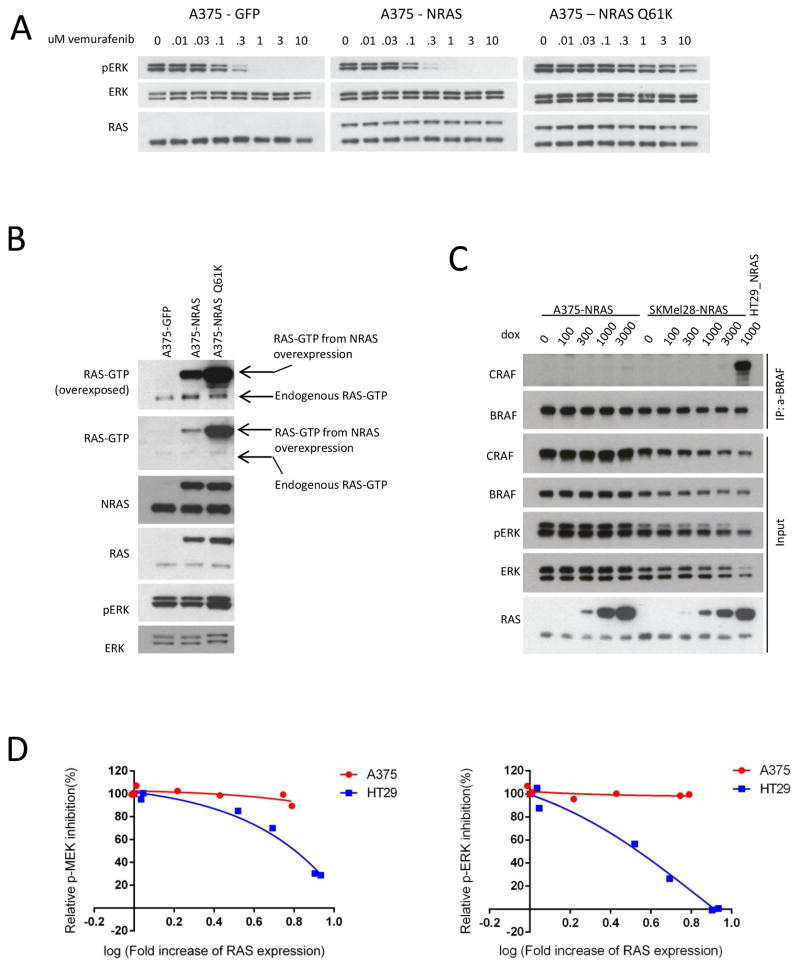
Figure 3. Increase in NRAS expression does not cause resistance to RAF inhibition in melanoma
A and B. A375 cells expressing inducible GFP (control), wild-type NRAS, or NRAS Q61K were treated with doxycycline (2ug/mL for 24 hours) (A) followed by treatment with vemurafenib for one hour at the indicated concentrations or (B) collected for RAS-GTP analysis with the active RAS pull-down assay. Expression of the indicated proteins was assayed by immunoblotting. C. Increasing expression of wild-type NRAS was induced into BRAF V600E mutant CRC cell lines HT-29 and VACO432 and melanoma cell lines A375 and SKMEL-28 with FLAG-NRAS by doxycycline treatment with the indicated doses for 24 hours. The cells were then collected and lysed. BRAF/CRAF heterodimers were pulled down with anti-BRAF antibody conjugated beads. The cell lysate (input) for the binding assay and the immunoprecipitated complexes were assayed by immunoblotting with the indicated antibodies. D. A375 and HT-29 cells expressing inducible wild-type NRAS were treated with increasing doses of doxycycline for 24 hours and then treated with vemurafenib 1uM or vemurafenib 1uM plus cetuximab 50nM, respectively, for 24 hours. Expression of phospho-ERK and phospho-MEK was assayed by immunoblotting. Densitometric analysis of the bands was used to calculate the relative change in phosphorylated ERK and MEK levels with drug treatment at each level of ectopic RAS expression, where the change in phospho-MEK or phospho-ERK levels in the absence of doxycycline in each cell line was defined as 100% inhibition.
Figure 4
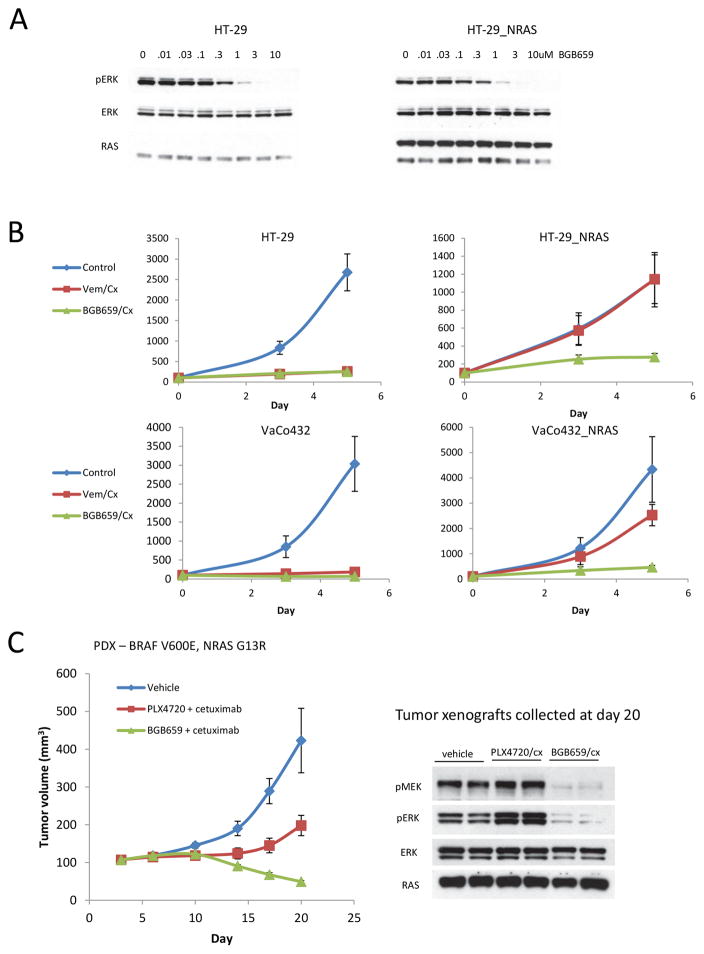
Figure 4. Combined administration of RAF dimer and EGFR inhibitors overcome resistance
A. HT-29 and HT-29_NRAS cells (treated with 2ug/mL doxycycline for 24 hours) were treated with a range of BGB659 doses as indicated for one hour. Expression of the indicated proteins was assayed by immunoblotting. B. Growth curves for treatment of HT-29 or Vaco432 cells with vehicle (DMSO), vemurafenib 2uM plus cetuximab 100nM (Vem/Cx), or BGB659 1uM plus cetuximab 100nM (BGB659/Cx) for 5 days. Relative cell counts were assayed by alamarBlue. For this experiment, HT-29 and Vaco432 NRAS overexpressing cells were treated with doxycycline 2ug/mL for 24 hours before drug exposure. Experiments were done in 8 replicates. C. Patient derived xenograft (PDX) made from the progression specimen of patient 3 was expanded into mice that were treated with vehicle, vemurafenib (PLX4720 50 mg/kg PO twice daily) plus cetuximab (50 mg/kg intraperitoneal injection twice per week), or BGB659 (100mg/kg oral daily) plus cetuximab (50 mg/kg intraperitoneal injection twice per week). Tumor volumes (and SD) are shown as a function of time on treatment. Tumors were collected at day 20 and two samples from each group were lysed for immunoblotting with the indicated antibodies.

References

    1. Rushworth LK, Hindley AD, O’Neill E, Kolch W. Regulation and role of Raf-1/B-Raf heterodimerization. Mol Cell Biol. 2006;26:2262–72. - PMC - PubMed
    1. Weber CK, Slupsky JR, Kalmes HA, Rapp UR. Active Ras induces heterodimerization of cRaf and BRaf. Cancer Res. 2001;61:3595–8. - PubMed
    1. Dougherty MK, Muller J, Ritt DA, Zhou M, Zhou XZ, Copeland TD, et al. Regulation of Raf-1 by direct feedback phosphorylation. Mol Cell. 2005;17:215–24. - PubMed
    1. Douville E, Downward J. EGF induced SOS phosphorylation in PC12 cells involves P90 RSK-2. Oncogene. 1997;15:373–83. - PubMed
    1. Poulikakos PI, Zhang C, Bollag G, Shokat KM, Rosen N. RAF inhibitors transactivate RAF dimers and ERK signalling in cells with wild-type BRAF. Nature. 2010;464:427–30. - PMC - PubMed

MeSH terms