


Evaluation of Antiulcer and Cytotoxic Potential of the Leaf, Flower, and Fruit Extracts of Calotropis procera and Isolation of a New Lignan Glycoside
- PMID: 28951762
- PMCID: PMC5603131
- DOI: 10.1155/2017/8086791
Evaluation of Antiulcer and Cytotoxic Potential of the Leaf, Flower, and Fruit Extracts of Calotropis procera and Isolation of a New Lignan Glycoside
Abstract
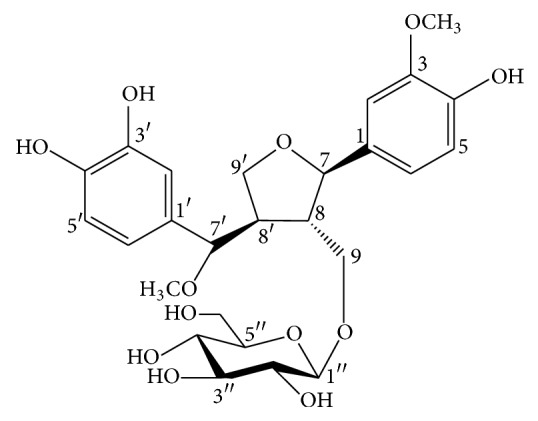
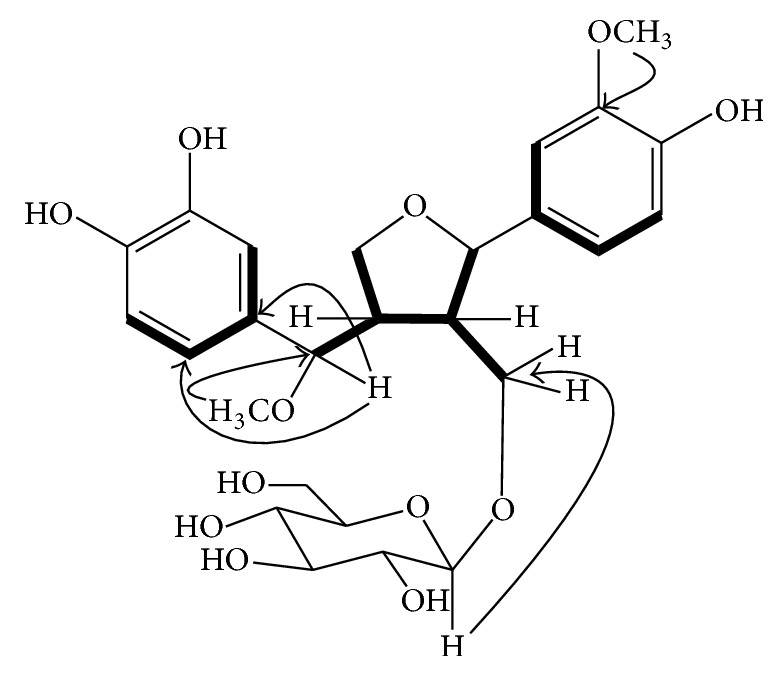
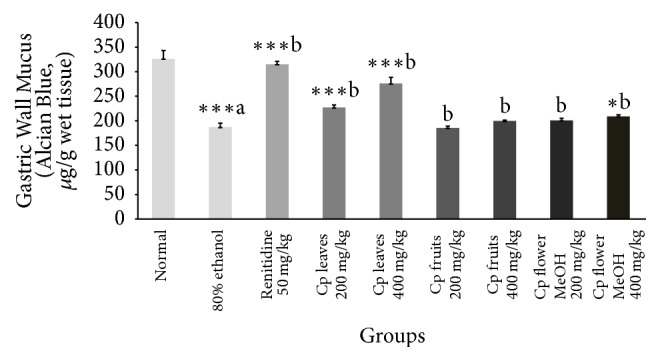
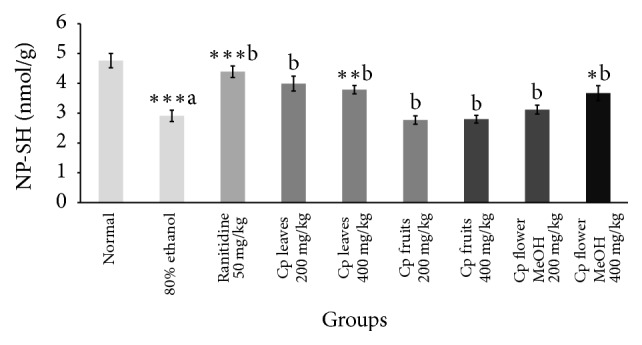
Calotropis procera is traditionally used for treating many diseases including ulcers and tumors. It was thus deemed of interest to investigate and compare the antiulcer and cytotoxic activities of C. procera leaf, flower, and fruit extracts in an attempt to verify its traditional uses. Phytochemical studies on the fruits, flowers, and leaves of C. procera, collected from the desert of Saudi Arabia, led to the isolation of one new lignan 7'-methoxy-3'-O-demethyl-tanegool-9-O-β-d-glucopyranoside and five known compounds from the flowers, four compounds from leaves, and a flavonoid glycoside and a lignan glycoside from the fruits. The structures of compounds were determined by spectroscopic techniques. Ethanol extracts of the three parts of C. procera were evaluated for their antiulcer activity and we found that the leaf extract possessed a powerful antiulcer activity which could be considered as a promising drug candidate. All the extracts and the isolated compounds were evaluated for their cytotoxic activity against MCF-7, HCT-116, HepG-2, and A-549 human cancer cell lines. Compound 2 was highly active on all the cell lines, whereas compounds 5 and 11 were more selective on colon and liver cell lines. Compound 10 demonstrated a significant activity on liver and lung cancer cell lines.
Figures
References
-
- Hassan L. M., Galal T. M., Farahat E. A., El-Midany M. M. The biology of Calotropis procera (Aiton) W.T. Trees - Structure and Function. 2015;29(2):311–320. doi: 10.1007/s00468-015-1158-7. - DOI
-
- Al-Yahya M. A. Saudi Plants: a phytochemical and biological approach. King Abdulaziz City for Science and Technology; 1990.
-
- Nandal S. N., Bhatti D. S. Preliminary screening of some weeds shrubs for their nematicidal activity against Meloidogyne javanica. Indian Journal of Nematology. 1983;13(1):123–127.
-
- Girdhar G., Deval K., Mittal P. K., Vasudevan P. Mosquito control by Calotropis latex. Pesticides. 1984;18(10):26–29.
LinkOut - more resources
Full Text Sources
Other Literature Sources
