


Photovoice Ethics: Critical Reflections From Men's Mental Health Research
- PMID: 28962540
- PMCID: PMC5764141
- DOI: 10.1177/1049732317729137
Photovoice Ethics: Critical Reflections From Men's Mental Health Research
Abstract
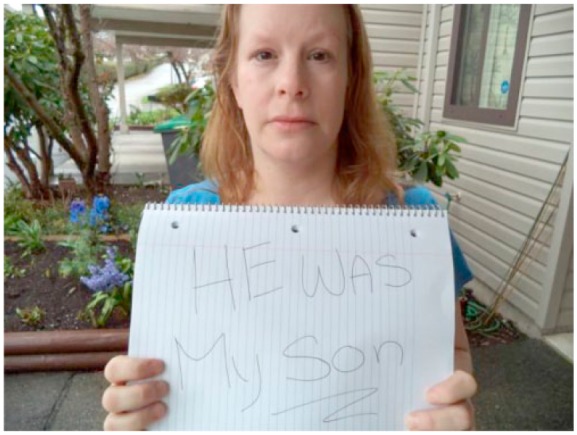
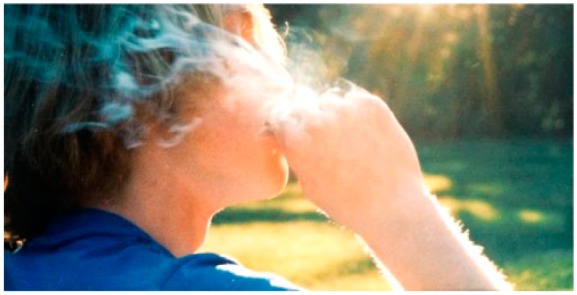
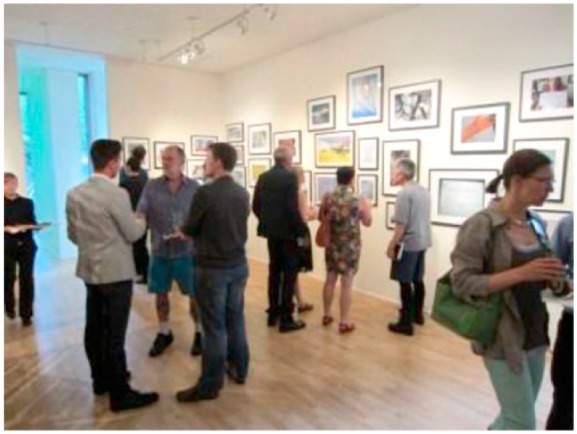
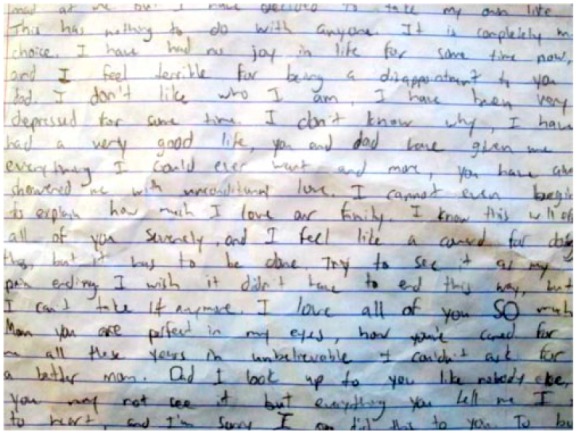
As photovoice continues to grow as a method for researching health and illness, there is a need for rigorous discussions about ethical considerations. In this article, we discuss three key ethical issues arising from a recent photovoice study investigating men's depression and suicide. The first issue, indelible images, details the complexity of consent and copyright when participant-produced photographs are shown at exhibitions and online where they can be copied and disseminated beyond the original scope of the research. The second issue, representation, explores the ethical implications that can arise when participants and others have discordant views about the deceased. The third, vicarious trauma, offers insights into the potenial for triggering mental health issues among researchers and viewers of the participant-produced photographs. Through a discussion of these ethical issues, we offer suggestions to guide the work of health researchers who use, or are considering the use of, photovoice.
Keywords: Canada; North America; North Americans; ethics; moral perspectives; qualitative; qualitative methods; research design, photography, photovoice; research evaluation, methodology; research strategies.
Conflict of interest statement
Figures
References
-
- Affleck W., Glass K. C., MacDonald M. E. (2013). The limitations of language: Male participants, stoicism, and the qualitative research interview. American Journal of Men’s Health, 7, 155–162. - PubMed
-
- Allen Q. (2012). Photographs and stories: Ethics, benefits and dilemmas of using participant photography with Black middle-class male youth. Qualitative Research, 12, 443–438.
-
- Banks B. (2007). Using visual data in qualitative research. London: Sage.
-
- Beale B., Cole R., Hillenge S., McMaster R., Nagy S. (2004). Impact of in-depth interviews on the interviewer: Roller coaster ride. Nursing & Health Sciences, 6, 141–147. - PubMed
-
- Behar R. (1997). The vulnerable observer: Anthropology that breaks your heart. Boston: Beacon Press.
Publication types
MeSH terms
LinkOut - more resources
Full Text Sources
Other Literature Sources
Medical
