Using Data to Improve Programs: Assessment of a Data Quality and Use Intervention Package for Integrated Community Case Management in Malawi
- PMID: 28963172
- PMCID: PMC5620334
- DOI: 10.9745/GHSP-D-17-00103
Using Data to Improve Programs: Assessment of a Data Quality and Use Intervention Package for Integrated Community Case Management in Malawi
Abstract
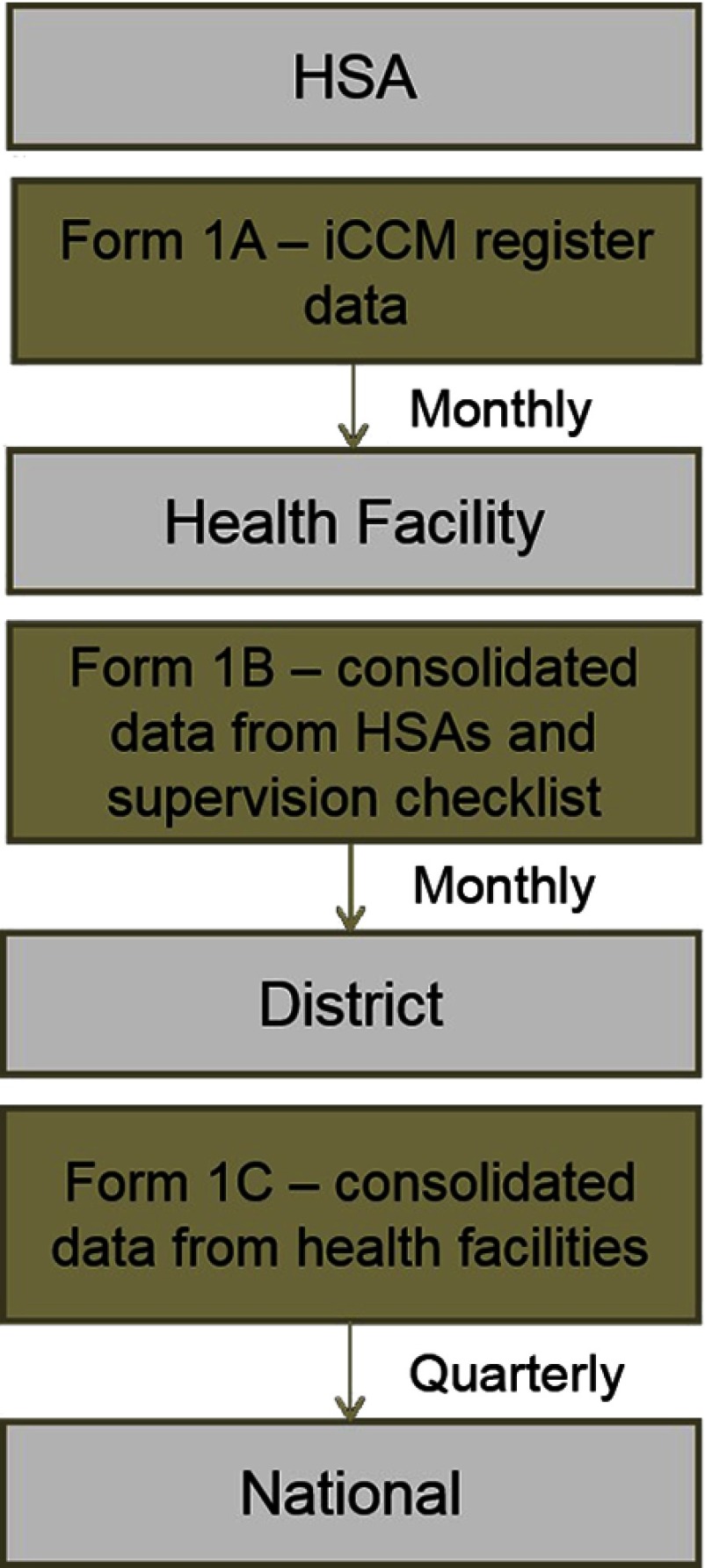
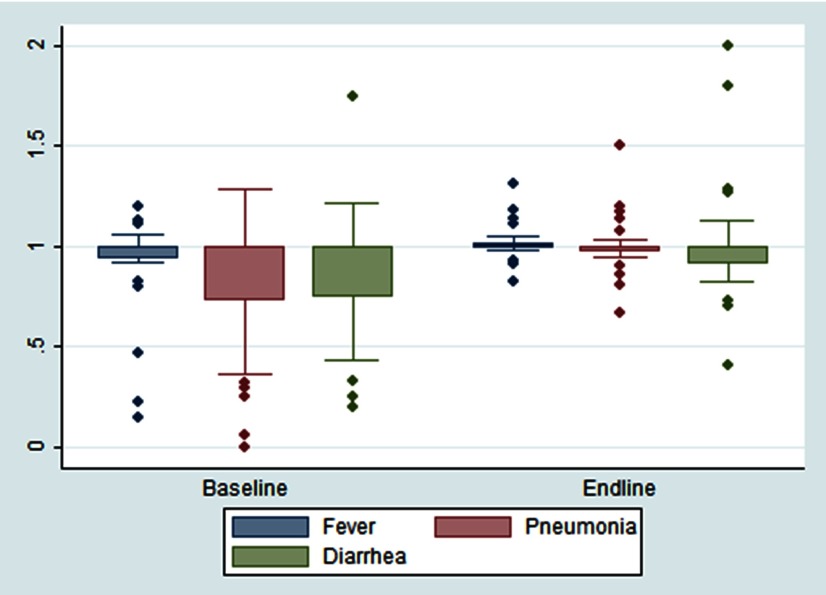
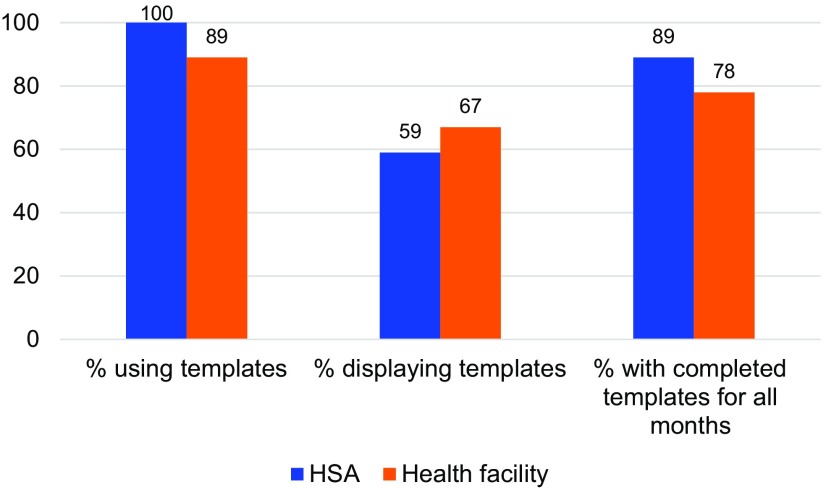
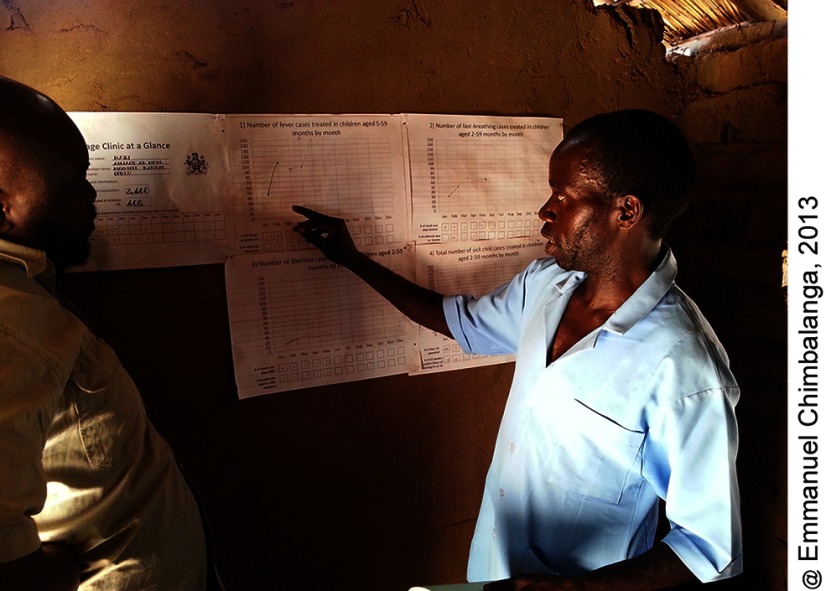
Health Surveillance Assistants (HSAs) have been providing integrated community case management (iCCM) for sick children in Malawi since 2008. HSAs report monthly iCCM program data but, at the time of this study, little of it was being used for service improvement. Additionally, HSAs and facility health workers did not have the tools to compile and visualize the data they collected to make evidence-based program decisions. From 2012 to 2013, we worked with Ministry of Health staff and partners to develop and pilot a program in Dowa and Kasungu districts to improve data quality and use at the health worker level. We developed and distributed wall chart templates to display and visualize data, provided training to 426 HSAs and supervisors on data analysis using the templates, and engaged health workers in program improvement plans as part of a data quality and use (DQU) package. We assessed the package through baseline and endline surveys of the HSAs and facility and district staff in the study areas, focusing specifically on availability of reporting forms, completeness of the forms, and consistency of the data between different levels of the health system as measured through results verification ratio (RVR). We found evidence of significant improvements in reporting consistency for suspected pneumonia illness (from overreporting cases at baseline [RVR=0.82] to no reporting inconsistency at endline [RVR=1.0]; P=.02). Other non-significant improvements were measured for fever illness and gender of the patient. Use of the data-display wall charts was high; almost all HSAs and three-fourths of the health facilities had completed all months since January 2013. Some participants reported the wall charts helped them use data for program improvement, such as to inform community health education activities and to better track stock-outs. Since this study, the DQU package has been scaled up in Malawi and expanded to 2 other countries. Unfortunately, without the sustained support and supervision provided in this project, use of the tools in the Malawi scale-up is lower than during the pilot period. Nevertheless, this pilot project shows community and facility health workers can use data to improve programs at the local level given the opportunity to access and visualize the data along with supervision support.
© Hazel et al.
Figures
Comment in
-
Routine Health Facility and Community Information Systems: Creating an Information Use Culture.Glob Health Sci Pract. 2017 Sep 28;5(3):338-340. doi: 10.9745/GHSP-D-17-00319. Print 2017 Sep 27. Glob Health Sci Pract. 2017. PMID: 28963169 Free PMC article.
References
-
- World Health Organization (WHO); United Nations Children's Fund (UNICEF). WHO/UNICEF joint statement: integrated community case management (iCCM): an equity-focused strategy to improve access to essential treatment services for children. New York; UNICEF; 2012. http://www.who.int/maternal_child_adolescent/documents/statement_child_s... Accessed August 31, 2017. - PMC - PubMed
Publication types
MeSH terms
LinkOut - more resources
Full Text Sources
Other Literature Sources