


Aging Systemic Milieu Impairs Outcome after Ischemic Stroke in Rats
- PMID: 28966798
- PMCID: PMC5614318
- DOI: 10.14336/AD.2017.0710
Aging Systemic Milieu Impairs Outcome after Ischemic Stroke in Rats
Abstract
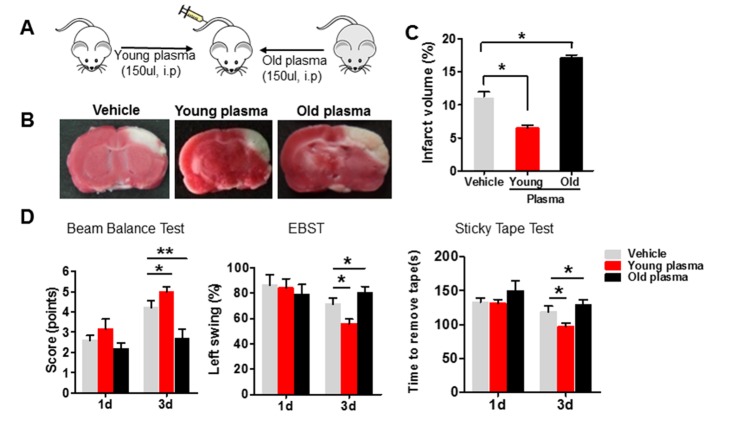
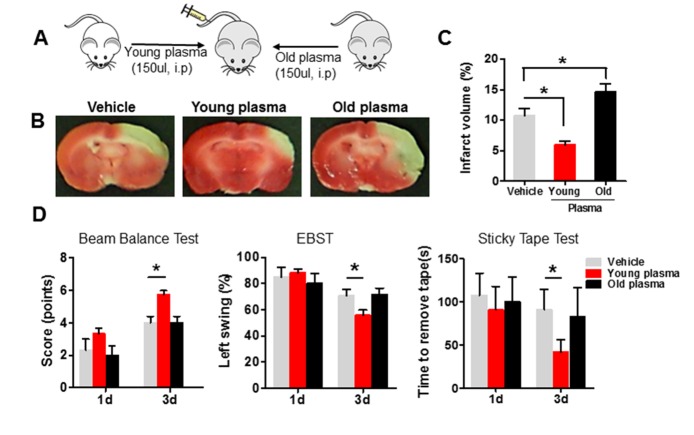
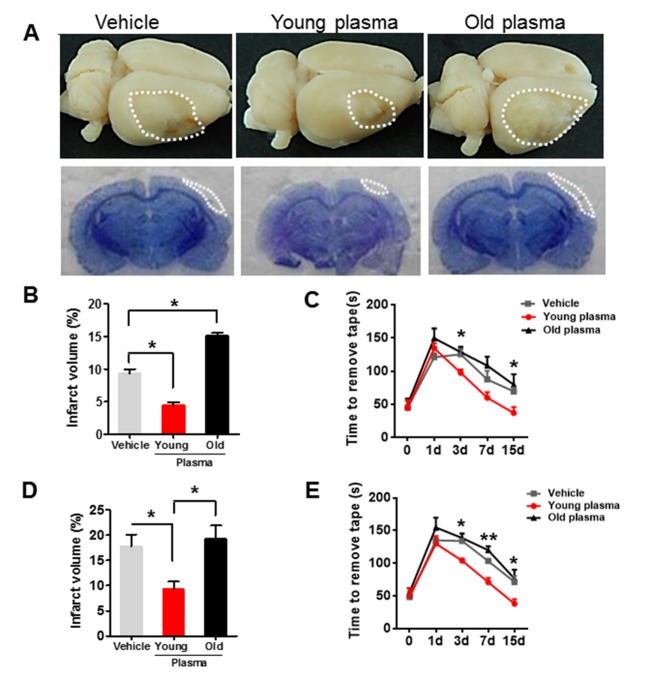
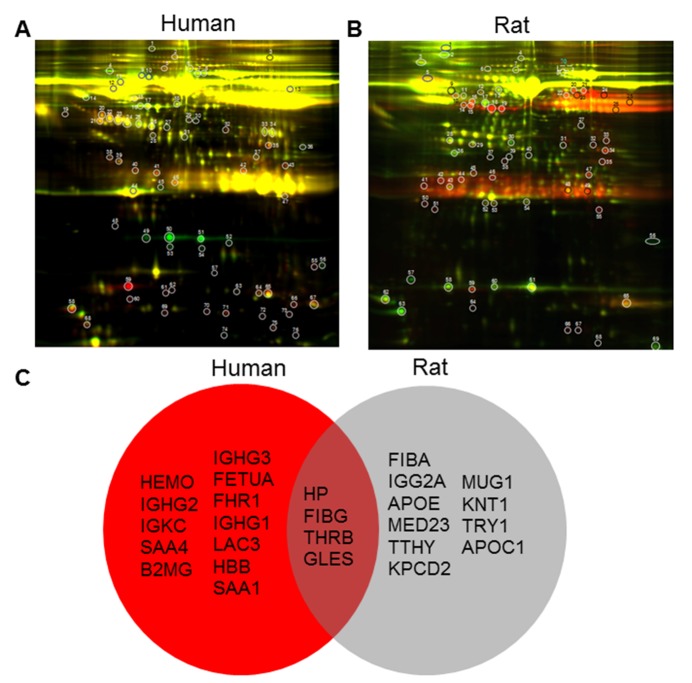
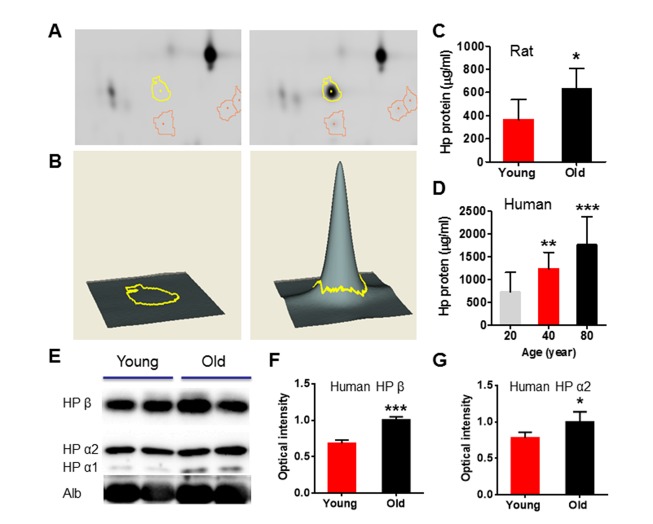
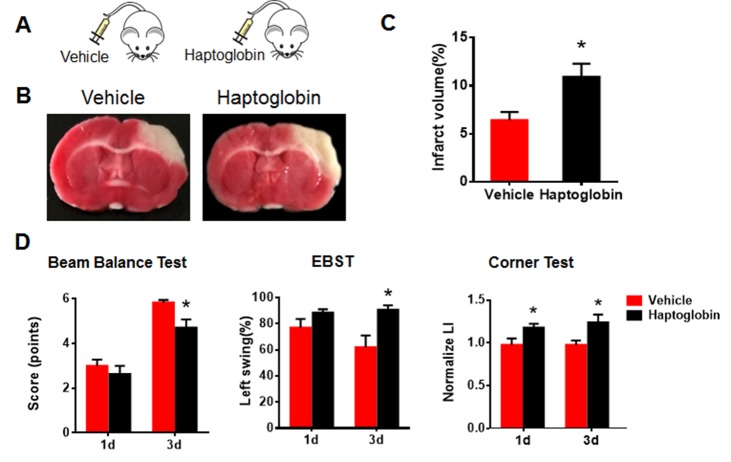
Compelling evidence indicates that factors in the blood can profoundly reverse aging-related impairments, as exposure of aged mice to young blood rejuvenates adult stem cell function, improves cognition, and ameliorates cardiac hypertrophy. Systemic factors from mice can also extend the life span of a partner exposed to a lethal treatment or disease. These findings suggest that the systemic milieu of a healthy young partner may be beneficial for an aged organism. However, it is unknown whether a healthy young systemic milieu can improve functional recovery after ischemic stroke. Intraperitoneal administration of young plasma into aged rats after ischemic stroke induced by distal middle cerebral artery occlusion (dMCAO) reduced infarct volume and motor impairment, compared with vehicle group. On the contrary, intraperitoneal administration of plasma from aged rats into young ischemic rats worsened brain injury and motor deficits. Using a proteomic approach, we found that haptoglobin levels were significantly increased in serum of aged rats and that intraperitoneal administration of haptoglobin impaired outcome after ischemic stroke in young rats. Our data suggest that the aging systemic milieu plays a critical role in functional outcome after ischemic stroke.
Keywords: haptoglobin; ischemic stroke; outcome; plasma; systemic milieu.
Figures
References
-
- Ramirez-Lassepas M (1998). Stroke and the aging of the brain and the arteries. Geriatrics, 53: S44-48. - PubMed
-
- Conboy IM, Conboy MJ, Wagers AJ, Girma ER, Weissman IL, Rando TA (2005). Rejuvenation of aged progenitor cells by exposure to a young systemic environment. Nature, 433: 760-764 - PubMed
-
- Brack AS, Conboy MJ, Roy S, Lee M, Kuo CJ, Keller C, et al. (2007). Increased Wnt signaling during aging alters muscle stem cell fate and increases fibrosis. Science, 317: 807-810 - PubMed
LinkOut - more resources
Full Text Sources
Other Literature Sources