


Current knowledge on the mechanism of atherosclerosis and pro-atherosclerotic properties of oxysterols
- PMID: 28969682
- PMCID: PMC5625595
- DOI: 10.1186/s12944-017-0579-2
Current knowledge on the mechanism of atherosclerosis and pro-atherosclerotic properties of oxysterols
Abstract
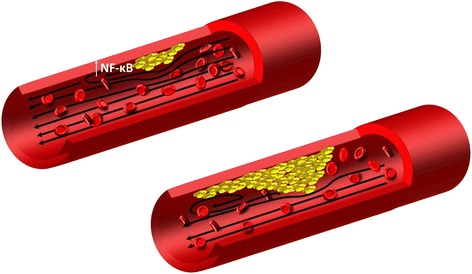
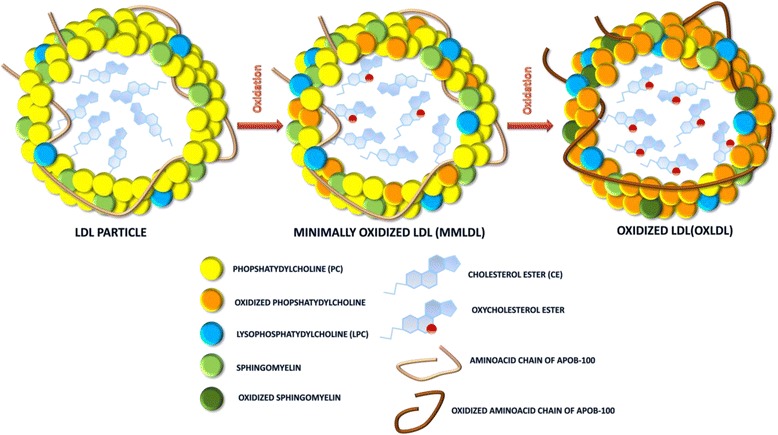
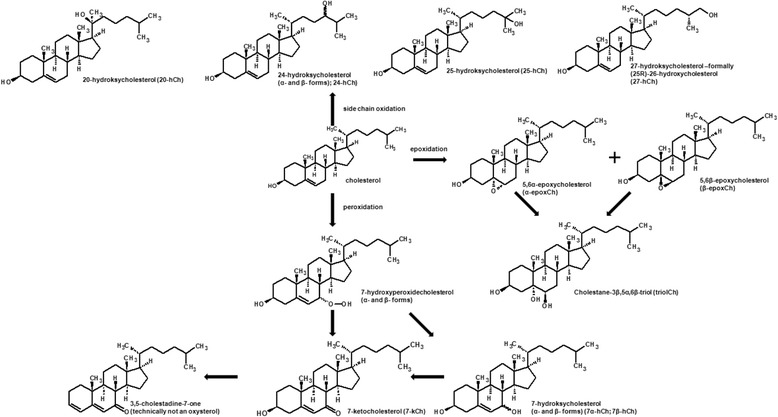
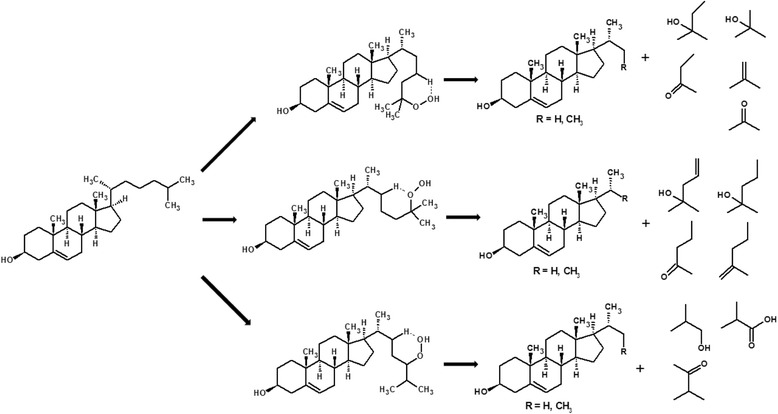
Due to the fact that one of the main causes of worldwide deaths are directly related to atherosclerosis, scientists are constantly looking for atherosclerotic factors, in an attempt to reduce prevalence of this disease. The most important known pro-atherosclerotic factors include: elevated levels of LDL, low HDL levels, obesity and overweight, diabetes, family history of coronary heart disease and cigarette smoking. Since finding oxidized forms of cholesterol - oxysterols - in lesion in the arteries, it has also been presumed they possess pro-atherosclerotic properties. The formation of oxysterols in the atherosclerosis lesions, as a result of LDL oxidation due to the inflammatory response of cells to mechanical stress, is confirmed. However, it is still unknown, what exactly oxysterols cause in connection with atherosclerosis, after gaining entry to the human body e.g., with food containing high amounts of cholesterol, after being heated. The in vivo studies should provide data to finally prove or disprove the thesis regarding the pro-atherosclerotic prosperities of oxysterols, yet despite dozens of available in vivo research some studies confirm such properties, other disprove them. In this article we present the current knowledge about the mechanism of formation of atherosclerotic lesions and we summarize available data on in vivo studies, which investigated whether oxysterols have properties to cause the formation and accelerate the progress of the disease. Additionally we will try to discuss why such different results were obtained in all in vivo studies.
Keywords: Atherosclerosis; Cholesterol; Cholesterol oxidation; LDL; Oxysterols.
Conflict of interest statement
Ethics approval and consent to participate
Not applicable.
Consent for publication
Not applicable.
Competing interests
The authors declare that they have no competing interests.
Publisher’s Note
Springer Nature remains neutral with regard to jurisdictional claims in published maps and institutional affiliations.
Figures
References
-
- Rubin JB, Borden WB. Coronary heart disease in young adults. Curr Atheroscler Rep. 2012;14:140–149. - PubMed
-
- Lichtenstein AH, Appel LJ, Brands M, Carnethon M, Daniels S, Franch HA, et al. Summary of American Heart Association Diet and Lifestyle Recommendations revision 2006. Arterioscler Thromb Vasc Biol. 2006;26:2186–2191. - PubMed
-
- Peng SK, Hu B, Morin RJ. Angiotoxicity and atherogenicity of cholesterol oxides. J Clin Lab Anal. 1991;5:144–152. - PubMed
-
- Angulo AJ, Romera JM, Ramirez M, Gil A. Determination of Cholesterol Oxides in Dairy Products. Effect of Storage Conditions. J Agric Food Chem. 1997;45:4318–4323.
-
- Brown AJ, Dean RT, Jessup W. Free and esterified oxysterol: formation during copper-oxidation of low density lipoprotein and uptake by macrophages. J Lipid Res. 1996;37:320–335. - PubMed
Publication types
MeSH terms
Substances
LinkOut - more resources
Full Text Sources
Other Literature Sources
Medical
