


Towards developing a vaccine for rheumatic heart disease
- PMID: 28971103
- PMCID: PMC5621712
- DOI: 10.21542/gcsp.2017.4
Towards developing a vaccine for rheumatic heart disease
Abstract
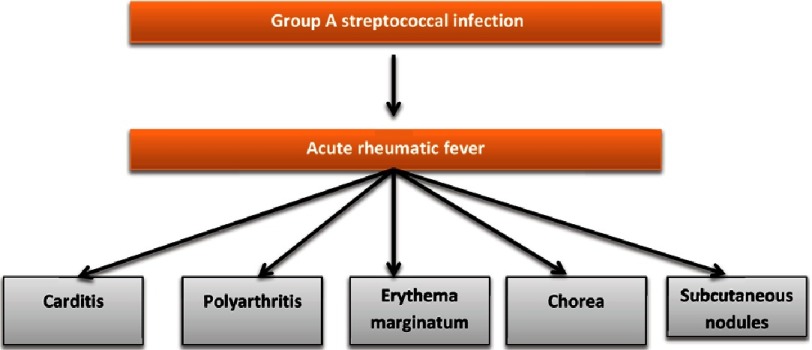
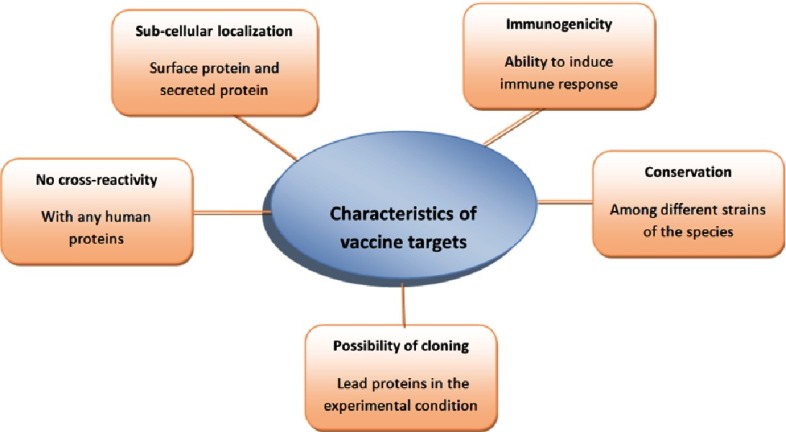
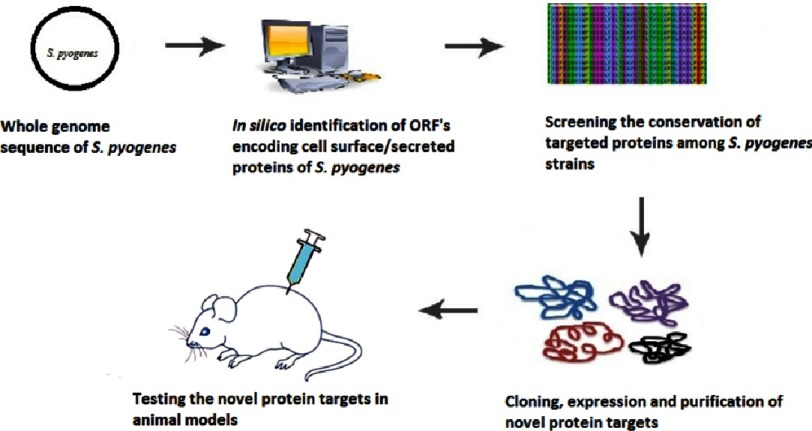
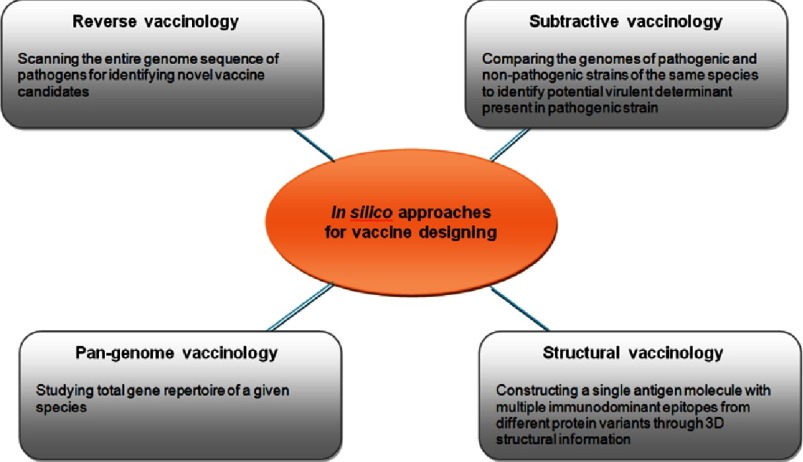
Rheumatic heart disease (RHD) is the most serious manifestations of rheumatic fever, which is caused by group A Streptococcus (GAS or Streptococcus pyogenes) infection. RHD is an auto immune sequelae of GAS pharyngitis, rather than the direct bacterial infection of the heart, which leads to chronic heart valve damage. Although antibiotics like penicillin are effective against GAS infection, improper medical care such as poor patient compliance, overcrowding, poverty, and repeated exposure to GAS, leads to acute rheumatic fever and RHD. Thus, efforts have been put forth towards developing a vaccine. However, a potential global vaccine is yet to be identified due to the widespread diversity of S. pyogenes strains and cross reactivity of streptococcal proteins with host tissues. In this review, we discuss the available vaccine targets of S. pyogenes and the significance of in silico approaches in designing a vaccine for RHD.
Figures
References
-
- Stollerman GH. Rheumatic and heritable connective tissue diseases of the cardiovascular system, vol. 11. Sanders, WB; Philadelphia: 1988.
-
- Guilherme L, Kalil J, Cunningham M. Molecular mimicry in the autoimmune pathogenesis of rheumatic heart disease. Autoimmunity. 2006;39(1):31–39. - PubMed
-
- Chang C. Cutting edge issues in rheumatic fever. Clin Rev Allergy Immunol. 2012;42(2):213–237. - PubMed
Publication types
LinkOut - more resources
Full Text Sources
Other Literature Sources