Review
. 2017 Oct 5;2(19):e94416.
doi: 10.1172/jci.insight.94416.

Microbiota, cirrhosis, and the emerging oral-gut-liver axis

Affiliations
Review

Microbiota, cirrhosis, and the emerging oral-gut-liver axis

Chathur Acharya et al. JCI Insight. .

Abstract

Cirrhosis is a prevalent cause of morbidity and mortality, especially for those at an advanced decompensated stage. Cirrhosis development and progression involves several important interorgan communications, and recently, the gut microbiome has been implicated in pathophysiology of the disease. Dysbiosis, defined as a pathological change in the microbiome, has a variable effect on the compensated versus decompensated stage of cirrhosis. Adverse microbial changes, both in composition and function, can act at several levels within the gut (stool and mucosal) and have also been described in the blood and oral cavity. While dysbiosis in the oral cavity could be a source of systemic inflammation, current cirrhosis treatment modalities are targeted toward the gut-liver axis and do not address the oral microbiome. As interventions designed to modulate oral dysbiosis may delay progression of cirrhosis, a better understanding of this process is of the utmost importance. The concept of oral microbiota dysbiosis in cirrhosis is relatively new; therefore, this review will highlight the emerging role of the oral-gut-liver axis and introduce perspectives for future research.


Conflict of interest statement

Conflict of interest: The authors have declared that no conflict of interest exists.

Figures

Figure 1
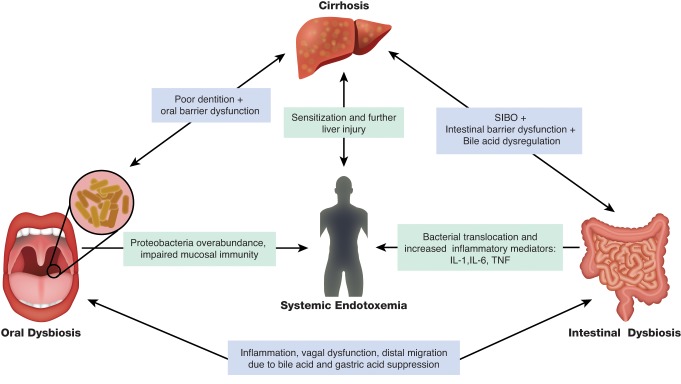
Figure 1. Proposed relationship between the gut, liver, and the oral cavity.
Inflammation in the oral cavity, liver, and the gut can lead to systemic inflammation, thereby inducing endotoxemia as the result of an increase in the relative abundance of potentially pathogenic microbiota in the gut and oral cavity, along with impaired mucosal and systemic immune response and a dampened ability of the liver to handle these insults. Alterations in bile acid profile, gastric acid suppression and potential neuro-hormonal changes that are inherent in cirrhosis also conspire to generate this systemic proinflammatory milieu. SIBO, small intestinal bacterial overgrowth. Illustrated by Rachel Davidowitz.

References

    1. Scaglione S, et al. The epidemiology of cirrhosis in the United States: A Population-based Study. J Clin Gastroenterol. 2015;49(8):690–696. doi: 10.1097/MCG.0000000000000208. - DOI - PubMed
    1. Younossi ZM, et al. Changes in the prevalence of the most common causes of chronic liver diseases in the United States from 1988 to 2008. Clin Gastroenterol Hepatol. 2011;9(6):524–530. doi: 10.1016/j.cgh.2011.03.020. .e1; quiz e60. - DOI - PubMed
    1. Browning JD, et al. Prevalence of hepatic steatosis in an urban population in the United States: impact of ethnicity. Hepatology. 2004;40(6):1387–1395. doi: 10.1002/hep.20466. - DOI - PubMed
    1. Bajaj JS, et al. Altered profile of human gut microbiome is associated with cirrhosis and its complications. J Hepatol. 2014;60(5):940–947. doi: 10.1016/j.jhep.2013.12.019. - DOI - PMC - PubMed
    1. Chen Y, et al. Characterization of fecal microbial communities in patients with liver cirrhosis. Hepatology. 2011;54(2):562–572. doi: 10.1002/hep.24423. - DOI - PubMed

Publication types