


The significance of circadian rhythms and dysrhythmias in critical illness
- PMID: 28979558
- PMCID: PMC5606425
- DOI: 10.1177/1751143717692603
The significance of circadian rhythms and dysrhythmias in critical illness
Abstract
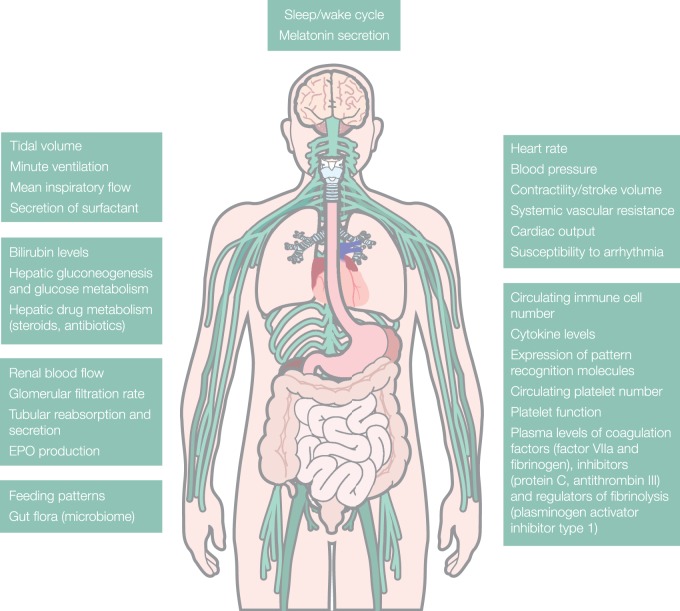
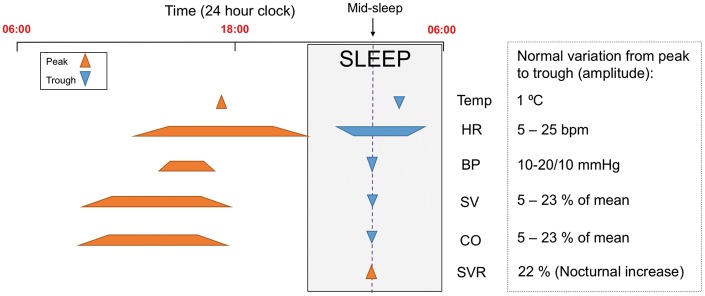
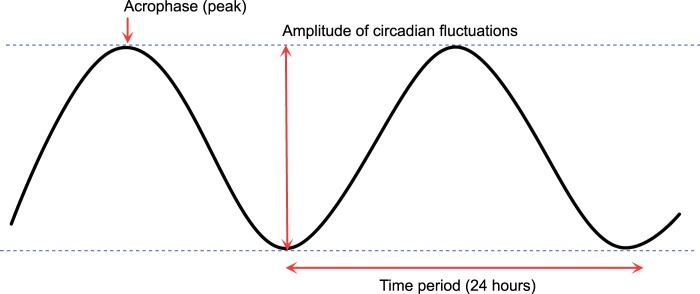
Many physiological and cellular processes cycle with time, with the period between one peak and the next being roughly equal to 24 h. These circadian rhythms underlie 'permissive homeostasis', whereby anticipation of periods of increased energy demand or stress may enhance the function of individual cells, organ systems or whole organisms. Many physiological variables related to survival during critical illness have a circadian rhythm, including the sleep/wake cycle, haemodynamic and respiratory indices, immunity and coagulation, but their clinical significance remains underappreciated. Critically ill patients suffer from circadian dysrhythmia, manifesting overtly as sleep disturbance and delirium, but with widespread covert effects on cellular and organ function. Environmental and pharmacological strategies that ameliorate or prevent circadian dysrhythmia have demonstrated clinical benefit. Harnessing these important biological phenomena to match metabolic supply to demand and bolster cell defenses at the apposite time may be a future therapeutic strategy in the intensive care unit.
Keywords: Chronobiology disorders; biological clocks; circadian rhythms; critical illness; physiology.
Figures
References
-
- Thaiss CA, Levy M, Korem T, et al. Microbiota diurnal rhythmicity programs host transcriptome oscillations. Cell 2016; 167: 1495–1510. - PubMed
-
- Esquifino AI, Cano P, Jiménez-Ortega V, et al. Neuroendocrine-immune correlates of circadian physiology: studies in experimental models of arthritis, ethanol feeding, aging, social isolation, and calorie restriction. Endocrine 2007; 32: 1–19. - PubMed
-
- Dunlap JC. Molecular bases for circadian clocks. Cell 1999; 96: 271–290. - PubMed
-
- Bray MS, Shaw CA, Moore MW, et al. Disruption of the circadian clock within the cardiomyocyte influences myocardial contractile function, metabolism, and gene expression. Am J Physiol Heart Circ Physiol 2008; 294: H1036–H1047. - PubMed
Publication types
LinkOut - more resources
Full Text Sources
Other Literature Sources