


The role of polyphenols in modern nutrition
- PMID: 28983192
- PMCID: PMC5601283
- DOI: 10.1111/nbu.12278
The role of polyphenols in modern nutrition
Abstract
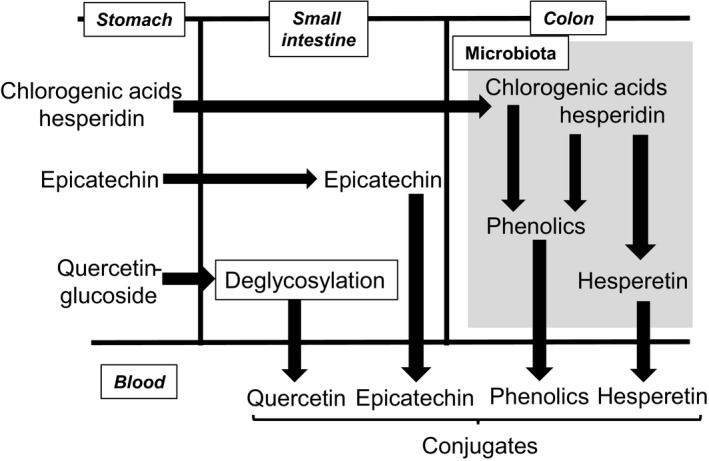
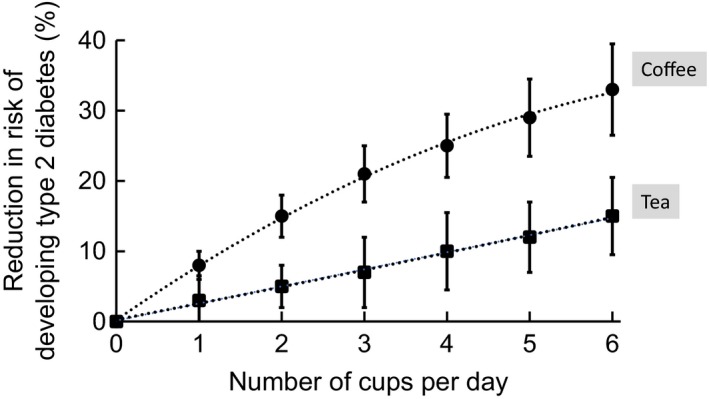
Polyphenols are found in plant-based foods and beverages, notably apples, berries, citrus fruit, plums, broccoli, cocoa, tea and coffee and many others. There is substantial epidemiological evidence that a diet high in polyphenol-rich fruit, vegetables, cocoa and beverages protects against developing cardiovascular disease and type 2 diabetes. The absorption and metabolism of these compounds have been well described and, for many, the gut microbiota play a critical role in absorption; taking into consideration the parent compound and the metabolites from colon bacteria catabolism, more than 80% of a dose can be absorbed and ultimately excreted in the urine. Common polyphenols in the diet are flavanols (cocoa, tea, apples, broad beans), flavanones (hesperidin in citrus fruit), hydroxycinnamates (coffee, many fruits), flavonols (quercetin in onions, apples and tea) and anthocyanins (berries). Many intervention studies, mechanistic in vitro data and epidemiological studies support a role for polyphenols against the development of chronic diseases. For example, flavanols decrease endothelial dysfunction, lower blood pressure and cholesterol, and modulate energy metabolism. Coffee and tea both reduce the risk of developing type 2 diabetes, through action of their constituent polyphenols. Despite extensive research, the exact mechanisms of action of polyphenols in the human body have not been decisively proven, but there is strong evidence that some targets such as nitric oxide metabolism, carbohydrate digestion and oxidative enzymes are important for health benefits. Consumption of polyphenols as healthy dietary components is consistent with the advice to eat five or more portions of fruit and vegetables per day, but it is currently difficult to recommend what 'doses' of specific polyphenols should be consumed to derive maximum benefit.
Keywords: cardiovascular disease; coffee; flavonoids; fruit; tea; type 2 diabetes.
Figures
References
-
- Actis‐Goretta L, Leveques A, Giuffrida F et al (2012) Elucidation of (‐)‐epicatechin metabolites after ingestion of chocolate by healthy humans. Free Radical Biology and Medicine 53: 787–95. - PubMed
-
- Actis‐Goretta L, Dew TP, Leveques A et al (2015) Gastrointestinal absorption and metabolism of hesperetin‐7‐O‐rutinoside and hesperetin‐7‐O‐glucoside in healthy humans. Molecular Nutrition and Food Research 59: 1651–62. - PubMed
-
- Arab L (2010) Epidemiologic evidence on coffee and cancer. Nutrition and Cancer 62: 271–83. - PubMed
-
- Bakuradze T, Boehm N, Janzowski C et al (2011) Antioxidant‐rich coffee reduces DNA damage, elevates glutathione status and contributes to weight control: results from an intervention study. Molecular Nutrition and Food Research 55: 793–7. - PubMed
Publication types
LinkOut - more resources
Full Text Sources
Other Literature Sources
