


Pak1 mediates the stimulatory effect of insulin and curcumin on hepatic ChREBP expression
- PMID: 28992163
- PMCID: PMC5907843
- DOI: 10.1093/jmcb/mjx031
Pak1 mediates the stimulatory effect of insulin and curcumin on hepatic ChREBP expression
Abstract
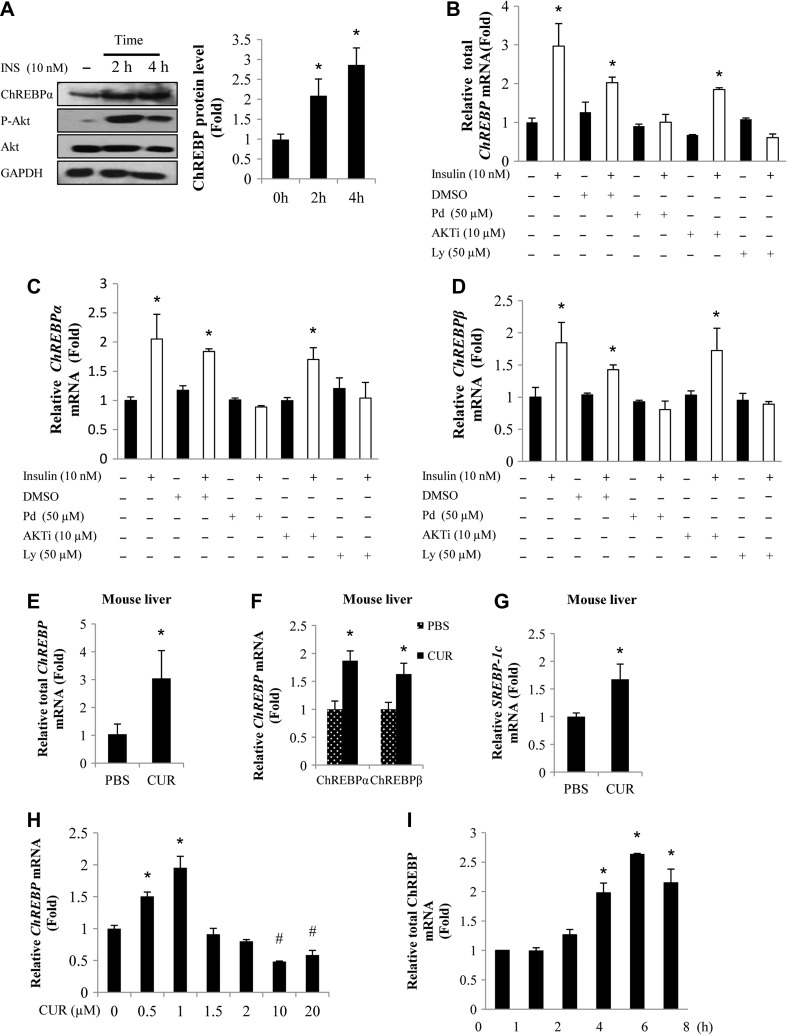
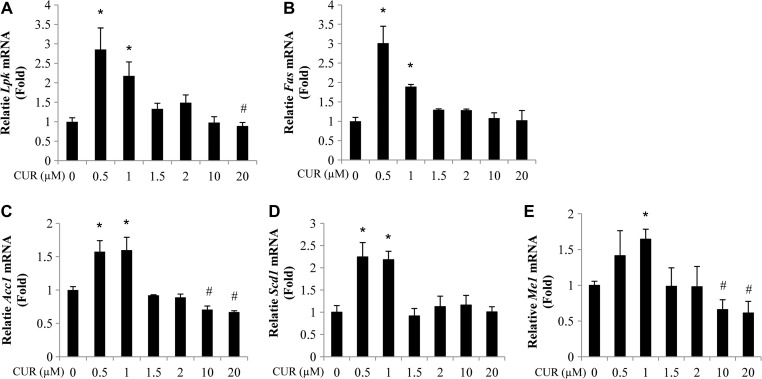
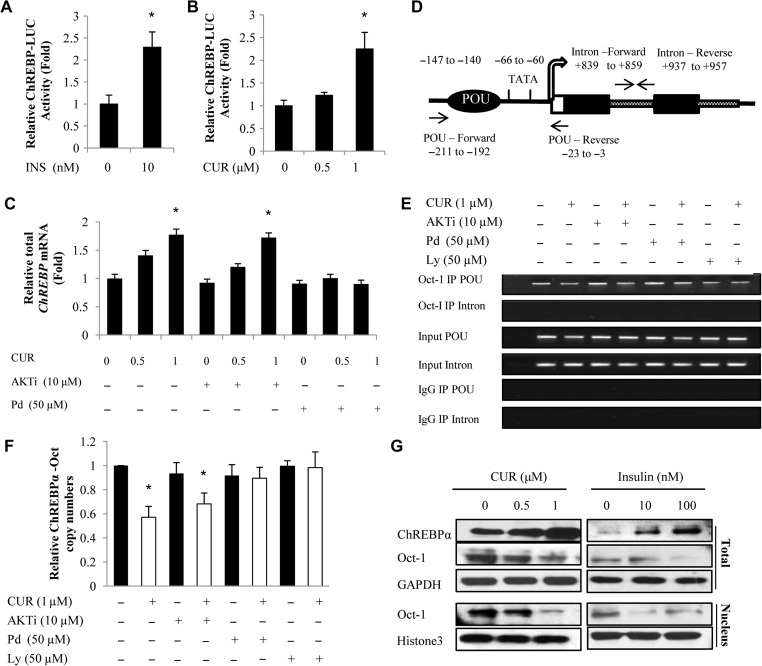
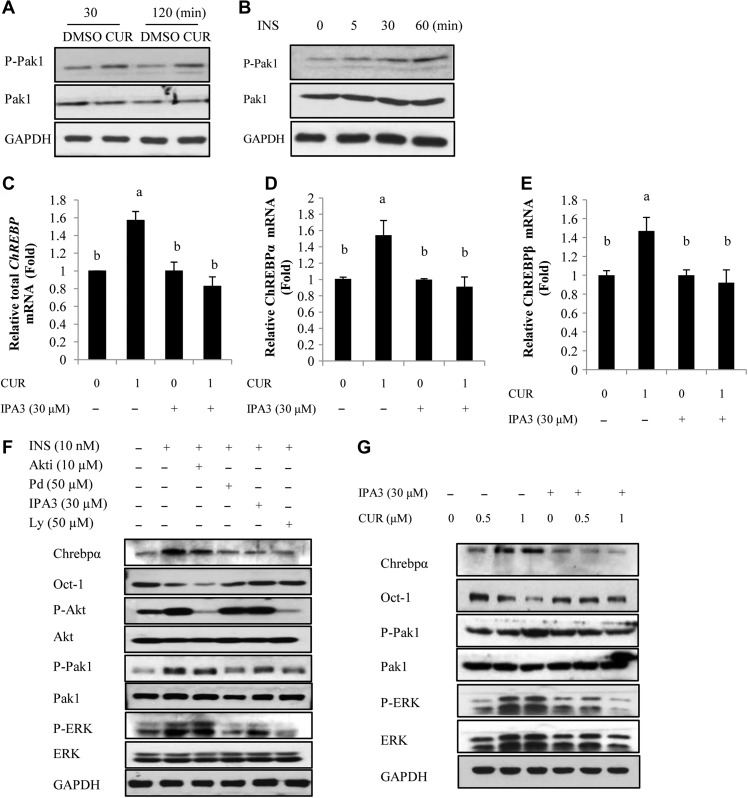
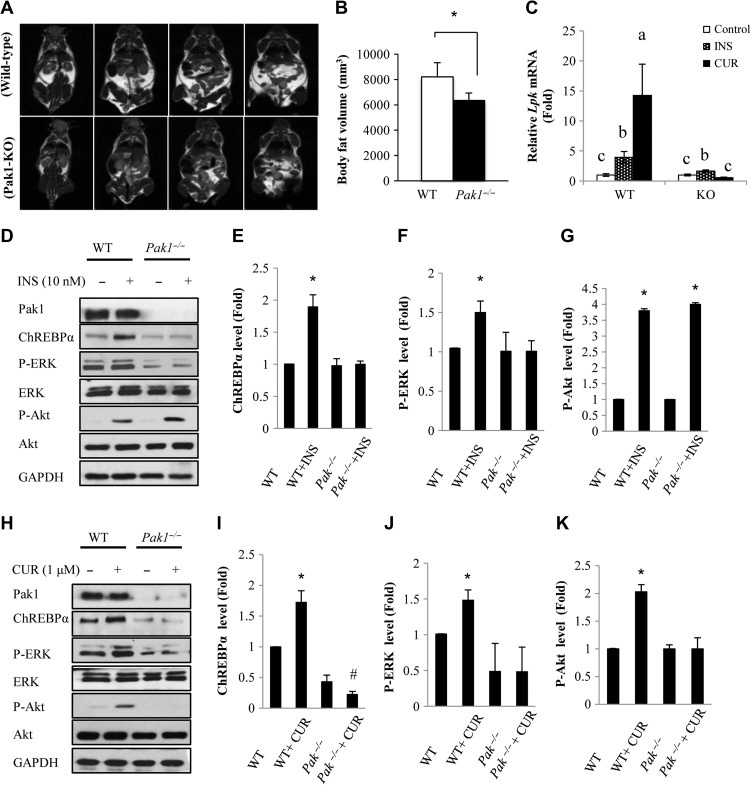
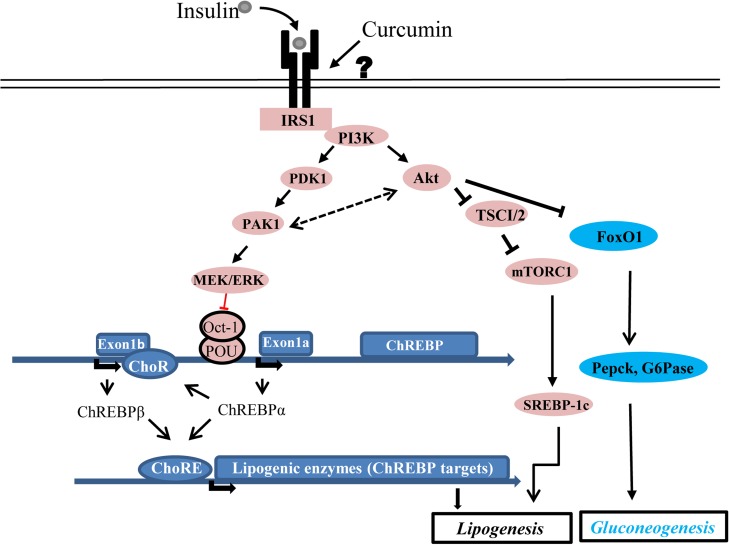
Insulin can stimulate hepatic expression of carbohydrate-responsive element-binding protein (ChREBP). As recent studies revealed potential metabolic beneficial effects of ChREBP, we asked whether its expression can also be regulated by the dietary polyphenol curcumin. We also aimed to determine mechanisms underlying ChREBP stimulation by insulin and curcumin. The effect of insulin on ChREBP expression was assessed in mouse hepatocytes, while the effect of curcumin was assessed in mouse hepatocytes and with curcumin gavage in mice. Chemical inhibitors for insulin signaling molecules were utilized to identify involved signaling molecules, and the involvement of p21-activated protein kinase 1 (Pak1) was determined with its chemical inhibitor and Pak1-/- hepatocytes. We found that both insulin and curcumin-stimulated ChREBP expression in Akt-independent but MEK/ERK-dependent manner, involving the inactivation of the transcriptional repressor Oct-1. Aged Pak1-/- mice showed reduced body fat volume. Pak1 inhibition or its genetic deletion attenuated the stimulatory effect of insulin or curcumin on ChREBP expression. Our study hence suggests the existence of a novel signaling cascade Pak1/MEK/ERK/Oct-1 for both insulin and curcumin in exerting their glucose-lowering effect via promoting hepatic ChREBP production, supports the recognition of beneficial functions of ChREBP, and brings us a new overview on dietary polyphenols.
Keywords: Akt; ChREBP; Oct-1; Pak1; curcumin; dietary polyphenol intervention; insulin.
© The Author (2017). Published by Oxford University Press on behalf of Journal of Molecular Cell Biology, IBCB, SIBS, CAS. All rights reserved.
Figures
References
-
- Amiot M.J., Riva C., and Vinet A. (2016). Effects of dietary polyphenols on metabolic syndrome features in humans: a systematic review. Obes. Rev. 17, 573–586. - PubMed
-
- Anhe F.F., Roy D., Pilon G., et al. (2015). A polyphenol-rich cranberry extract protects from diet-induced obesity, insulin resistance and intestinal inflammation in association with increased Akkermansia spp. population in the gut microbiota of mice. Gut 64, 872–883. - PubMed
-
- Cai X.Z., Wang J., Li X.D., et al. (2009). Curcumin suppresses proliferation and invasion in human gastric cancer cells by downregulation of PAK1 activity and cyclin D1 expression. Cancer Biol. Ther. 8, 1360–1368. - PubMed
MeSH terms
Substances
Grants and funding
LinkOut - more resources
Full Text Sources
Other Literature Sources
Medical
Molecular Biology Databases
Research Materials
Miscellaneous
