


Neural activity during affect labeling predicts expressive writing effects on well-being: GLM and SVM approaches
- PMID: 28992270
- PMCID: PMC5629828
- DOI: 10.1093/scan/nsx084
Neural activity during affect labeling predicts expressive writing effects on well-being: GLM and SVM approaches
Abstract
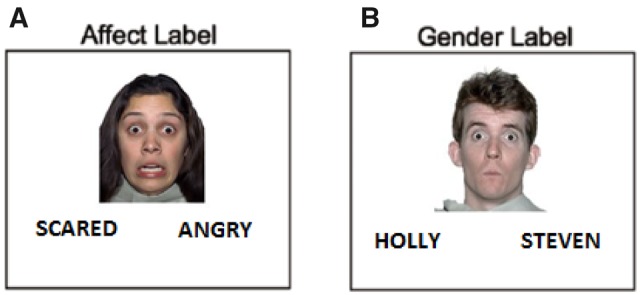
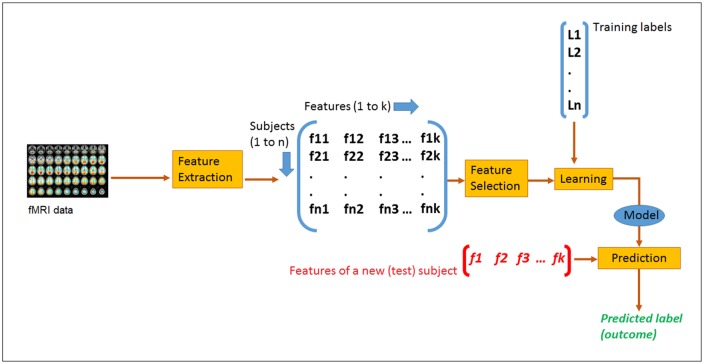
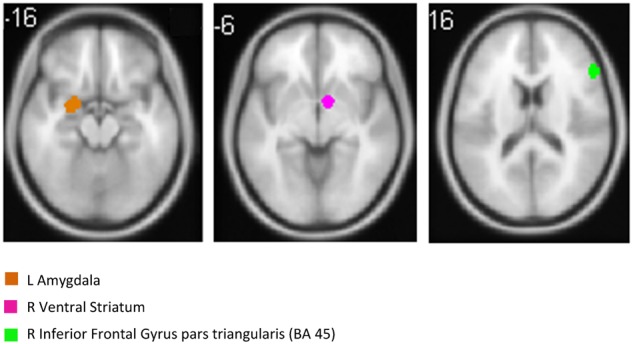
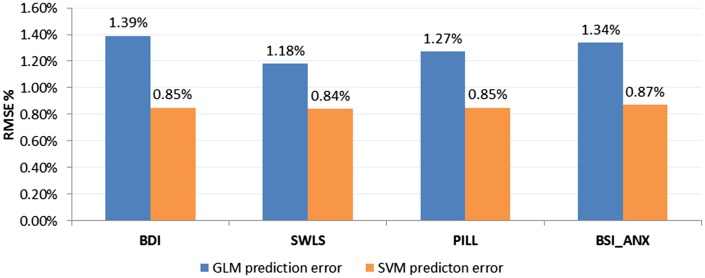
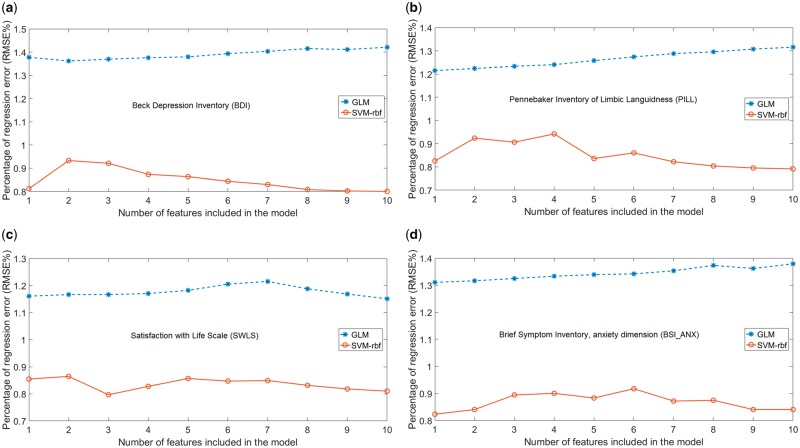
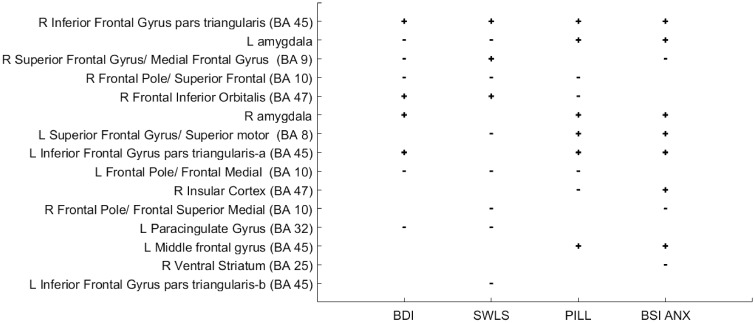
Affect labeling (putting feelings into words) is a form of incidental emotion regulation that could underpin some benefits of expressive writing (i.e. writing about negative experiences). Here, we show that neural responses during affect labeling predicted changes in psychological and physical well-being outcome measures 3 months later. Furthermore, neural activity of specific frontal regions and amygdala predicted those outcomes as a function of expressive writing. Using supervised learning (support vector machines regression), improvements in four measures of psychological and physical health (physical symptoms, depression, anxiety and life satisfaction) after an expressive writing intervention were predicted with an average of 0.85% prediction error [root mean square error (RMSE) %]. The predictions were significantly more accurate with machine learning than with the conventional generalized linear model method (average RMSE: 1.3%). Consistent with affect labeling research, right ventrolateral prefrontal cortex (RVLPFC) and amygdalae were top predictors of improvement in the four outcomes. Moreover, RVLPFC and left amygdala predicted benefits due to expressive writing in satisfaction with life and depression outcome measures, respectively. This study demonstrates the substantial merit of supervised machine learning for real-world outcome prediction in social and affective neuroscience.
Keywords: affect labeling; expressive writing; functional magnetic resonance imaging (fMRI); supervised learning; support vector machines.
© The Author (2017). Published by Oxford University Press.
Figures
References
-
- Alizadeh A.A., et al. (2000). Distinct types of diffuse large B-cell lymphoma identified by gene expression profiling. Nature, 403, 503–11. - PubMed
-
- Baikie K.A., Wilhelm K. (2005). Emotional and physical health benefits of expressive writing. Advances in Psychiatric Treatment, 11(5), 338–46.
-
- Beck A.T., Steer R.A. (1984). Internal consistencies of the original and revised Beck Depression Inventory. Journal of Clinical Psychology, 40, 1365–7. - PubMed
MeSH terms
Grants and funding
LinkOut - more resources
Full Text Sources
Other Literature Sources
