


Exercise and the Cortisol Awakening Response: A Systematic Review
- PMID: 29019089
- PMCID: PMC5635140
- DOI: 10.1186/s40798-017-0102-3
Exercise and the Cortisol Awakening Response: A Systematic Review
Abstract
Background: The cortisol awakening response (CAR) has been used as a biomarker of stress response in a multitude of psychological investigations. While a myriad of biochemical responses have been proposed to monitor responses to exercise training, the use of CAR within the exercise and sports sciences is currently limited and is a potentially underutilized variable. Therefore, the purpose of this review was to collate studies that incorporate both exercise and CAR, in an effort to better understand (a) whether CAR is a useful marker for monitoring exercise stress and (b) how CAR may be most appropriately used in future research.
Methods: A systematic review of the literature was conducted, following PRISMA guidelines. Searches were conducted using PubMed, SportDISCUS, Scopus, and PsychInfo databases, using search terms related toCAR and exercise and physical activity.
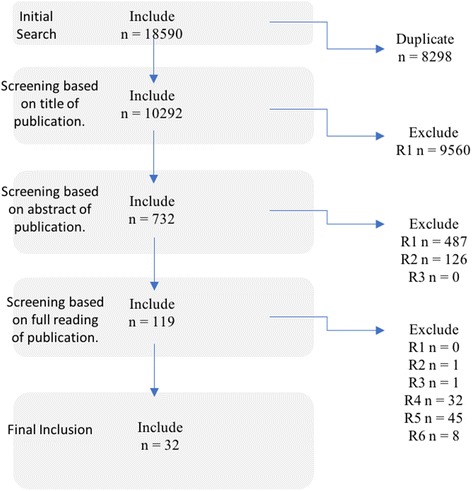
Results: 10,292 articles were identified in the initial search, with 32 studies included in the final analysis. No studies investigated the effects of laboratory-controlled exercise on CAR. Variable effects were observed, possibly due to inconsistencies in study design, methodology, population, and CAR analysis. The available literature suggests a threshold of exercise may be required to alter the HPA axis and affect CAR. Moreover, CAR may represent a combination of previous exercise load and upcoming stress, making current interpretation of field-based observational research challenging.
Conclusions: More research is needed to fully elucidate the influence of exercise on CAR and address a number of gaps in the literature, including controlling exercise load, consistent sample collection, and CAR calculation and analysis.
Keywords: Athletes; Biomarker; Monitoring; Overtraining; Stress.
Conflict of interest statement
Ethics Approval and Consent to Participate
Not applicable
Consent for Publication
Authors Travis Anderson and Laurie Wideman both grant permission for publication of this manuscript.
Competing Interests
Authors Travis Anderson and Laurie Wideman have no competing interests to declare.
Publisher’s Note
Springer Nature remains neutral with regard to jurisdictional claims in published maps and institutional affiliations.
Figures
References
-
- Bellenger CR, Thomson RL, Robertson EY, Davison K, Nelson MJ, Karavirta L, et al. The effect of functional overreaching on parameters of autonomic heart rate regulation. Eur J Appl Physiol. 2017;117:541–50. - PubMed
Publication types
LinkOut - more resources
Full Text Sources
Other Literature Sources
