


Irritable bowel syndrome diagnosis and management: A simplified algorithm for clinical practice
- PMID: 29026591
- PMCID: PMC5625880
- DOI: 10.1177/2050640617731968
Irritable bowel syndrome diagnosis and management: A simplified algorithm for clinical practice
Abstract
Background: Effective management of irritable bowel syndrome (IBS), a common functional gastrointestinal disorder, can be challenging for physicians because of the lack of simple diagnostic tests and the wide variety of treatment approaches available.
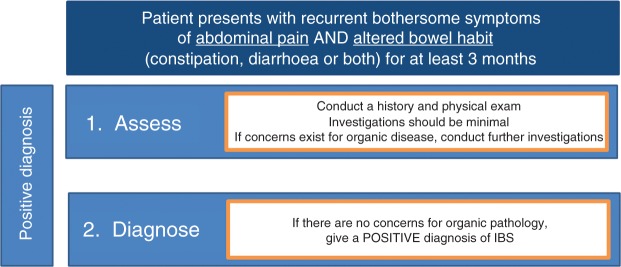
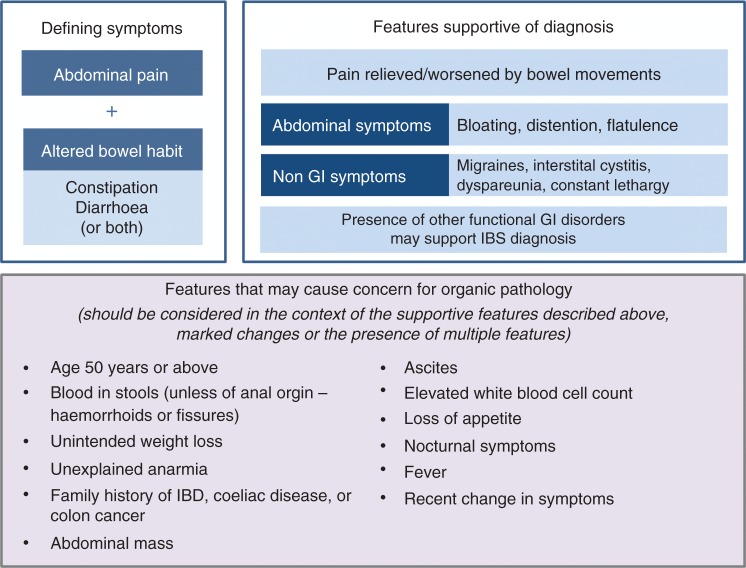
Objective: The objective of this article is to outline a simple algorithm for day-to-day clinical practice to help physicians navigate key stages to reaching a positive IBS diagnosis and guidance on how to prioritise the use of specific management strategies.
Methods: This algorithm was based on the opinion of an expert panel evaluating current evidence.
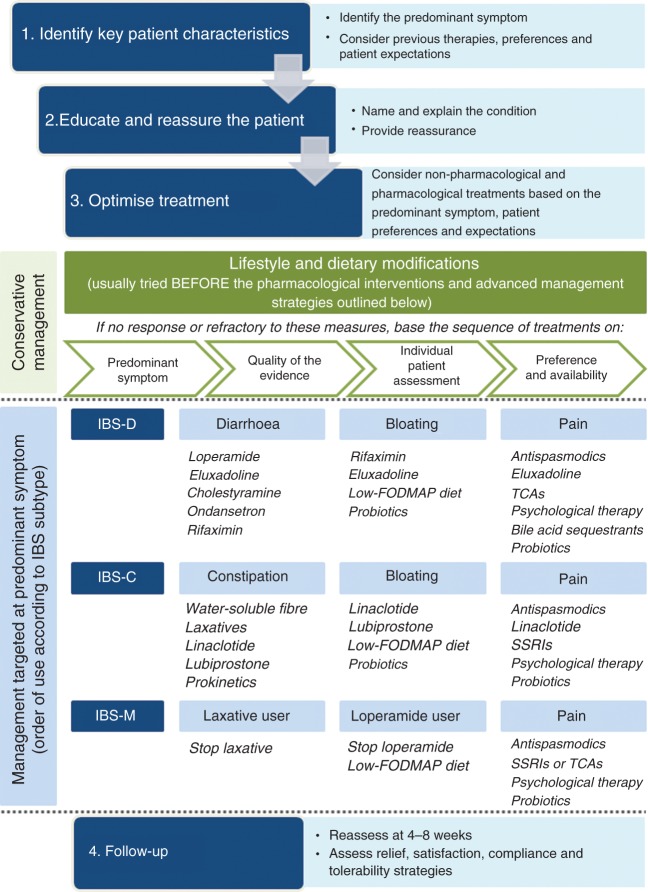
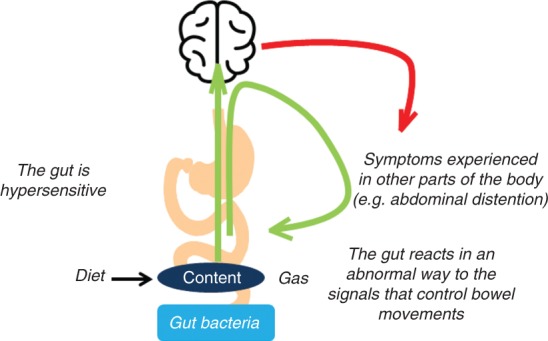
Results: The key principles forming the foundation of this evidence-supported algorithm are: confidently naming and explaining an IBS diagnosis for the patient, followed by assessment of key patient characteristics likely to influence the choice of therapy, such as predominant symptoms, and exploring the patient agenda and preferences. Consultation should always include education and reassurance with an explanatory model of IBS tailored to the patient. Individualised lifestyle changes, dietary modifications, pharmacological therapies, psychological strategies or a combination of interventions may be used to optimise treatment for each patient.
Conclusion: The simple visual tools developed here navigate the key stages to reaching a positive diagnosis of IBS, and provide a stepwise approach to patient-centred management targeted towards the most bothersome symptoms. Establishing a strong patient-physician relationship is central to all stages of the patient journey from diagnosis to effective management.
Keywords: Irritable bowel syndrome; diagnosis; management; treatment.
Figures
References
-
- Sperber AD, Dumitrascu D, Fukudo S, et al. The global prevalence of IBS in adults remains elusive due to the heterogeneity of studies: A Rome Foundation working team literature review. Gut 2016; 66: 1075–1082. - PubMed
-
- Drossman DA, Chang L, Bellamy N, et al. Severity in irritable bowel syndrome: A Rome Foundation Working Team report. Am J Gastroenterol 2011; 106: 1749–1759. quiz 1760. - PubMed
-
- Farndale R, Roberts L. Long-term impact of irritable bowel syndrome: A qualitative study. Prim Health Care Res Dev 2011; 12: 52–67. - PubMed
-
- Lacy BE, Mearin F, Chang L, et al. Bowel disorders. Gastroenterology 2016; 150: 1393–1407.e1395. - PubMed
-
- Sood R, Camilleri M, Gracie DJ, et al. Enhancing diagnostic performance of symptom-based criteria for irritable bowel syndrome by additional history and limited diagnostic evaluation. Am J Gastroenterol 2016; 111: 1446–1454. - PubMed
Publication types
LinkOut - more resources
Full Text Sources
Other Literature Sources
