


The Neurobiological Mechanism of Chemical Aversion (Emetic) Therapy for Alcohol Use Disorder: An fMRI Study
- PMID: 29033802
- PMCID: PMC5625029
- DOI: 10.3389/fnbeh.2017.00182
The Neurobiological Mechanism of Chemical Aversion (Emetic) Therapy for Alcohol Use Disorder: An fMRI Study
Abstract
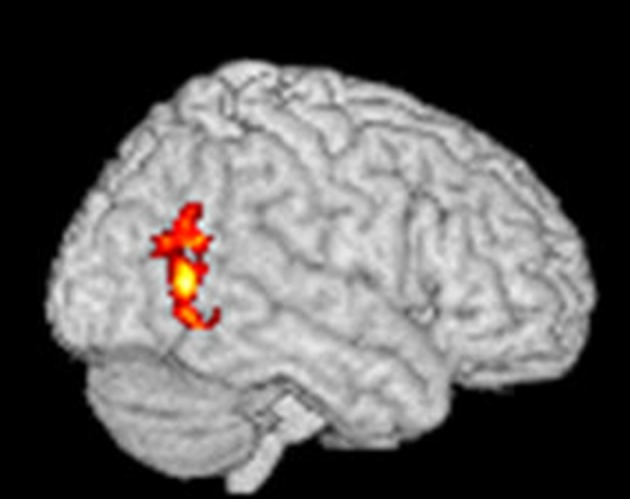
A recent NIH epidemiology study found the lifetime prevalence of alcohol use disorder in the United States to be 29%. Alcohol drinking behavior is strongly "learned" via pleasure center activation/reinforcement. Alcohol craving is a powerful desire to drink alcoholic beverages. Craving was added as one of the defining criteria for alcohol use disorder in DSM5, and craving reduction is becoming an increasingly important treatment goal. In the current study, patients with alcohol use disorder received 10 days of inpatient multi-modal treatments at Schick Shadel Hospital (SSH) of Seattle. The treatments included five chemical aversion conditioning sessions that associated alcohol cues (and alcohol) with nausea and emesis. All patients met DSM4 criteria for alcohol use disorder, were heavy drinkers, and reported craving alcohol pre-treatment. Craving reduction was one of the primary treatment goals. This is the first fMRI study to measure the effects of chemical aversion therapy on alcohol craving-related brain activity. Patients were recruited as subjects for the University of Washington (UW) brain scan study following SSH admission but before treatment onset. Prior to treatment, patients reported craving/desire for alcohol. After treatment (after four SSH chemical aversion treatments, again after five SSH chemical treatments, 30 and 90-days post-discharge), these same patients reported avoidance/aversion to alcohol. Most of the participants (69%) reported being still sober 12 months post-treatment. Consistent with a craving reduction mechanism of how chemical aversion therapy facilitates sobriety, results of the UW fMRI brain scans showed significant pre- to post-treatment reductions in craving-related brain activity in the occipital cortex. Additional fMRI brain scan studies are needed to further explore the neurobiological mechanism of chemical aversion therapy treatment for alcohol use disorder, and other substance use disorders for which chemical aversion therapy is used (e.g., opioid dependence and cocaine dependence). Substance use disorders are estimated to affect well over one billion people worldwide.
Keywords: addiction; alcohol; alcohol treatment; aversive conditioning; craving; craving-related brain activity; fMRI; opioid.
Figures

References
-
- American Psychiatric Association (2000). Diagnostic and Statistical Manual of Mental Disorders: DSM-IV-TR. Washington, DC: American Psychiatric Association.
-
- American Psychiatric Association (2013). Diagnostic and Statistical Manual of Mental Disorders, 5th Edn. Washington, DC: American Psychiatric Association.
-
- Bowen S., Witkiewitz K., Clifasefi S. L., Grow J., Chawla N., Hsu S. H., et al. (2014). Relative efficacy of mindfulness-based relapse prevention, standard relapse prevention and treatment as usual for substance use disorders. JAMA Psychiatry 71, 547–556. 10.1001/jamapsychiatry.2013.4546 - DOI - PMC - PubMed
Grants and funding
LinkOut - more resources
Full Text Sources
Other Literature Sources
Miscellaneous
