


Newly Isolated Bacteriophages from the Podoviridae, Siphoviridae, and Myoviridae Families Have Variable Effects on Putative Novel Dickeya spp
- PMID: 29033917
- PMCID: PMC5626979
- DOI: 10.3389/fmicb.2017.01870
Newly Isolated Bacteriophages from the Podoviridae, Siphoviridae, and Myoviridae Families Have Variable Effects on Putative Novel Dickeya spp
Abstract
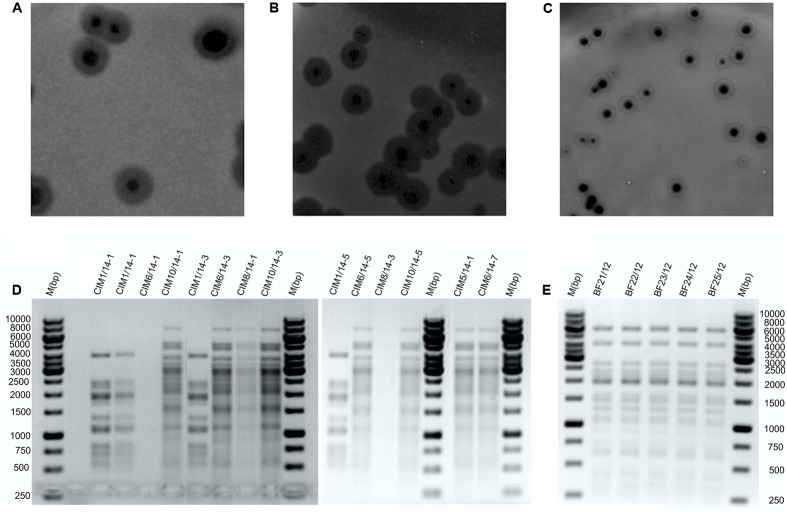
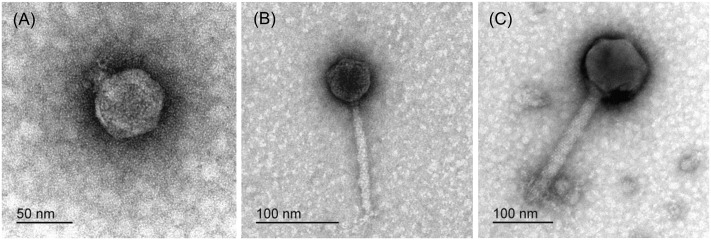
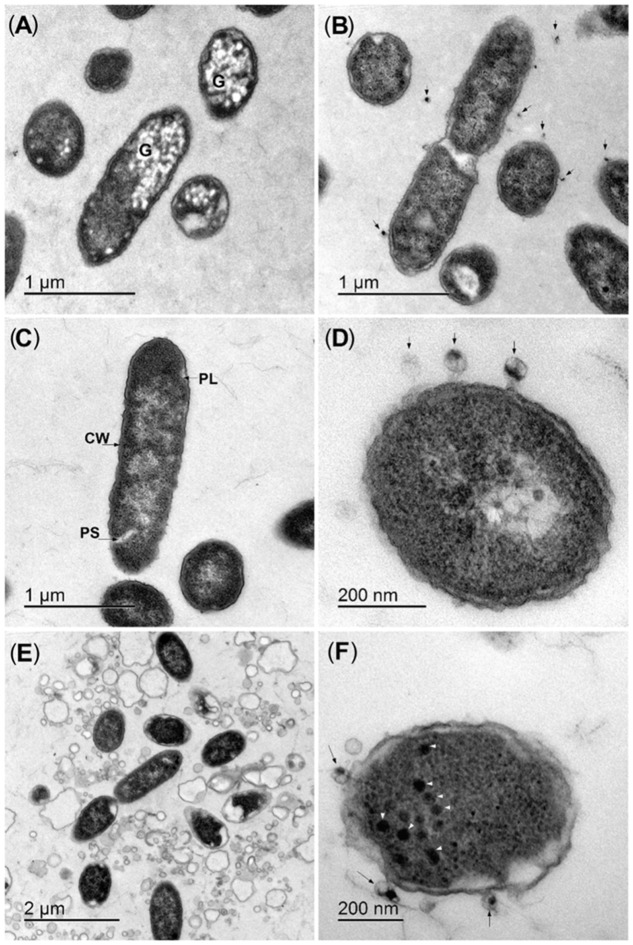
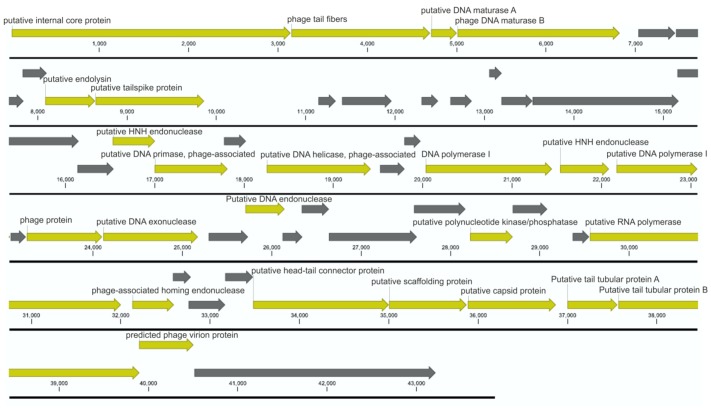
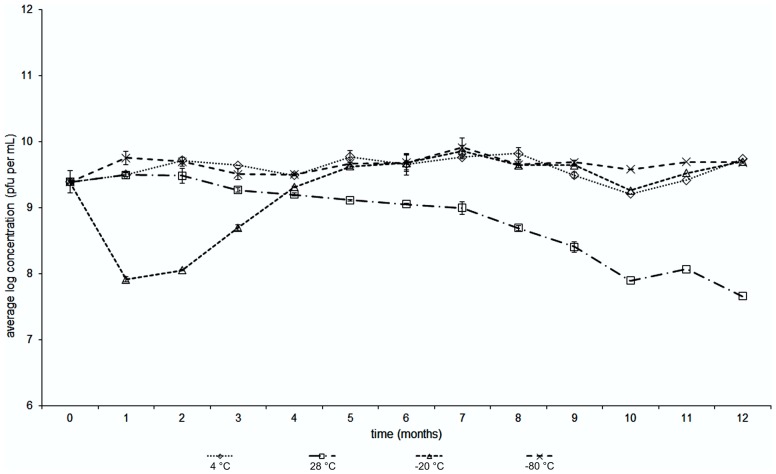
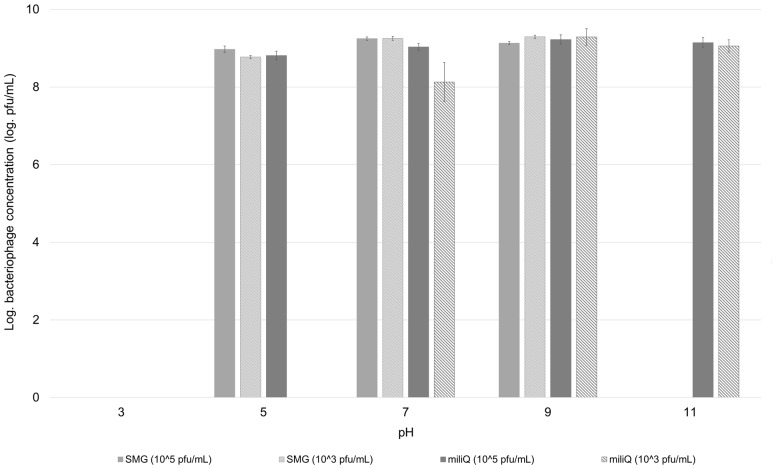
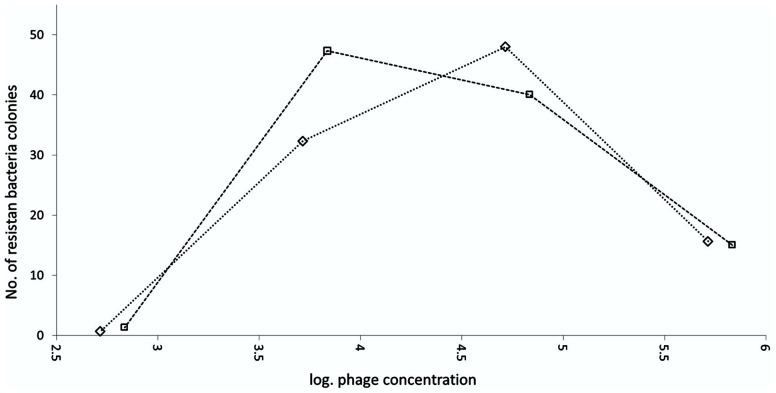
Soft rot pathogenic bacteria from the genus Dickeya cause severe economic losses in orchid nurseries worldwide, and there is no effective control currently available. In the last decade, the genus Dickeya has undergone multiple changes as multiple new taxa have been described, and just recently a new putative Dickeya species was reported. This study reports the isolation of three bacteriophages active against putative novel Dickeya spp. isolates from commercially produced infected orchids that show variable host-range profiles. Bacteriophages were isolated through enrichment from Dickeya-infected orchid tissue. Convective interaction media monolith chromatography was used to isolate bacteriophages from wastewaters, demonstrating its suitability for the isolation of infective bacteriophages from natural sources. Based on bacteriophage morphology, all isolated bacteriophages were classified as being in the order Caudovirales, belonging to three different families, Podoviridae, Myoviridae, and Siphoviridae. The presence of three different groups of bacteriophages was confirmed by analyzing the bacteriophage specificity of bacterial hosts, restriction fragment length polymorphism and plaque morphology. Bacteriophage BF25/12, the first reported Podoviridae bacteriophage effective against Dickeya spp., was selected for further characterization. Its genome sequence determined by next-generation sequencing showed limited similarity to other characterized Podoviridae bacteriophages. Interactions among the bacteriophages and Dickeya spp. were examined using transmission electron microscopy, which revealed degradation of electron-dense granules in response to bacteriophage infection in some Dickeya strains. The temperature stability of the chosen Podoviridae bacteriophage monitored over 1 year showed a substantial decrease in the survival of bacteriophages stored at -20°C over longer periods. It showed susceptibility to low pH and UV radiation but was stable in neutral and alkaline pH. Furthermore, the stability of the tested bacteriophage was also connected to the incubation medium and bacteriophage concentration at certain pH values. Finally, the emergence of bacteriophage-resistant bacterial colonies is highly connected to the concentration of bacteriophages in the bacterial environment. This is the first report on bacteriophages against Dickeya from the Podoviridae family to expand on potential bacteriophages to include in bacteriophage cocktails as biocontrol agents. Some of these bacteriophage isolates also showed activity against Dickeya solani, an aggressive strain that causes the soft rot of potatoes, which indicates their broad potential as biocontrol agents.
Keywords: Dickeya; Podoviridae; bacteriophages; convective interaction media monolith chromatography; genome sequencing; resistance development.
Figures
References
-
- Alič Š., Nagli č T., Tušek-Žnidarič M., Peterka M., Ravnikar M., Dreo T. (2017). Putative new species of the genus Dickeya as major soft rot pathogens in Phalaenopsis orchid production. Plant Pathol. 66 1357–1368. 10.1111/ppa.12677 - DOI
LinkOut - more resources
Full Text Sources
Other Literature Sources
Molecular Biology Databases
Miscellaneous
