


Unmet clinical needs and burden in Angelman syndrome: a review of the literature
- PMID: 29037196
- PMCID: PMC5644259
- DOI: 10.1186/s13023-017-0716-z
Unmet clinical needs and burden in Angelman syndrome: a review of the literature
Abstract
Background: Angelman syndrome (AS) is a rare disorder with a relatively well-defined phenotype. Despite this, very little is known regarding the unmet clinical needs and burden of this condition, especially with regard to some of the most prevalent clinical features-movement disorders, communication impairments, behavior, and sleep.
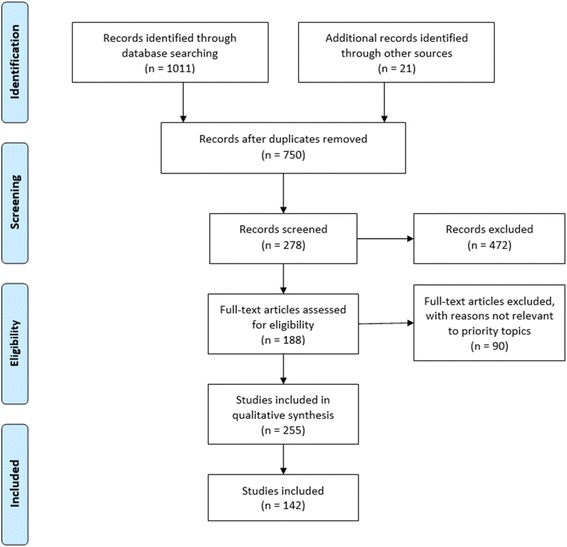
Main text: A targeted literature review using electronic medical databases (e.g., PubMed) was conducted to identify recent studies focused on specific areas of the AS phenotype (motor, communication, behavior, sleep) as well as epidemiology, diagnostic processes, treatment, and burden. 142 articles were reviewed and summarized. Findings suggest significant impairment across the life span in all areas of function. While some issues may resolve as individuals get older (e.g., hyperactivity), others become worse (e.g., movement disorders, aggression, anxiety). There are no treatments focused on the underlying etiology, and the symptom-based therapies currently prescribed do not have much, if any, empirical support.
Conclusions: The lack of standardized treatment protocols or approved therapies, combined with the severity of the condition, results in high unmet clinical needs in the areas of motor functioning, communication, behavior, and sleep for individuals with AS and their families.
Keywords: Angleman syndrome; Burden; Clinical features; Treatments; Unmet clinical needs.
Conflict of interest statement
Ethics approval and consent to participate
Not applicable.
Consent for publication
Not applicable.
Competing interests
All authors receive funding for this work from Ovid Therapeutics.
Publisher’s Note
Springer Nature remains neutral with regard to jurisdictional claims in published maps and institutional affiliations.
References
-
- Kishino T, Lalande M, Wagstaff J. UBE3A/E6-AP mutations cause Angelman syndrome. Nat Genet 1997 Jan;15(1):70–73. - PubMed
Publication types
MeSH terms
LinkOut - more resources
Full Text Sources
Other Literature Sources
Research Materials
