. 2018 Apr;30(4):e13230.
doi: 10.1111/nmo.13230. Epub 2017 Oct 20.

Idiopathic gastroparesis is associated with specific transcriptional changes in the gastric muscularis externa

Affiliations

Idiopathic gastroparesis is associated with specific transcriptional changes in the gastric muscularis externa

B P Herring et al. Neurogastroenterol Motil. 2018 Apr.

Abstract

Background: The molecular changes that occur in the stomach that are associated with idiopathic gastroparesis are poorly described. The aim of this study was to use quantitative analysis of mRNA expression to identify changes in mRNAs encoding proteins required for the normal motility functions of the stomach.

Methods: Full-thickness stomach biopsy samples were collected from non-diabetic control subjects who exhibited no symptoms of gastroparesis and from patients with idiopathic gastroparesis. mRNA was isolated from the muscularis externa and mRNA expression levels were determined by quantitative reverse transcriptase (RT)-PCR.

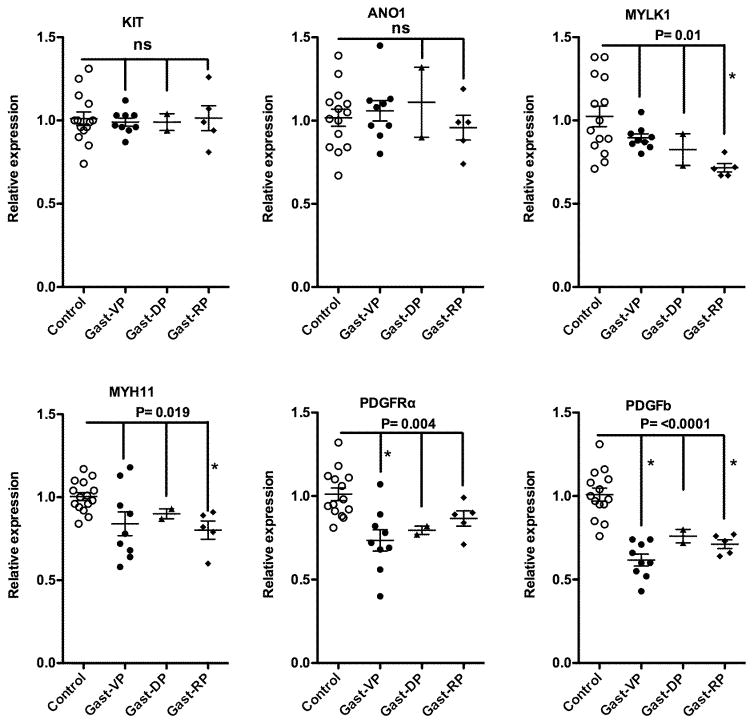
Key results: Smooth muscle tissue from idiopathic gastroparesis patients had decreased expression of mRNAs encoding several contractile proteins, such as MYH11 and MYLK1. Conversely, there was no significant change in mRNAs characteristic of interstitial cells of Cajal (ICCs) such as KIT or ANO1. There was also a significant decrease in mRNA-encoding platelet-derived growth factor receptor α (PDGFRα) and its ligand PDGFB and in Heme oxygenase 1 in idiopathic gastroparesis subjects. In contrast, there was a small increase in mRNA characteristic of neurons. Although there was not an overall change in KIT expression in gastroparesis patients, KIT expression showed a significant correlation with gastric emptying whereas changes in MYLK1, ANO1 and PDGFRα showed weak correlations to the fullness/satiety subscore of patient assessment of upper gastrointestinal disorder-symptom severity index scores.

Conclusions and inferences: Our findings suggest that idiopathic gastroparesis is associated with altered smooth muscle cell contractile protein expression and loss of PDGFRα+ cells without a significant change in ICCs.

Keywords: fibroblasts; gastroparesis; interstitial cells of Cajal; macrophages; neurons; smooth muscle; transcription.


Conflict of interest statement

Disclosures

Competing interests: all of the authors attest that they have no competing interests.

Figures
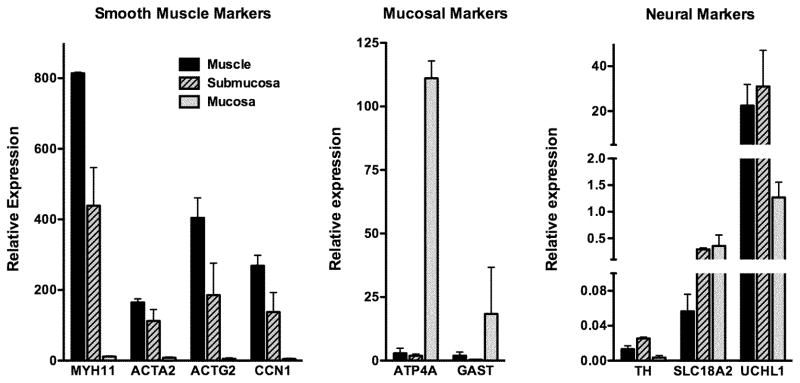
Figure 1
Figure 1. Separation of muscle, submucosa and mucosa layers from biopsies
Full thickness biopsies of stomach were obtained from two control subjects and the muscle, submucosa and mucosa, separated as described in ‘Methods’. RNA was isolated from each layer and the expression of mRNAs encoding proteins characteristic of each layer was quantitated by qRT-PCR. Expression levels relative to an internal control mRNA encoding TATA binding protein (TBP) are indicated. The mean±SEM of two samples are shown.
Figure 2
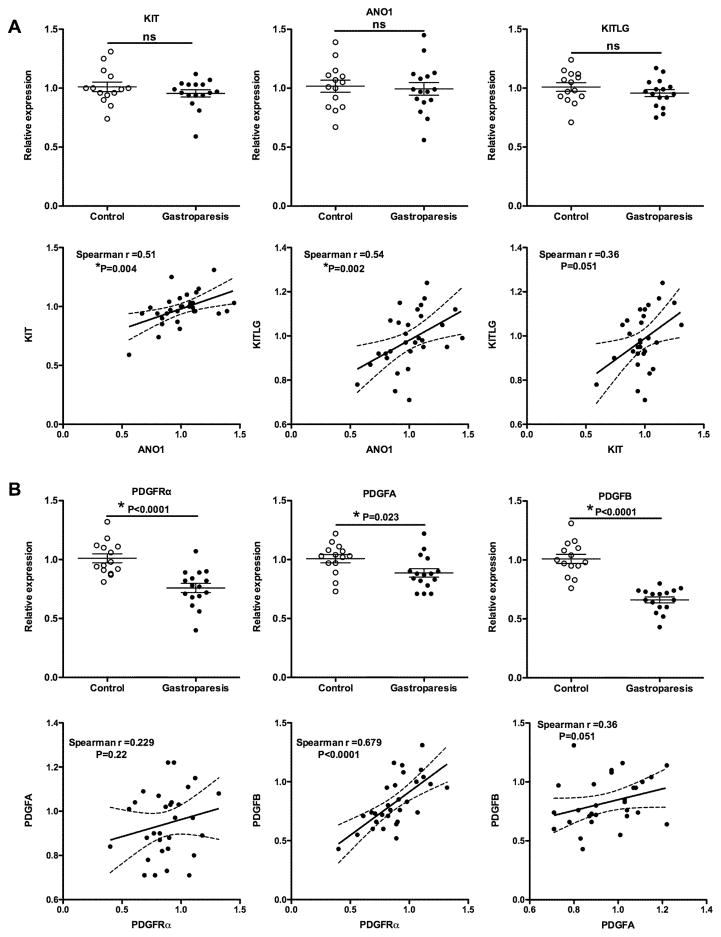
Figure 2. qRT-PCR analysis of mRNA encoding proteins characteristic of ICCs and PDGFRα+ fibroblasts
Total RNA was isolated from the muscle layer of biopsies obtained from 14 control subjects and 16 subjects with idiopathic gastroparesis. qRT-PCR was used to measure the expression of each of the mRNAs indicated. Data presented were normalized to an internal control encoding TBP and are expressed relative to levels in the control subjects. Relative expression =2−ΔΔCt, where ΔΔCt = (CtGastroparesis-CtTBP) – (Ctcontrol-CtTBP). Each circle represents an individual subject with the control subjects represented as open circles and the gastroparesis subjects as closed circles. The mean±SEM are also indicated. Student T-tests were used to identify statistical significance. ns, not significant. Data from both control and gastroparesis subjects, were analyzed by spearman correlation and linear regression analyses to examine the relationship between expression of KIT, ANO1 and KITLG (A) and PDGFRα and its ligands PDGFA and PDGFB (B). Plots of the linear regression analysis are shown together with the indicated Spearman r values and P values.
Figure 3
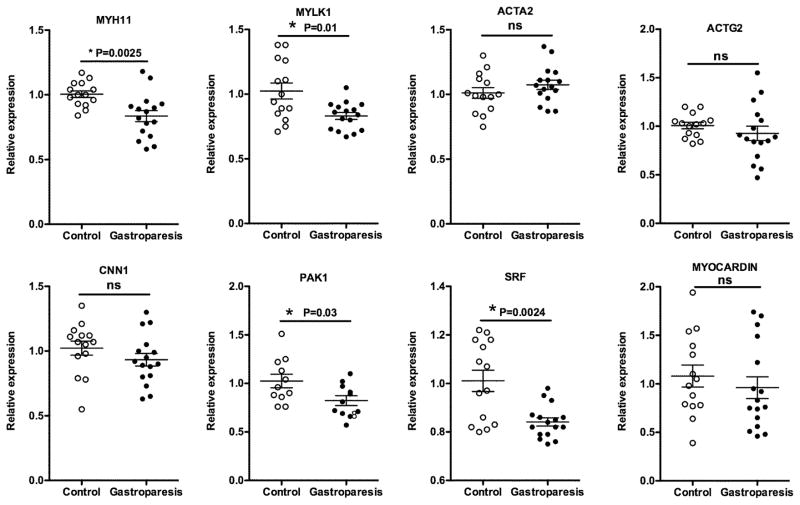
Figure 3. qRT-PCR analysis of mRNA encoding proteins and transcription factors characteristic of contractile SMCs
Total RNA was isolated from the muscle layer of biopsies obtained from 14 control subjects and 16 subjects with idiopathic gastroparesis and analyzed by qRT-PCR as described in figure 2.
Figure 4
Figure 4. Relationship between expression of contractile proteins and the transcription factors that regulate their expression
Data from both control and gastroparesis subjects, shown in figure 3, were analyzed by Spearman’s correlation and linear regression analyses to examine the relationship between expression of MYKL, MYH11 and transcription factors SRF and myocardin. These analyses revealed a highly significant positive correlation between the expression of SRF and MYLK1 and MYH11.
Figure 5
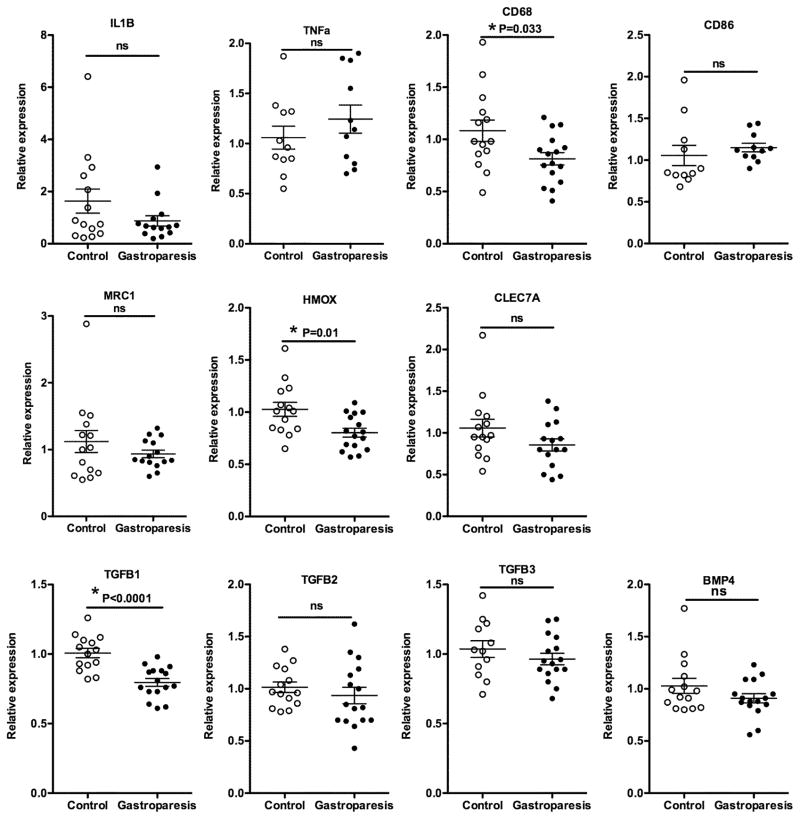
Figure 5. qRT-PCR analysis of mRNA encoding proteins related to inflammation and macrophage polarity
Total RNA was isolated from the muscle layer of biopsies obtained from 14 control subjects and 16 subjects with idiopathic gastroparesis and analyzed by qRT-PCR as described in figure 2.
Figure 6
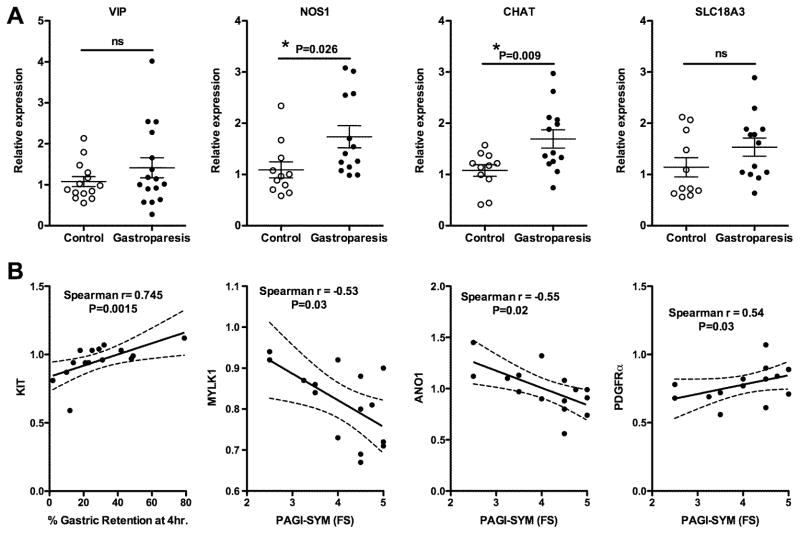
Figure 6. qRT-PCR analysis of mRNA encoding proteins related to neurons and correlations between mRNA expression and clinical symptoms
A. Total RNA was isolated from the muscle layer of biopsies obtained from 14 control subjects and 16 subjects with idiopathic gastroparesis and analyzed by qRT-PCR as described in Figure 2. B. Linear regression analysis of the indicated mRNAs and PAGI-SYM subscores, or gastric retention, together with the Spearman r values and P values obtained from correlation analysis shown in Supplemental Table 2.
Figure 7
Figure 7. qRT-PCR analysis of mRNA expression segregated based on symptom predominant phenotype
Graphs shown are replots of the mRNA expression data shown in Figures 2 and 3, in which the gastroparesis subjects were divided into those whose symptoms were vomiting predominant (VP), dyspepsia predominant (DP) or regurgitation predominant (RP) (Table 1). A one way Anova, using a Kruskal-Wallis test with a Duns Multiple Comparison post-test was performed to evaluate significant differences from control subjects and between gastroparesis groups. P values representing overall differences of the gastroparesis subjects from control subjects are shown, asterisks indicate individual groups that were significantly different from the controls, as determined by the Duns Multiple Comparison test. None of the gastroparesis groups were found to be significantly different from each other.

References

    1. Rey E, Choung RS, Schleck CD, et al. Prevalence of hidden gastroparesis in the community: the gastroparesis “iceberg”. J Neurogastroenterol Motil. 2012;18:34–42. - PMC - PubMed
    1. Jung HK, Choung RS, Locke GR, 3rd, et al. The incidence, prevalence, and outcomes of patients with gastroparesis in Olmsted County, Minnesota, from 1996 to 2006. Gastroenterology. 2009;136:1225–33. - PMC - PubMed
    1. Parkman HP, Yates K, Hasler WL, et al. Clinical features of idiopathic gastroparesis vary with sex, body mass, symptom onset, delay in gastric emptying, and gastroparesis severity. Gastroenterology. 2011;140:101–15. - PMC - PubMed
    1. Soykan I, Sivri B, Sarosiek I, et al. Demography, clinical characteristics, psychological and abuse profiles, treatment, and long-term follow-up of patients with gastroparesis. Dig Dis Sci. 1998;43:2398–404. - PubMed
    1. Baker SA, Hennig GW, Salter AK, et al. Distribution and Ca(2+) signalling of fibroblast-like (PDGFR(+)) cells in the murine gastric fundus. J Physiol. 2013;591:6193–208. - PMC - PubMed

Publication types

LinkOut - more resources