


The effects of training with loads that maximise power output and individualised repetitions vs. traditional power training
- PMID: 29053725
- PMCID: PMC5650159
- DOI: 10.1371/journal.pone.0186601
The effects of training with loads that maximise power output and individualised repetitions vs. traditional power training
Abstract
Background: It has been suggested that strength training effects (i.e. neural or structural) vary, depending on the total repetitions performed and velocity loss in each training set.
Purpose: The aim of this study is to compare the effects of two training programmes (i.e. one with loads that maximise power output and individualised repetitions, and the other following traditional power training).
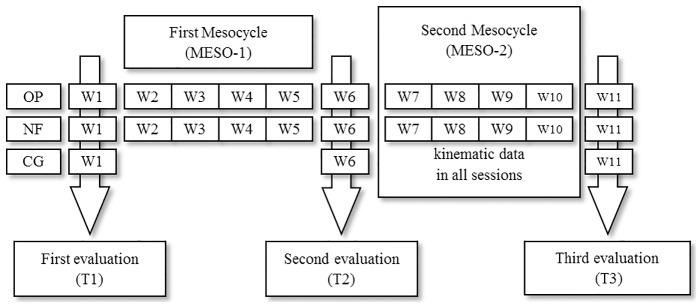
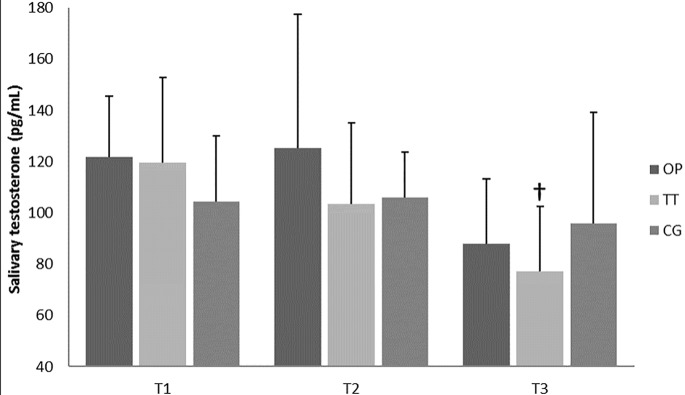
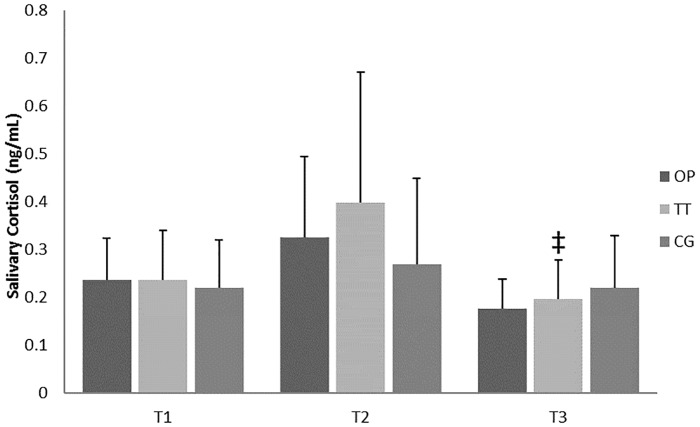
Methods: Twenty-five males were divided into three groups (optimum power [OP = 10], traditional training [TT = 9] and control group [CG = 6]). The training load used for OP was individualised using loads that maximised power output (41.7% ± 5.8 of one repetition maximum [1RM]) and repetitions at maximum power (4 to 9 repetitions, or 'reps'). Volume (sets x repetitions) was the same for both experimental groups, while intensity for TT was that needed to perform only 50% of the maximum number of possible repetitions (i.e. 61.1%-66.6% of 1RM). The training programme ran over 11 weeks (2 sessions per week; 4-5 sets per session; 3-minute rests between sets), with pre-, intermediate and post-tests which included: anthropometry, 1RM, peak power output (PPO) with 30%, 40% and 50% of 1RM in the bench press throw, and salivary testosterone (ST) and cortisol (SC) concentrations. Rate of perceived exertion (RPE) and power output were recorded in all sessions.
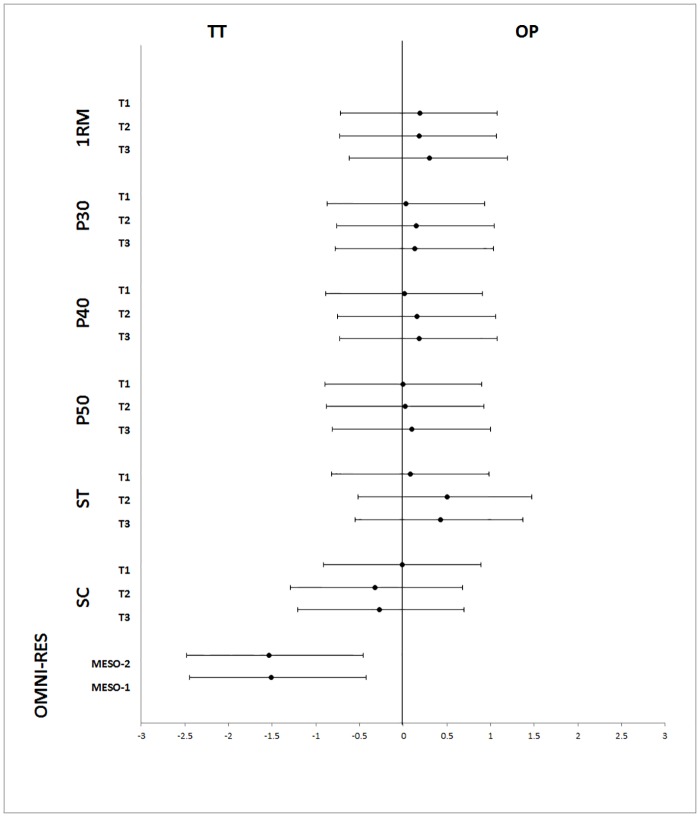
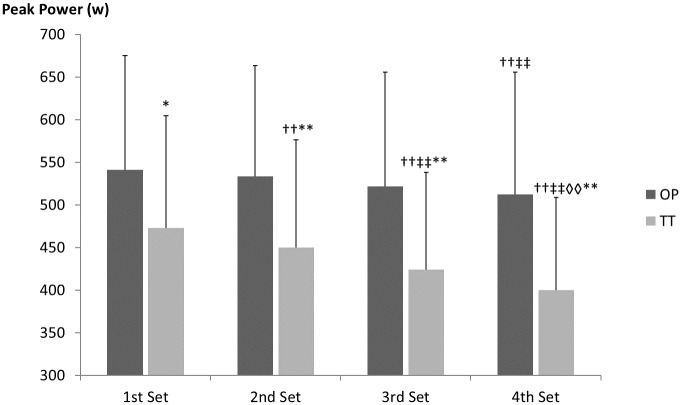
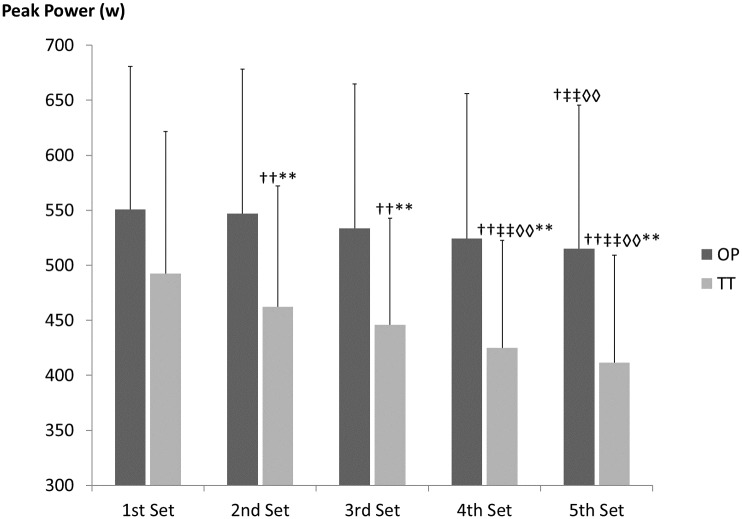
Results: Following the intermediate test, PPO was increased in the OP group for each load (10.9%-13.2%). Following the post-test, both experimental groups had increased 1RM (11.8%-13.8%) and PPO for each load (14.1%-19.6%). Significant decreases in PPO were found for the TT group during all sets (4.9%-15.4%), along with significantly higher RPE (37%).
Conclusion: OP appears to be a more efficient method of training, with less neuromuscular fatigue and lower RPE.
Conflict of interest statement
Figures
References
-
- McGuigan M, Wright G, Fleck S. Strength training for athletes: does it really help sports performance? Int J Sports Physiol Perform. 2012;7(1):2–5. - PubMed
-
- McKinnon NB, Connelly DM, Rice CL, Hunter SW, Doherty TJ. Neuromuscular contributions to the age-related reduction in muscle power: Mechanisms and potential role of high velocity power training. Ageing research reviews. 2017;35:147–54. Epub 2016/10/05. doi: 10.1016/j.arr.2016.09.003 . - DOI - PubMed
-
- McBride J, Triplett-McBride T, Davie A, Newton R. The effect of heavy-vs. light-load jump squats on the development of strength, power, and speed. Journal of strength and conditioning research / National Strength & Conditioning Association. 2002;16(1):75–82. - PubMed
-
- Cormie P, McGuigan M, Newton R. Developing maximal neuromuscular power. Sports medicine (Auckland, NZ). 2011;41(1):17–38. - PubMed
MeSH terms
LinkOut - more resources
Full Text Sources
Other Literature Sources
Miscellaneous
