. 2017 Nov 2;171(4):824-835.e18.
doi: 10.1016/j.cell.2017.09.045. Epub 2017 Oct 19.

Selective Inhibition of FOXO1 Activator/Repressor Balance Modulates Hepatic Glucose Handling

Affiliations

Selective Inhibition of FOXO1 Activator/Repressor Balance Modulates Hepatic Glucose Handling

Fanny Langlet et al. Cell. .

Abstract

Insulin resistance is a hallmark of diabetes and an unmet clinical need. Insulin inhibits hepatic glucose production and promotes lipogenesis by suppressing FOXO1-dependent activation of G6pase and inhibition of glucokinase, respectively. The tight coupling of these events poses a dual conundrum: mechanistically, as the FOXO1 corepressor of glucokinase is unknown, and clinically, as inhibition of glucose production is predicted to increase lipogenesis. Here, we report that SIN3A is the insulin-sensitive FOXO1 corepressor of glucokinase. Genetic ablation of SIN3A abolishes nutrient regulation of glucokinase without affecting other FOXO1 target genes and lowers glycemia without concurrent steatosis. To extend this work, we executed a small-molecule screen and discovered selective inhibitors of FOXO-dependent glucose production devoid of lipogenic activity in hepatocytes. In addition to identifying a novel mode of insulin action, these data raise the possibility of developing selective modulators of unliganded transcription factors to dial out adverse effects of insulin sensitizers.

Keywords: diabetes; drug therapy; hepatic glucose production; hepatosteatosis; insulin resistance; insulin sensitizers; lipogenesis; selective modulators; small molecule inhibitor; transcription repressor.


Figures

Figure 1
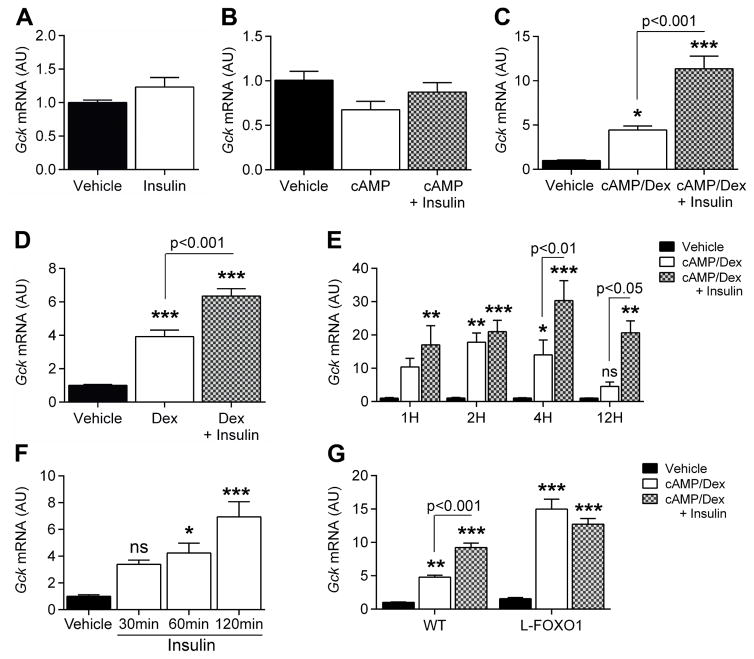
Figure 1. Insulin induction of Gck requires glucocorticoid-stimulated FOXO1 expression
A–D, Gck expression in primary hepatocytes after 7h treatment with vehicle or insulin (A, n=9 from 3 mice), cAMP and/or insulin (B, n=8 from 3 mice), dexamethasone (dex), cAMP and/or insulin (C, n=9 from 3 mice), and in dex or dex/insulin (D, n=8 from 2 mice). E–F, Time-course of Gck expression in primary hepatocytes treated with vehicle, cAMP/dex, or cAMP/dex/insulin for the indicated times (E, n=4 from 1 mouse; h=hours), and 6h cAMP/dex followed by insulin (F, n=6 from 2 mice, min=minutes). G. Gck expression in primary hepatocytes from WT (n=12 from 4 mice) vs. L-Foxo1 (n=12 from 4 mice) mice after 7h treatment with vehicle, cAMP/dex, or cAMP/dex/insulin. Data are means ± s.e.m. *P<0.05, **P<0.01, ***P<0.001 compared to control conditions. See also Figure S1, S2, S3.
Figure 2
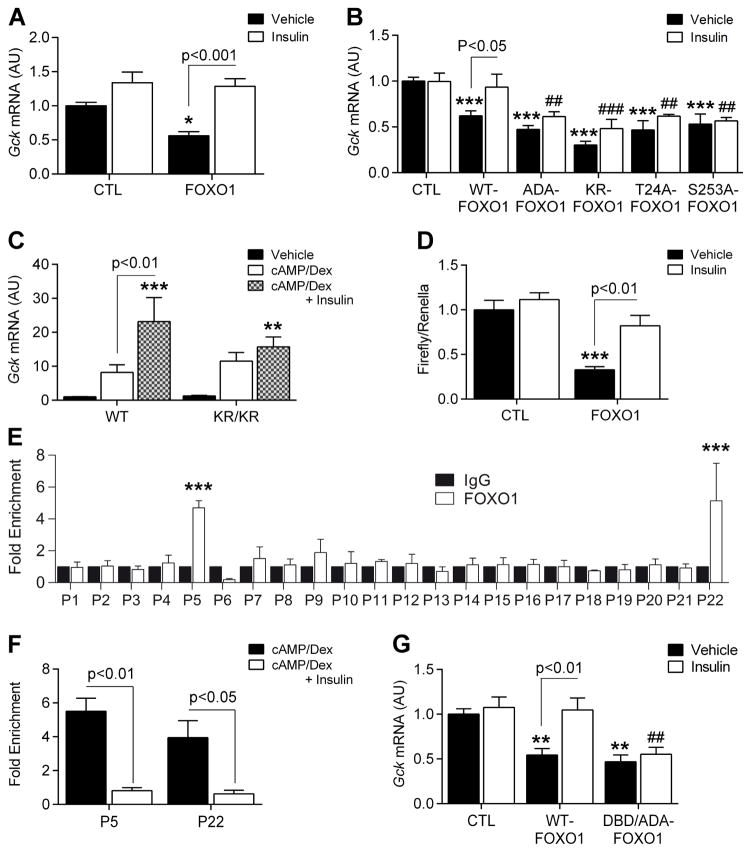
Figure 2. Insulin removes FOXO1 inhibition on Gck promoter
A–B, Gck expression in L-Foxo1 primary hepatocytes transfected with plasmids (A, n=8 from 2 mice) or adenoviruses (B, n=4–7 from 2 mice) encoding WT and mutant FOXO1 in the presence or absence of insulin. ADA-FOXO1 = phosphorylation-defective FOXO1 at T24, S253 and S316; KR-FOXO1 = acetylation-defective FOXO1; T24A-FOXO1 = phosphorylation-defective FOXO1 at T24; S253A = phosphorylation-defective FOXO1 at S253) C, Gck expression in primary hepatocytes isolated from WT (n=7 from 2 mice) vs. KR/KR (n=8 from 2 mice) mice after 7h treatment with vehicle, cAMP/dex, or cAMP/dex/insulin. D, Rat Gck promoter activity in insulin-treated primary hepatocytes transfected with control (CTL) and FOXO1 plasmids (n=6 from 2 mice). E–F, FOXO1 ChIP-qPCR in primary hepatocytes treated with cAMP/dex on Gck promoter (−1545 to +52) using overlapping primer sets (E, n=3), and on P5 (−1187 to −1040) and P22 (−93 to +52) following treatment with cAMP/dex or cAMP/dex/insulin (F, N=7 and 6, respectively). G. Gck expression in L-Foxo1 primary hepatocytes transfected with WT-FOXO1- and DBD-FOXO1- (DNA binding deficient) expressing adenoviruses in the presence or absence of insulin (n=4 from 1 mouse). Data are means ± s.e.m. *P<0.05, **P<0.01, ***P<0.001 compared to control conditions (in panel B and G, * or # are used to compare, respectively, solid and empty bars to each other). See also Figure S4.
Figure 3
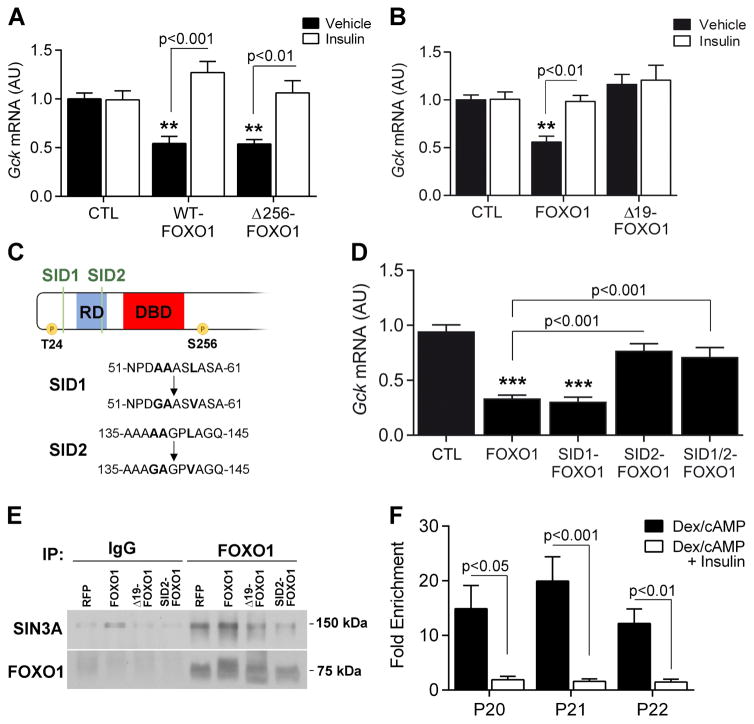
Figure 3. FOXO1 interacts with SIN3A through its NH2-terminus
A, Gck expression in L-Foxo1 primary hepatocytes transfected with WT-FOXO1 and Δ256-FOXO1 (AA1-256) adenoviruses in the presence or absence of insulin (n=4 from 1 mouse). B, Gck expression in WT primary hepatocytes transfected with FOXO1 and Δ19-FOXO1 (without AA126-144) plasmids in the presence or absence of insulin (n=8 from 2 mice). C, Schematic representation of SIN3A interacting domain (SID) locations and mutations of the FOXO1 N-terminal domain. D, Gck expression in WT primary hepatocytes transfected with FOXO1 and SID mutant FOXO1 plasmids (n=8 from 3 mice). E, Co-immunoprecipitation of SIN3A and FOXO1 in primary hepatocytes. F, SIN3A ChIP-qPCR on P5 (−1187 to −1040), P20 (−219 to −77), P21 (−154 to −9) and P22 (−93 to +52) in primary hepatocytes treated with cAMP/dex or cAMP/dex/insulin (n=6). Data are means ± s.e.m. *P<0.05, **P<0.01, ***P<0.001 compared to control conditions. See also Figure S4.
Figure 4
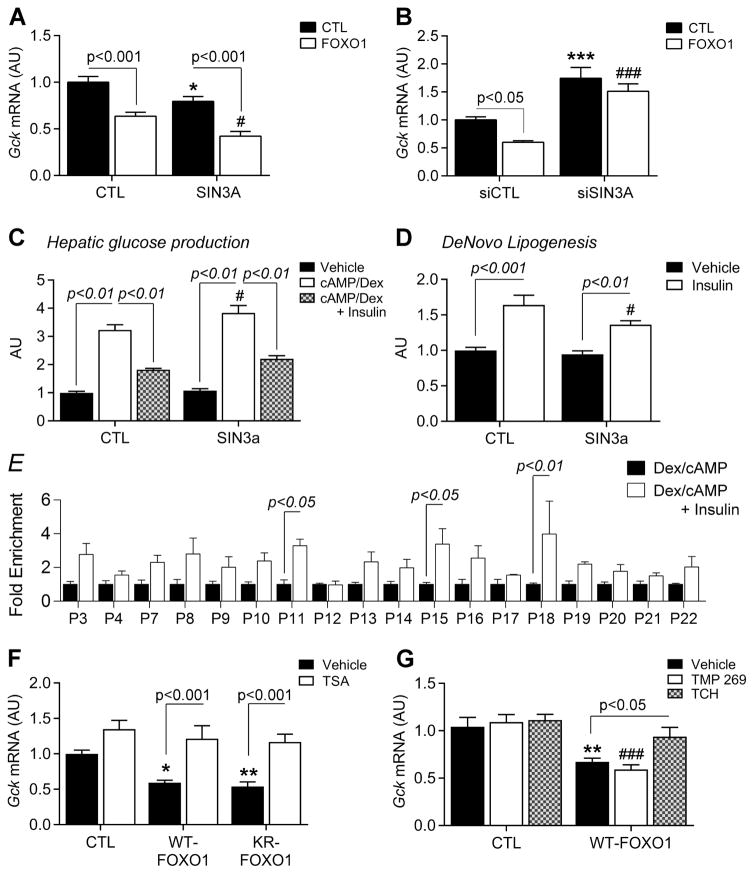
Figure 4. SIN3A regulates hepatic lipid and glucose metabolism
A–B, Effect of FOXO1 expression on Gck expression in WT primary hepatocytes co-transfected with SIN3A and control (CTL) plasmids (A, n=8 from 2 mice), or Sin3a siRNA and control siRNA (siCTL) (B, n=8 from 2 mice). C–D, Glucose production (c, n=8 from 2 mice) and de novo lipogenesis (D, n=9 from 3 mice) in primary hepatocytes transfected with SIN3A plasmid. E, Histone 3 acetylation on Gck promoter in WT primary hepatocytes treated with cAMP/dex or cAMP/dex/insulin (n=4). F–G, Gck expression in WT primary hepatocytes transduced with FOXO1 and KR-FOXO1 adenoviruses in the presence or absence of trichostatin A (TSA) (F, n=8 from 2 mice), or transfected with FOXO1 plasmid and treated with TMP269 or TC-H106 (G, n=6 from 2 mice). Data are means ± s.e.m. *P<0.05, **P<0.01, ***P<0.001 compared to control conditions (in panel A, B, C, D and G, * or # are used to compare, respectively, solid and empty bars to each other). See also Figure S5.
Figure 5
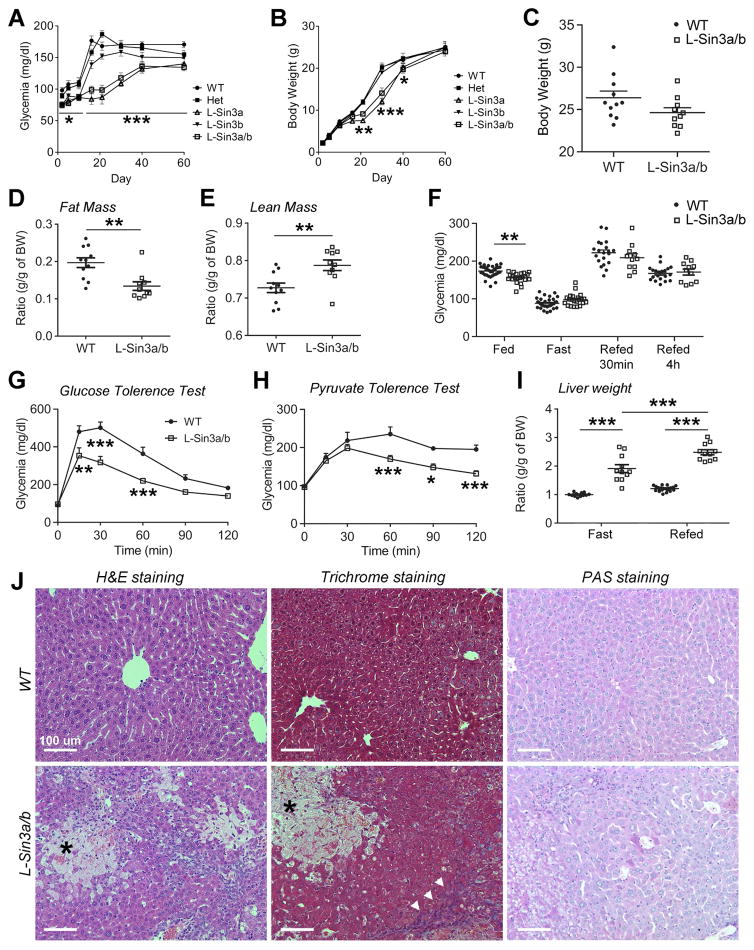
Figure 5. Impaired hepatic development and metabolism in L-Sin3a/b−/− mice
A–B, Time course of glycemia (A) and body weight (B) in WT, heterozygous, L-Sin3a, L-Sin3b and L-Sin3a/b mice (n=5–9). C–E, Weight (C), fat mass (D), and lean mass (E) of adult male WT and L-Sin3a/b mice on chow diet (n = 11/10). F, Glucose levels in ad libitum-fed (n=32/22), overnight-fasted (n=32/22), 30min- (n=20/11) and 4h-refed (n=20/11) WT and L-Sin3a/b mice. G–H, GTT (G) and PTT (H) carried out after an overnight fast in WT (n=7 for GTT, 8 for PTT) and L-Sin3a/b mice (n=7 for GTT, 8 for PTT). I, Liver weight in 12h-fasted (n=12/11) and 4h-refed (n=20/11) WT and L-Sin3a/b mice. J, Liver H&E trichrome and PAS staining in WT and L-Sin3a/b mice (arrowhead = fibrotic tissue; asterisk = necrosis). Data are means ± s.e.m. *P<0.05, **P<0.01, ***P<0.001 compared to control conditions. Scale bar = 100 μm. See also Figure S5 and Table S1.
Figure 6
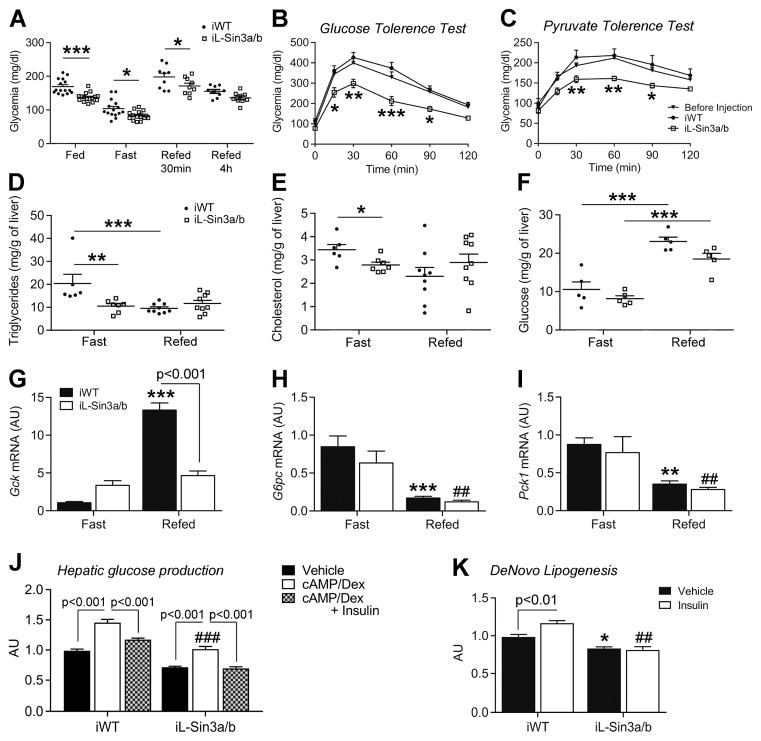
Figure 6. Impaired Gck regulation in iL-Sin3a/b−/− mice
A, Glucose levels in ad libitum-fed (n=15/16 each genotype), overnight-fasted (n=15/16), or 30min- (n=9/9) and 4h-refed (n=9/9) iWT and iL-Sin3a/b mice. B–C, Glucose (GTT) (B) and pyruvate tolerance tests (PTT) (C) carried out after an overnight fast in WT (before virus injection, n=13 for GTT, 14 for PTT), iWT (n=6 for GTT, 7 for PTT) and iL-Sin3a/b mice (n=7 for GTT and PTT). D–E, Hepatic triglyceride (D) and cholesterol (E) content in 12h-fasted (n=6/7) and 4h-refed (n=9/9) iWT and iL-Sin3a/b mice. f, Hepatic glycogen content in 12h-fasted (n=5/5) and 4h-refed (n=5/5) iWT and iL-Sin3a/b mice. g–i, Hepatic Gck (G), G6pc (H) and Pck1 (I) expression in 12h-fasted (n=8/8) and 4h-refed (n=9/9) iWT and iL-Sin3a/b mice. J–K, Glucose production (J, n=7 from 2 mice) and de novo lipogenesis (K, n=5 from 2 mice) in iWT and iL-Sin3a/b primary hepatocytes. Data are means ± s.e.m. *P<0.05, **P<0.01, ***P<0.001 compared to control conditions (in panel H, I, J and K, * or # are used to compare, respectively, solid and empty bars to each other). See also Figure S6 and Table S2.
Figure 7
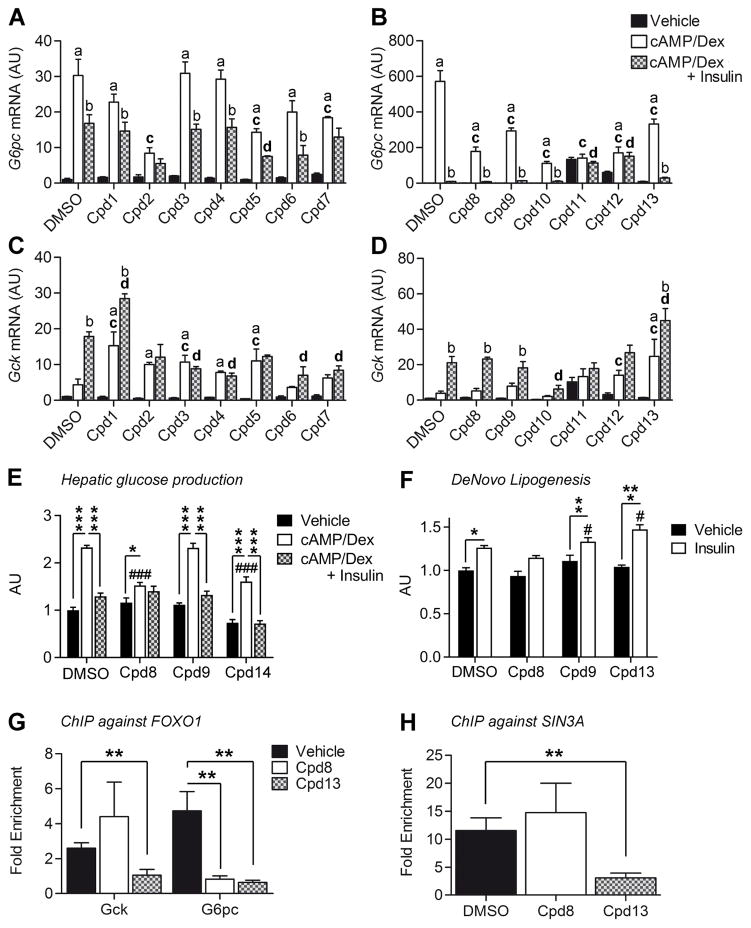
Figure 7. Effect of small molecule FOXO inhibitors on G6pc and Gck expression
A–D, G6pc (A–B) and Gck (C–D) expression in primary hepatocytes treated for 7h with vehicle, cAMP/dex, or cAMP/dex/insulin in the presence or absence of FOXO inhibitors (Cpd). Cpd 1–7 were applied to a final concentration of 50μM; Cpd 8–13 at 10μM. (A,C, n=3 from 1 mouse; B,D, n=4 from 1 mouse). E–F, Glucose production (E, n=4 for # 8, 13, n=8 for DMSO and # 9, from 2 mice) and de novo lipogenesis (F, n=3 for DMSO, # 8, 13, n=6 for # 9, from 2 mice) in WT primary hepatocytes in the presence or absence of FOXO inhibitors # 8, 9 and 13. G, FOXO1 ChIP-qPCR on Gck (P22 = −93 to +52) and G6pc promoter (−230 to −31) in primary hepatocytes treated with cAMP/dex in the presence or absence of FOXO1 inhibtors (n=5). H, SIN3A ChIP-qPCR on Gck (P22 = −93 to +52) in primary hepatocytes treated with cAMP/dex in the presence or absence of FOXO1 inhibtors (n=5). Data are means ± s.e.m. In panel A–D: a = P<0.05 compared to vehicle. b = P<0.05 compared to cAMP/dex. c = P<0.05 compared to DMSO in cAMP/Dex condition. d = P<0.05 compared to DMSO in cAMP/Dex/Insulin condition. In panel F–G: *P<0.05, **P<0.01, ***P<0.001 compared to control conditions (in panel E–F, # is used to compare empty bars to each other). See also Figure S7 and Table S3–4.

Comment in

References

    1. Altomonte J, Richter A, Harbaran S, Suriawinata J, Nakae J, Thung SN, Meseck M, Accili D, Dong H. Inhibition of Foxo1 function is associated with improved fasting glycemia in diabetic mice. Am J Physiol - Endocrinol Metab. 2003;285:E718–E728. - PubMed
    1. Bae JS, Kim TH, Kim MY, Park JM, Ahn YH. Transcriptional Regulation of Glucose Sensors in Pancreatic β-Cells and Liver: An Update. Sensors. 2010;10:5031–5053. - PMC - PubMed
    1. Banks AS, Kim-Muller JY, Mastracci TL, Kofler NM, Qiang L, Haeusler RA, Jurczak MJ, Laznik D, Heinrich G, Samuel VT, et al. Dissociation of the glucose and lipid regulatory functions of FoxO1 by targeted knockin of acetylation-defective alleles in mice. Cell Metab. 2011;14:587–597. - PMC - PubMed
    1. Barnes VL, Bhat A, Unnikrishnan A, Heydari AR, Arking R, Pile LA. SIN3 is critical for stress resistance and modulates adult lifespan. Aging. 2014;6:645–660. - PMC - PubMed
    1. Berkowitz K, Peters R, Kjos SL, Goico J, Marroquin A, Dunn ME, Xiang A, Azen S, Buchanan TA. Effect of troglitazone on insulin sensitivity and pancreatic beta-cell function in women at high risk for NIDDM. Diabetes. 1996;45:1572–1579. - PubMed

MeSH terms