


Clock-dependent and system-driven oscillators interact in the suprachiasmatic nuclei to pace mammalian circadian rhythms
- PMID: 29059248
- PMCID: PMC5653358
- DOI: 10.1371/journal.pone.0187001
Clock-dependent and system-driven oscillators interact in the suprachiasmatic nuclei to pace mammalian circadian rhythms
Abstract
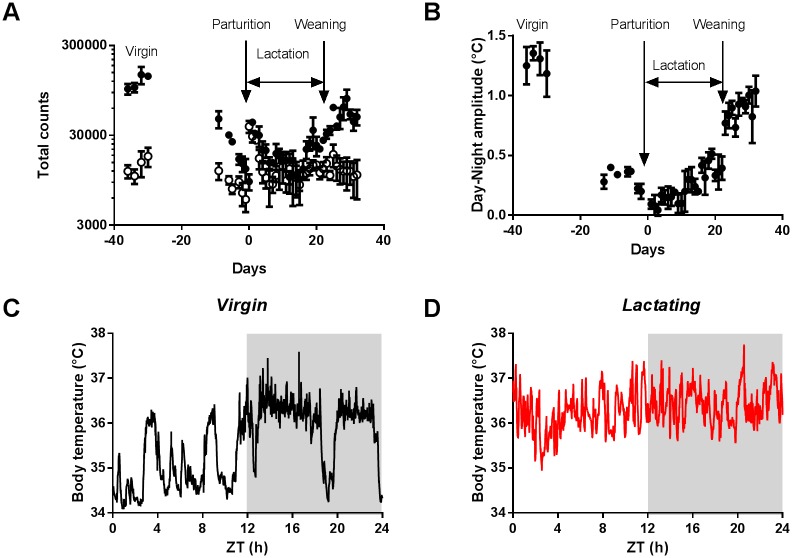
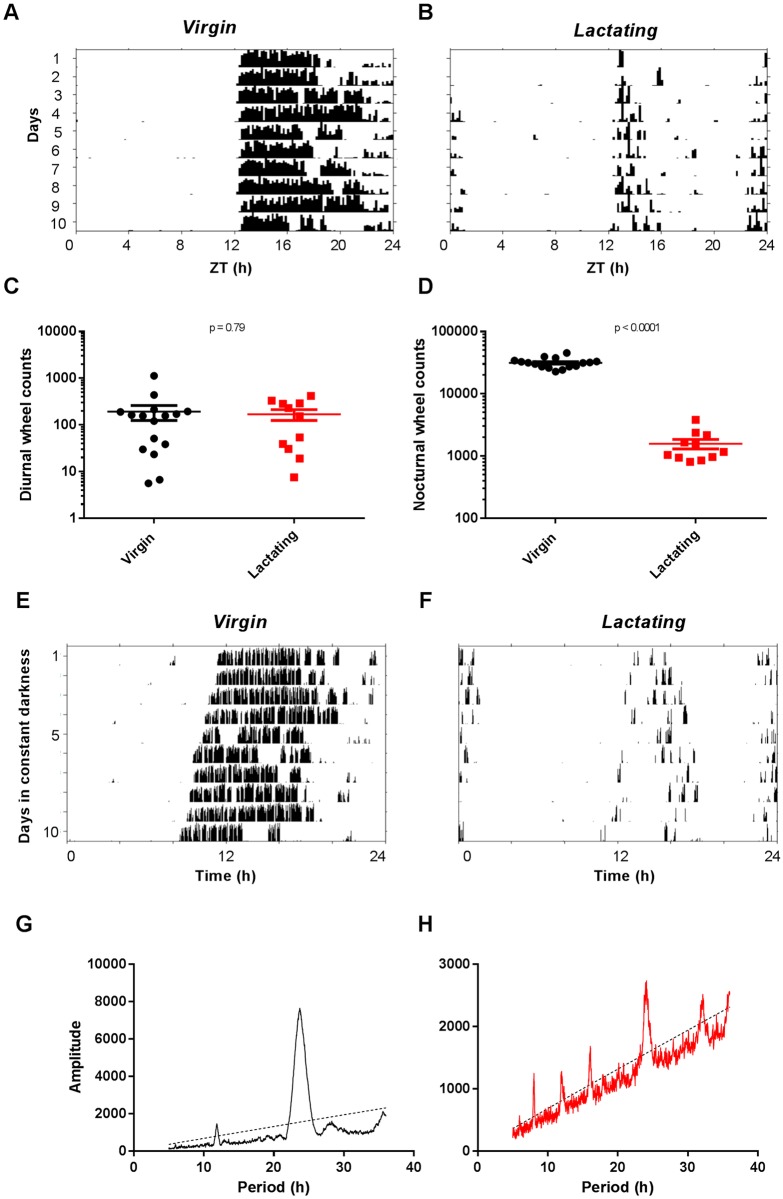
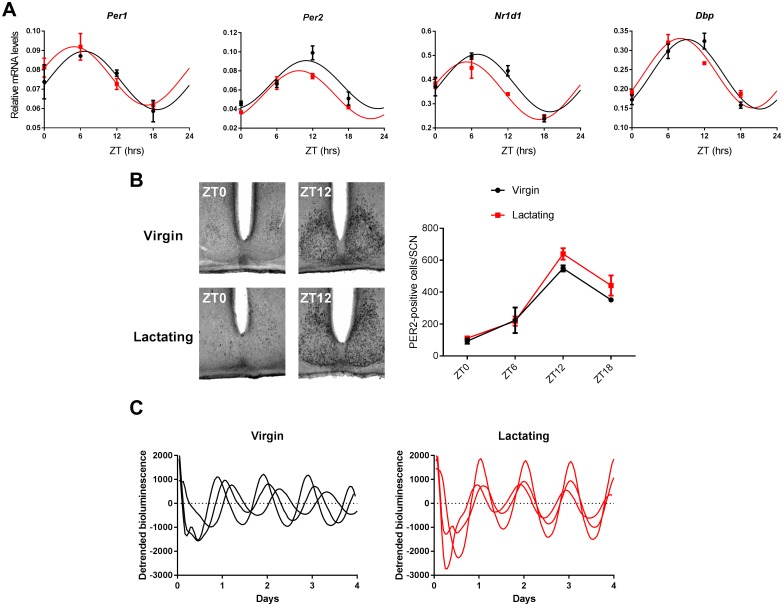
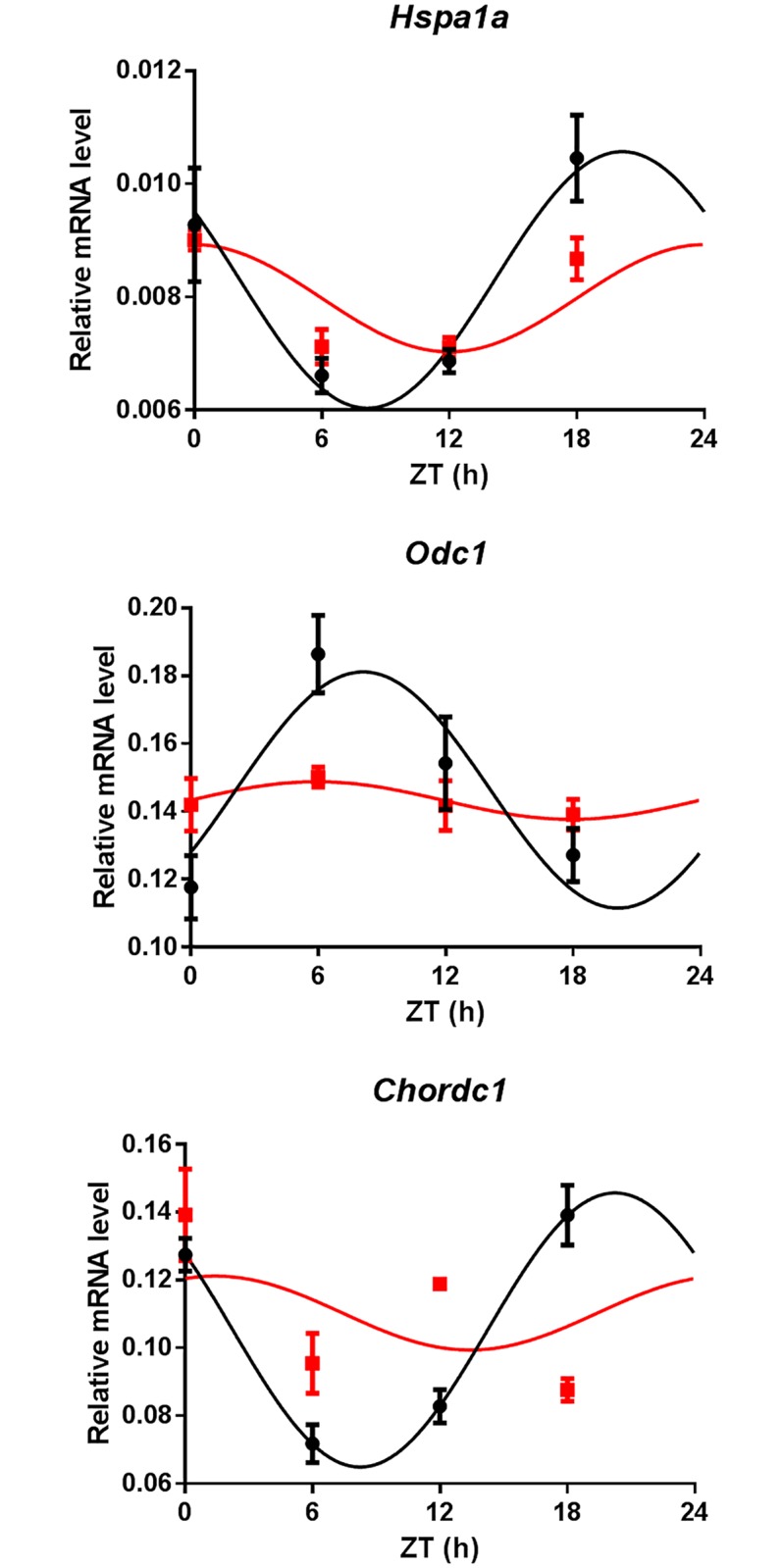
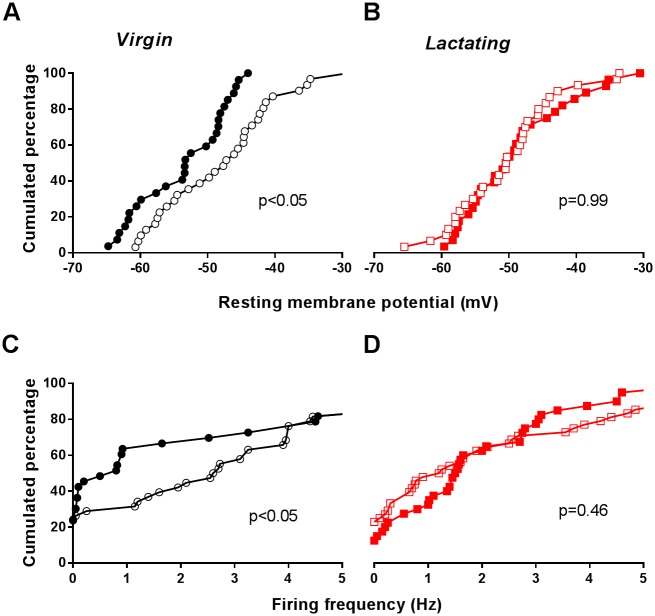
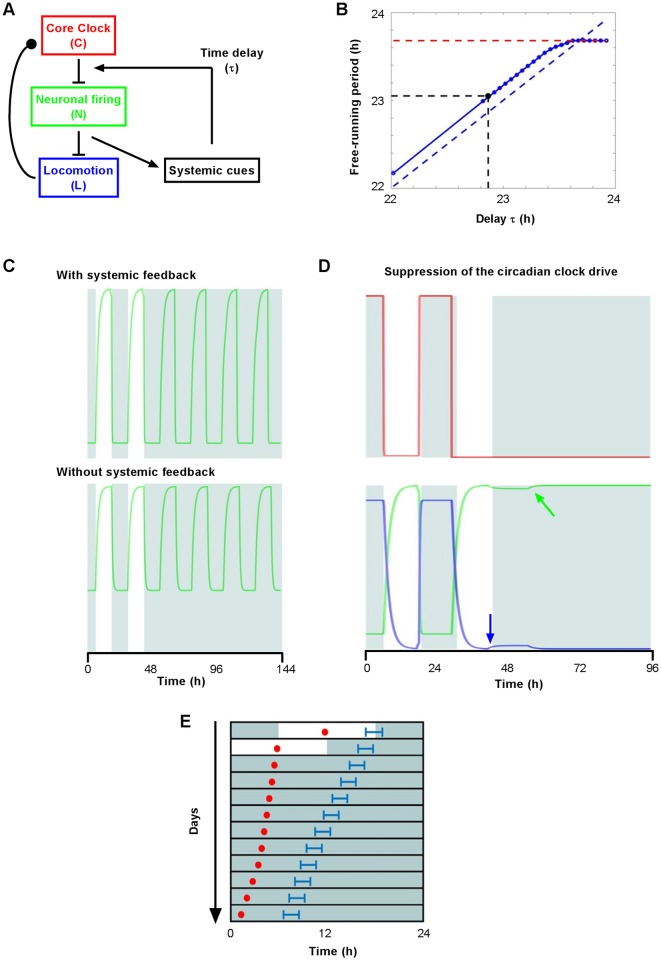
Circadian clocks drive biological rhythms with a period of approximately 24 hours and keep in time with the outside world through daily resetting by environmental cues. While this external entrainment has been extensively investigated in the suprachiasmatic nuclei (SCN), the role of internal systemic rhythms, including daily fluctuations in core temperature or circulating hormones remains debated. Here, we show that lactating mice, which exhibit dampened systemic rhythms, possess normal molecular clockwork but impaired rhythms in both heat shock response gene expression and electrophysiological output in their SCN. This suggests that body rhythms regulate SCN activity downstream of the clock. Mathematical modeling predicts that systemic feedback upon the SCN functions as an internal oscillator that accounts for in vivo and ex vivo observations. Thus we are able to propose a new bottom-up hierarchical organization of circadian timekeeping in mammals, based on the interaction in the SCN between clock-dependent and system-driven oscillators.
Conflict of interest statement
Figures
References
-
- Yoo SH, Yamazaki S, Lowrey PL, Shimomura K, Ko CH, Buhr ED, et al. PERIOD2::LUCIFERASE real-time reporting of circadian dynamics reveals persistent circadian oscillations in mouse peripheral tissues. Proc Natl Acad Sci U S A. 2004;101(15):5339–46. Epub 2004/02/14. doi: 10.1073/pnas.0308709101 . - DOI - PMC - PubMed
-
- Albus H, Bonnefont X, Chaves I, Yasui A, Doczy J, van der Horst GT, et al. Cryptochrome-deficient mice lack circadian electrical activity in the suprachiasmatic nuclei. Curr Biol. 2002;12(13):1130–3. Epub 2002/07/18. doi: 10.1016/S0960-9822(02)00923-5 . - DOI - PubMed
-
- Nakamura W, Honma S, Shirakawa T, Honma K. Clock mutation lengthens the circadian period without damping rhythms in individual SCN neurons. Nat Neurosci. 2002;5(5):399–400. Epub 2002/04/16. doi: 10.1038/nn843 . - DOI - PubMed
-
- Colwell CS. Linking neural activity and molecular oscillations in the SCN. Nat Rev Neurosci. 2011;12(10):553–69. doi: 10.1038/nrn3086 . - DOI - PMC - PubMed
-
- Brancaccio M, Patton AP, Chesham JE, Maywood ES, Hastings MH. Astrocytes Control Circadian Timekeeping in the Suprachiasmatic Nucleus via Glutamatergic Signaling. Neuron. 2017;93(6):1420–35 e5. Epub 2017/03/14. doi: 10.1016/j.neuron.2017.02.030 . - DOI - PMC - PubMed
MeSH terms
LinkOut - more resources
Full Text Sources
Other Literature Sources
