


Need for Comprehensive Health Care Quality Measures for Older Adults
- PMID: 29064345
- PMCID: PMC6070128
- DOI: 10.1089/pop.2017.0109
Need for Comprehensive Health Care Quality Measures for Older Adults
Abstract
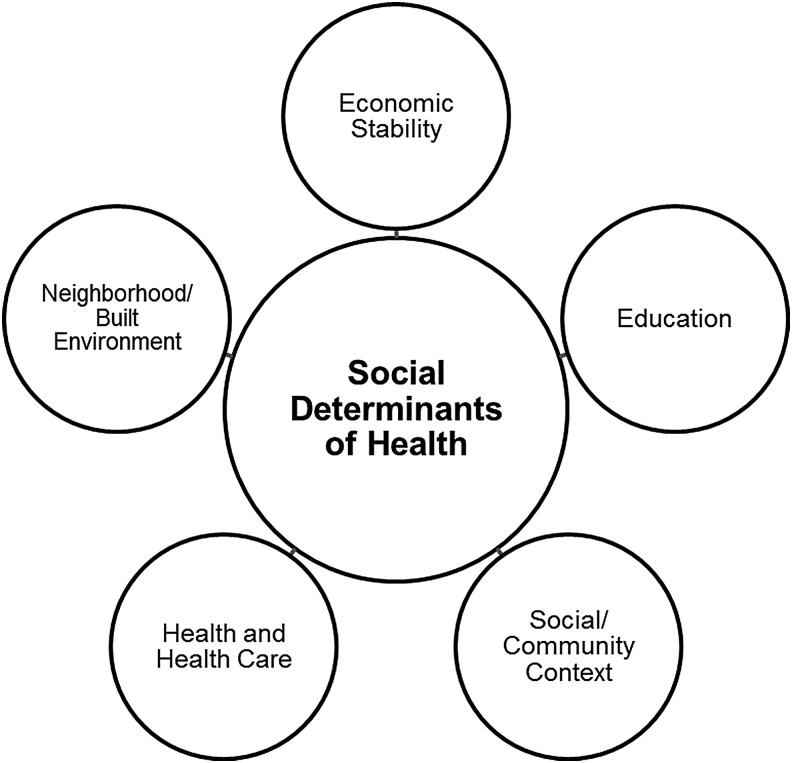
Research indicates that older adults receive only about half of their recommended care, with varying quality and limited attention to social issues impacting their health through the most commonly used quality measures. Additionally, many existing measures neglect to address nonclinical social determinants of health. Evidence of the need for more comprehensive measures for seniors is growing. The primary purpose of this article, which is supported by a limited review of literature, is to describe gaps among current quality measures in addressing certain nonclinical needs of older adults, including key social determinants of health. In doing so, the authors describe their position on the need for expanded measures to incorporate these factors to improve care and quality of life. The authors conducted a limited review of the literature to inform this article, focusing specifically on selected measures for older adults rather than a broader systematic review of all measures. Most research identified was related to clinical practice guidelines rather than quality measures of care as applied to older adults. Furthermore, the literature reviewed reflected limited evidence of efforts to tailor quality measures for the unique social needs of older adults, confirming a potential gap in this area. A growing need exists for improved quality measures specifically designed to help providers address the unique social needs of older adults. Filling this gap will improve overall understanding of seniors and help them to achieve optimal health and successful aging.
Keywords: Medicare; clinical practice guidelines; health care expenditures; older adults; quality measures; social determinants of health.
Conflict of interest statement
This work was funded by the Supplemental Health Insurance Program. Ms. MacLeod, Dr. Schwebke, Dr. Hawkins, and Ms. Ruiz are employed by UnitedHealth Group and have stock with UnitedHealth Group. Ms. Hoo is employed by the Pacific Business Group on Health. Dr. Yeh is employed by AARP Services, Inc. However, their compensation was not dependent on the results obtained in this research, and the investigators retained full independence in the conduct of this research.
Figures
References
-
- Kochhar R. 10 Projections for the global population in 2050. 2014. www.pewresearch.org/fact-tank/2014/02/03/10-projections-for-the-global-p... Accessed September16, 2016
-
- Ortman JM, Velkoff VA, Hogan H. An aging nation: The older population in the United States. May 2014. www.census.gov/prod/2014pubs/p25-1140.pdf Accessed March2016
-
- United States Census Bureau American Fact Finder. Annual estimates of the resident population for selected age groups by sex for the United States: April 1, 2010 to July 1, 2014. United States Population Estimates, 2014. http://factfinder.census.gov/faces/tableservices/jsf/pages/productview.x... Accessed March31, 2016
-
- Vincent GK, Velkoff VA. The Next Four Decades: The Older Population in the United States: 2010 to 2050. US Census Bureau Report No. P25-1138. May 2010. https://www.census.gov/library/publications/2010/demo/p25-1138.html Accessed March31, 2016
-
- Stepler R. World's centenarian population projected to grow eightfold by 2050. April 21, 2016. www.pewresearch.org/fact-tank/2016/04/21/worlds-centenarian-population-p... Accessed March3, 2017
Publication types
MeSH terms
LinkOut - more resources
Full Text Sources
Other Literature Sources
Miscellaneous
