


Dermaseptin-PH: A Novel Peptide with Antimicrobial and Anticancer Activities from the Skin Secretion of the South American Orange-Legged Leaf Frog, Pithecopus (Phyllomedusa) hypochondrialis
- PMID: 29064402
- PMCID: PMC6151546
- DOI: 10.3390/molecules22101805
Dermaseptin-PH: A Novel Peptide with Antimicrobial and Anticancer Activities from the Skin Secretion of the South American Orange-Legged Leaf Frog, Pithecopus (Phyllomedusa) hypochondrialis
Abstract
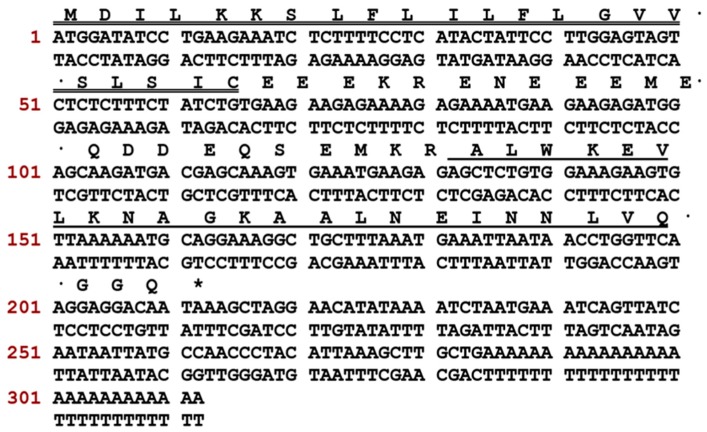
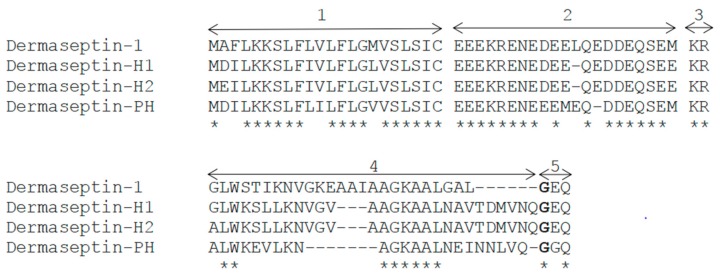
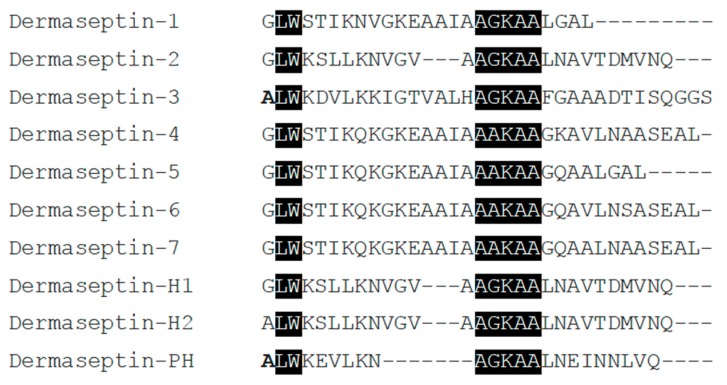
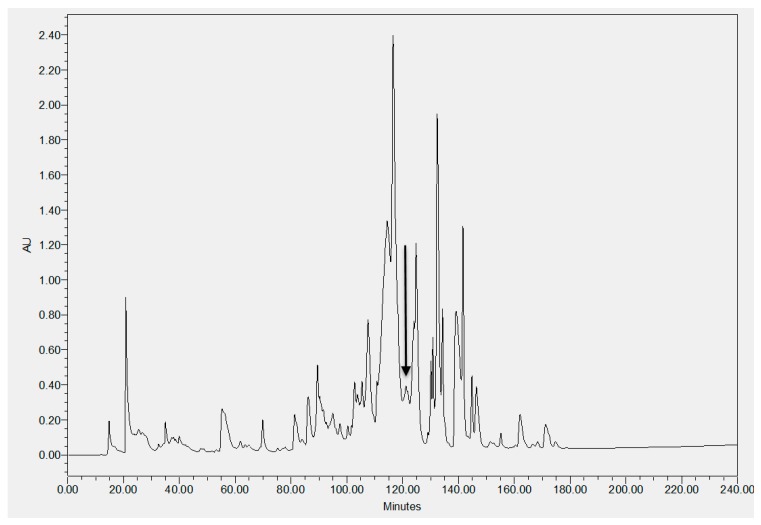
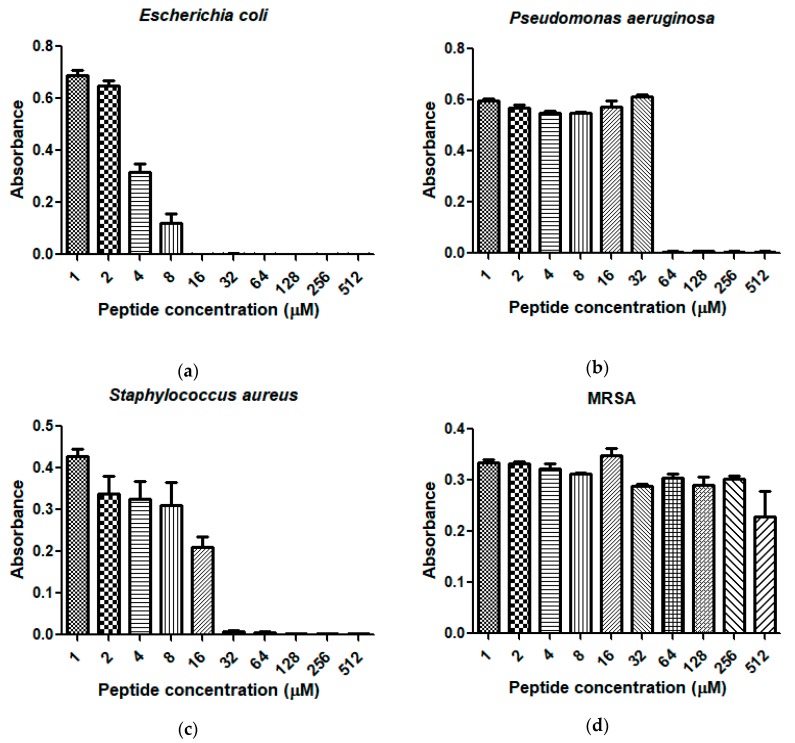
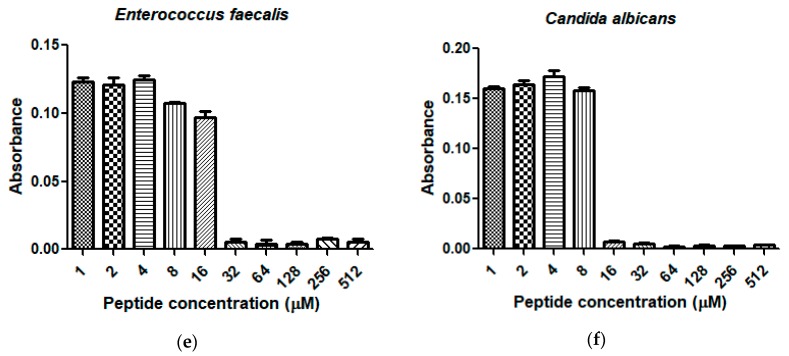
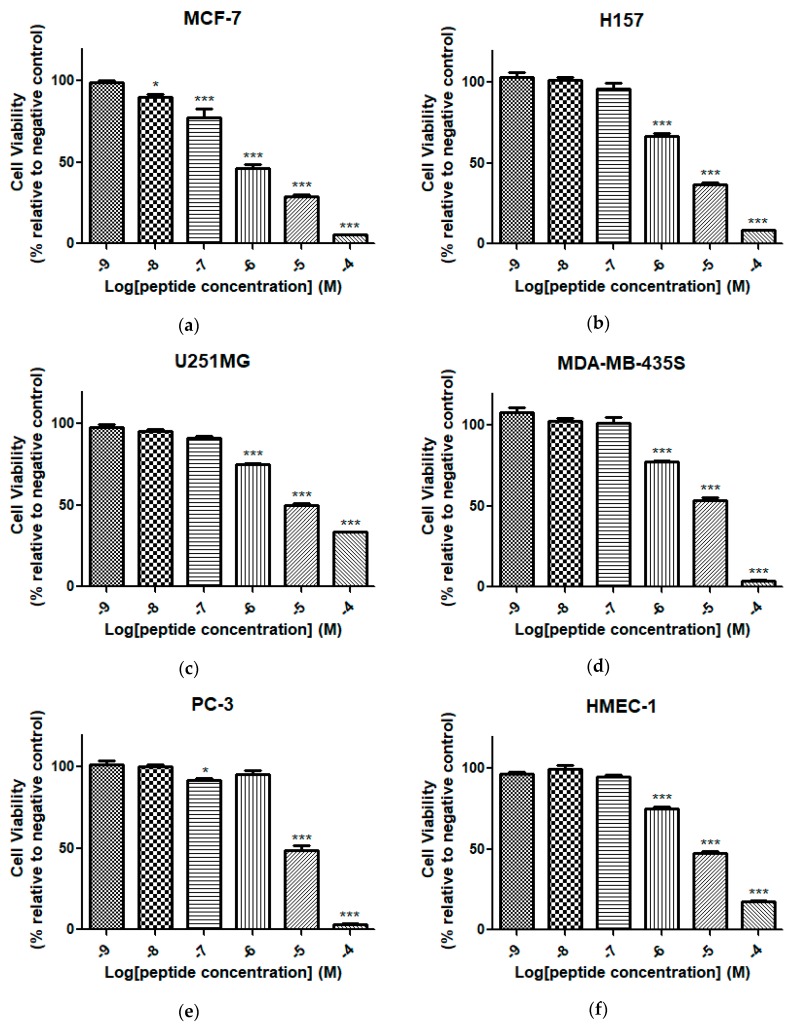
The dermaseptin peptides, mainly derived from the skin secretions of Hylidae frogs, belong to a superfamily of antimicrobial peptides and exhibit diverse antimicrobial and anticancer activities with low cytotoxicity. Here, we reported a novel dermaseptin peptide, from the South American orange-legged leaf frogs, Pithecopus (Phyllomedusa) hypochondrialis, processing the shortest peptide length, namely Dermaseptin-PH. The complementary DNA (cDNA) encoding biosynthetic precursor of Dermaseptin-PH was initially identified by the rapid amplification of cDNA ends PCR (RACE-PCR) technique from the skin secretion. The predicted primary structure was confirmed by a combination of reverse-phase high performance liquid chromatography (RP-HPLC) and MS/MS fragmentation from the skin secretion. Chemically-synthetic Dermaseptin-PH was investigated using a range of bioactivity assessment assays to evaluate the biological activities and cytotoxicity of Dermaseptin-PH. Dermaseptin-PH inhibited the growth of Gram-negative bacteria, Gram-positive bacteria, and pathogenic yeast Candidaalbicans. In addition, Dermaseptin-PH showed a broad-spectrum of anticancer activities against several cancer cell lines including MCF-7, H157, U251MG, MDA-MB-435S, and PC-3. The potent antimicrobial and anticancer activities of Dermaseptin-PH make it a promising candidate in the discovery of new drugs for clinical applications, and the relatively short sequence of Dermaseptin-PH can provide new insight for the research and structural modification of new peptide drugs.
Keywords: amphibian skin secretion; anticancer; antimicrobial; dermaseptin; molecular cloning.
Conflict of interest statement
The authors declare no conflict of interest.
Figures

References
-
- Da Cunha N.B., Cobacho N.B., Viana J.F., Lima L.A., Sampaio K.B., Dohms S.S., Ferreira A.C., de la Fuente-Nunez C., Costa F.F., Franco O.L., et al. The next generation of antimicrobial peptides (AMPs) as molecular therapeutic tools for the treatment of diseases with social and economic impacts. Drug Discov. Today. 2017;22:234–248. doi: 10.1016/j.drudis.2016.10.017. - DOI - PMC - PubMed
MeSH terms
Substances
LinkOut - more resources
Full Text Sources
Other Literature Sources
Molecular Biology Databases
Miscellaneous
