A minimally sufficient model for rib proximal-distal patterning based on genetic analysis and agent-based simulations
- PMID: 29068314
- PMCID: PMC5693115
- DOI: 10.7554/eLife.29144
A minimally sufficient model for rib proximal-distal patterning based on genetic analysis and agent-based simulations
Abstract
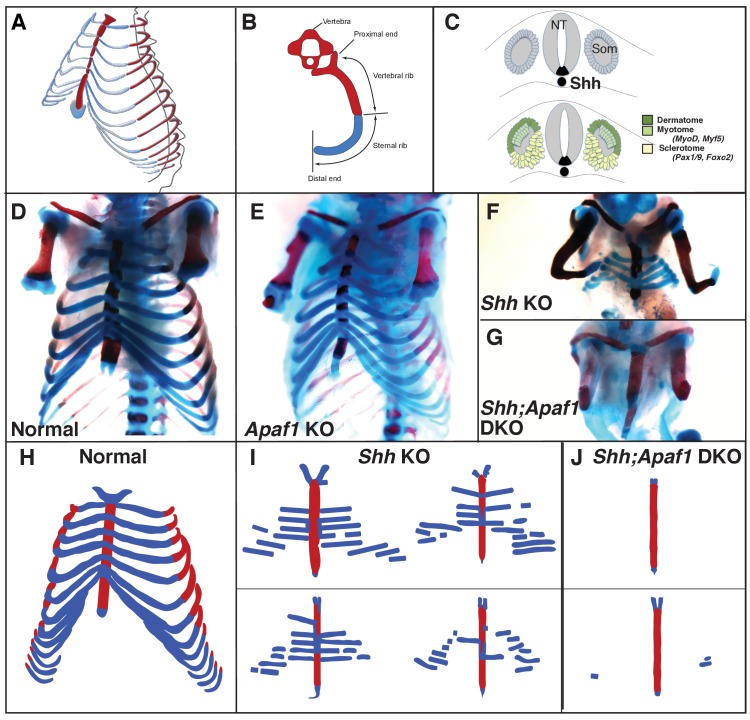
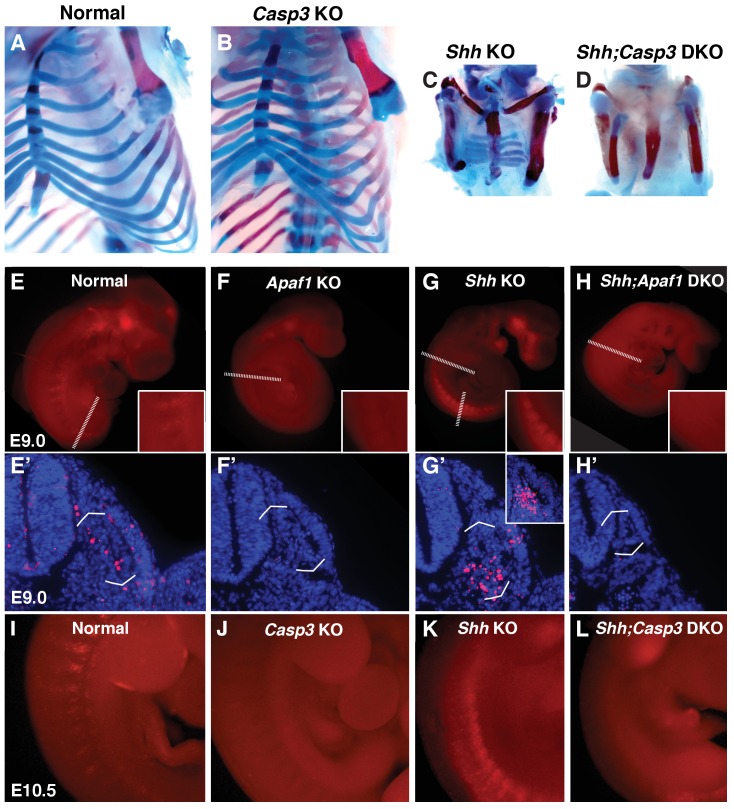
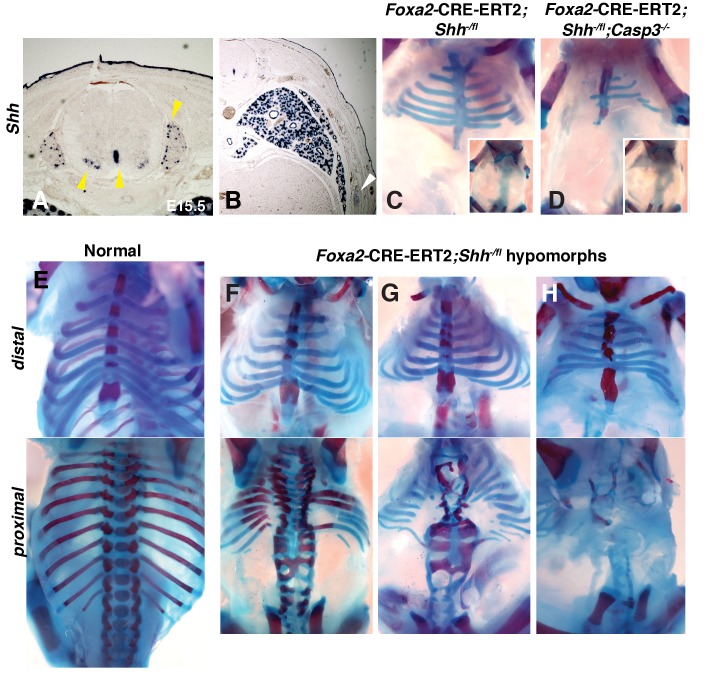
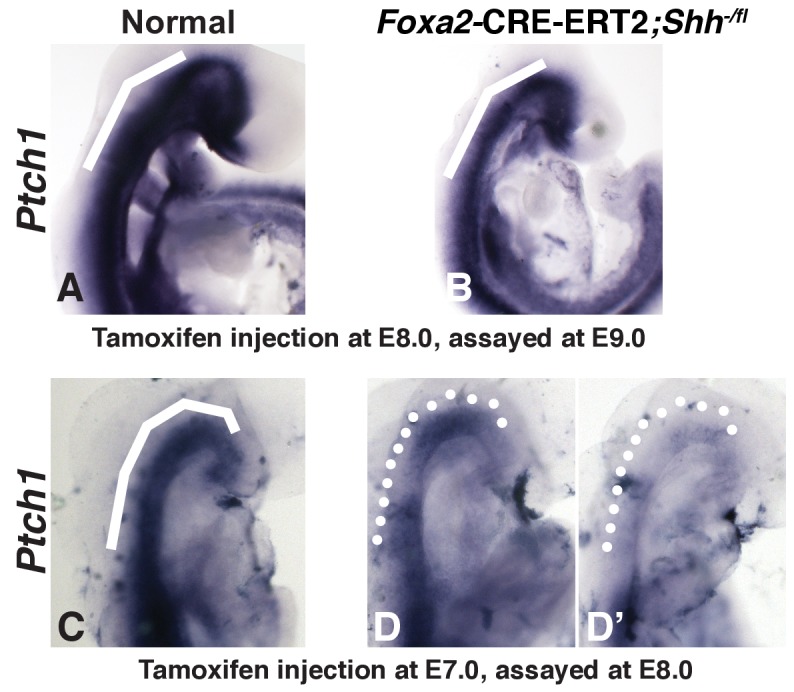
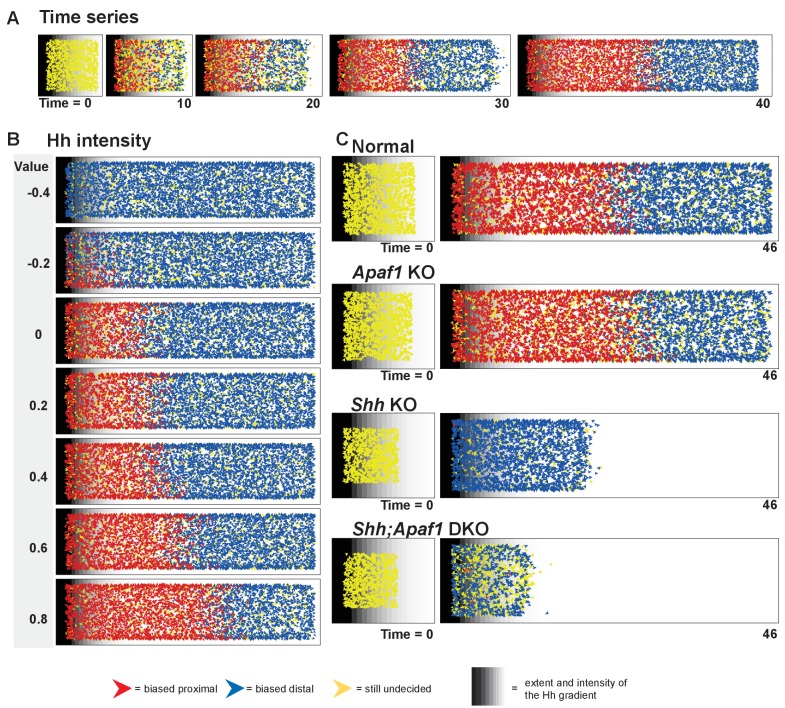
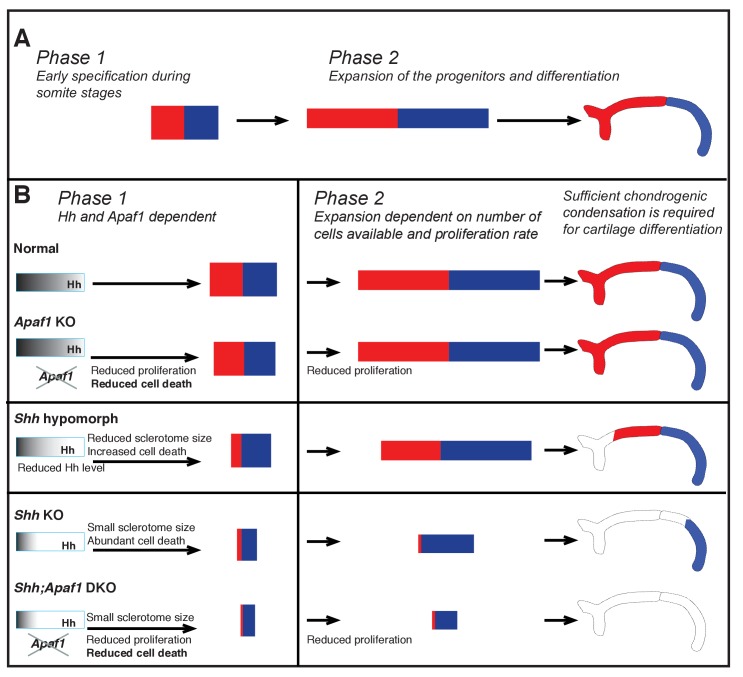
For decades, the mechanism of skeletal patterning along a proximal-distal axis has been an area of intense inquiry. Here, we examine the development of the ribs, simple structures that in most terrestrial vertebrates consist of two skeletal elements-a proximal bone and a distal cartilage portion. While the ribs have been shown to arise from the somites, little is known about how the two segments are specified. During our examination of genetically modified mice, we discovered a series of progressively worsening phenotypes that could not be easily explained. Here, we combine genetic analysis of rib development with agent-based simulations to conclude that proximal-distal patterning and outgrowth could occur based on simple rules. In our model, specification occurs during somite stages due to varying Hedgehog protein levels, while later expansion refines the pattern. This framework is broadly applicable for understanding the mechanisms of skeletal patterning along a proximal-distal axis.
Keywords: Hedgehog; developmental biology; mouse; programmed cell death; rib development; skeletal patterning; stem cells.
Conflict of interest statement
No competing interests declared.
Figures
References
-
- Akiyama H, Chaboissier MC, Martin JF, Schedl A, de Crombrugghe B. The transcription factor Sox9 has essential roles in successive steps of the chondrocyte differentiation pathway and is required for expression of Sox5 and Sox6. Genes & Development. 2002;16:2813–2828. doi: 10.1101/gad.1017802. - DOI - PMC - PubMed
Publication types
MeSH terms
Substances
Grants and funding
LinkOut - more resources
Full Text Sources
Other Literature Sources
Molecular Biology Databases