


Excess iron: considerations related to development and early growth
- PMID: 29070548
- PMCID: PMC5701720
- DOI: 10.3945/ajcn.117.155879
Excess iron: considerations related to development and early growth
Abstract
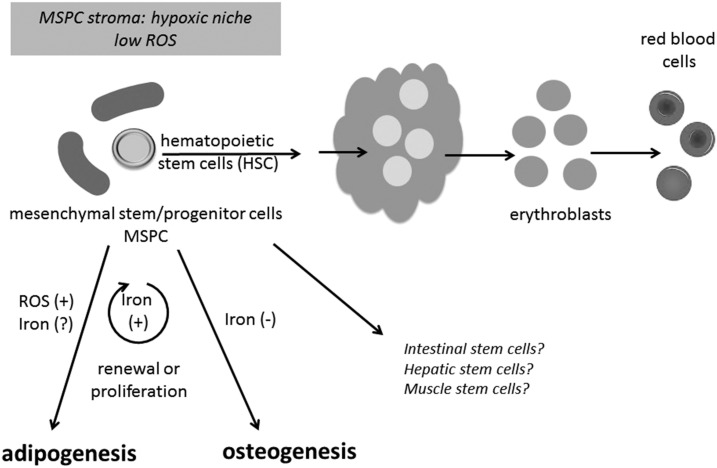
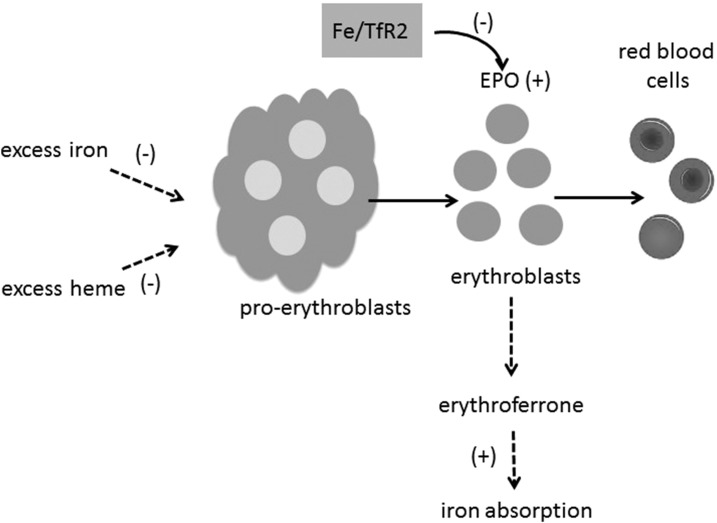
What effects might arise from early life exposures to high iron? This review considers the specific effects of high iron on the brain, stem cells, and the process of erythropoiesis and identifies gaps in our knowledge of what molecular damage may be incurred by oxidative stress that is imparted by high iron status in early life. Specific areas to enhance research on this topic include the following: longitudinal behavioral studies of children to test associations between iron exposures and mood, emotion, cognition, and memory; animal studies to determine epigenetic changes that reprogram brain development and metabolic changes in early life that could be followed through the life course; and the establishment of human epigenetic markers of iron exposures and oxidative stress that could be monitored for early origins of adult chronic diseases. In addition, efforts to understand how iron exposure influences stem cell biology could be enhanced by establishing platforms to collect biological specimens, including umbilical cord blood and amniotic fluid, to be made available to the research community. At the molecular level, there is a need to better understand stress erythropoiesis and changes in iron metabolism during pregnancy and development, especially with respect to regulatory control under high iron conditions that might promote ineffective erythropoiesis and iron-loading anemia. These investigations should focus not only on factors such as hepcidin and erythroferrone but should also include newly identified interactions between transferrin receptor-2 and the erythropoietin receptor. Finally, despite our understanding that several key micronutrients (e.g., vitamin A, copper, manganese, and zinc) support iron's function in erythropoiesis, how these nutrients interact remains, to our knowledge, unknown. It is necessary to consider many factors when formulating recommendations on iron supplementation.
Keywords: brain; early growth; erythropoiesis; excess iron; iron metabolism; iron toxicity; pregnancy; stem cells.
© 2017 American Society for Nutrition.
Figures

References
-
- Silva B, Faustino P. An overview of molecular basis of iron metabolism regulation and the associated pathologies. Biochim Biophys Acta 2015;1852:1347–59. - PubMed
-
- Siddique A, Kowdley KV. Review article: the iron overload syndromes. Aliment Pharmacol Ther 2012;35:876–93. - PubMed
-
- Rombout-Sestrienkova E, van Kraaij MG, Koek GH. How we manage patients with hereditary haemochromatosis. Br J Haematol 2016;175:759–70. - PubMed
Publication types
MeSH terms
Substances
LinkOut - more resources
Full Text Sources
Other Literature Sources
Medical
