


Cell adhesion molecule-1 shedding induces apoptosis of renal epithelial cells and exacerbates human nephropathies
- PMID: 29070574
- PMCID: PMC6048447
- DOI: 10.1152/ajprenal.00385.2017
Cell adhesion molecule-1 shedding induces apoptosis of renal epithelial cells and exacerbates human nephropathies
Abstract
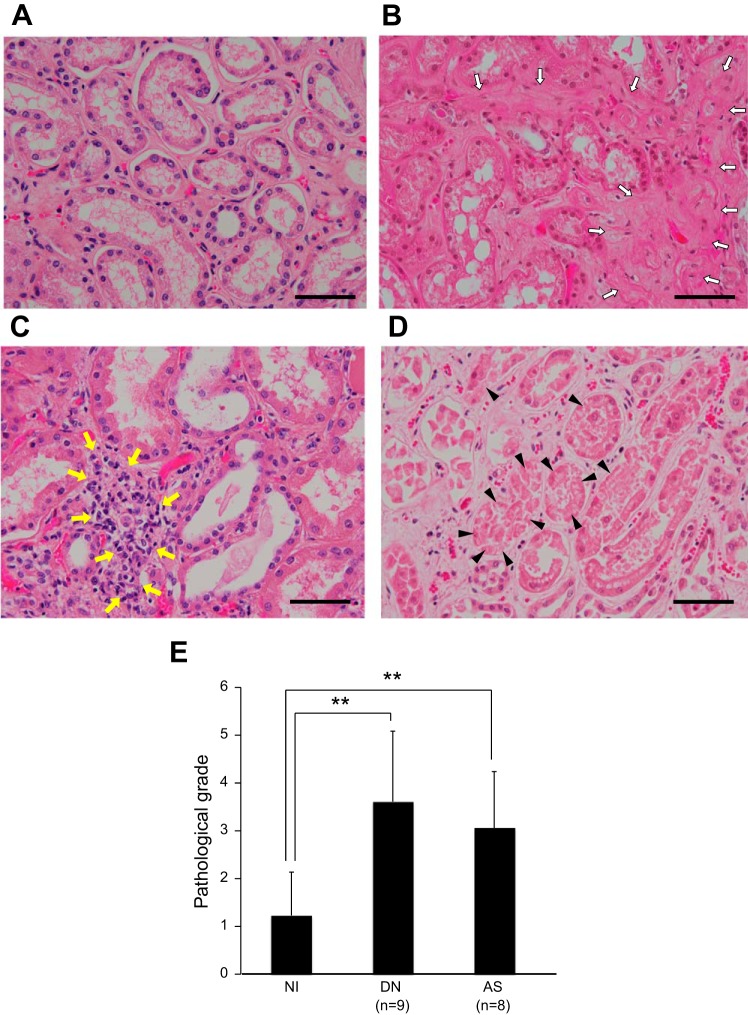
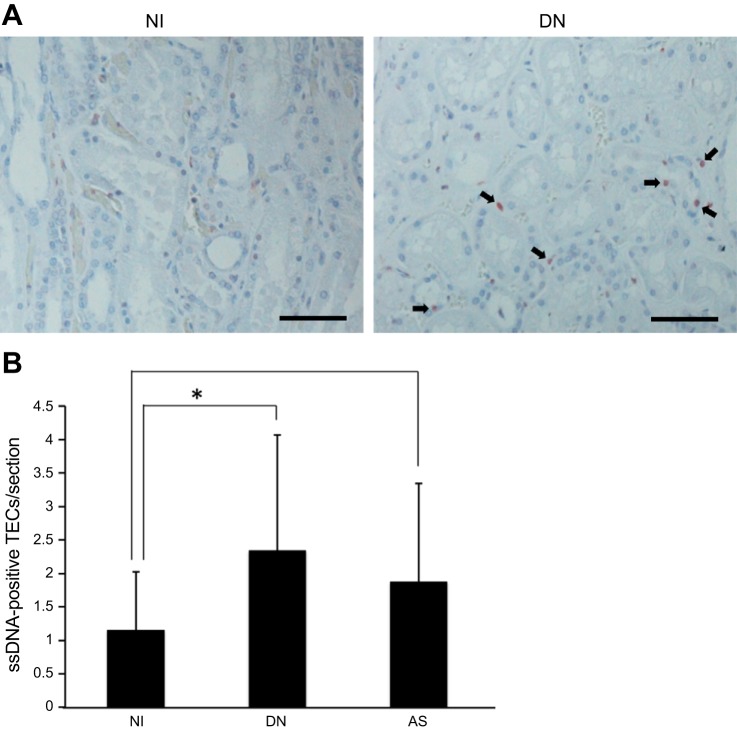
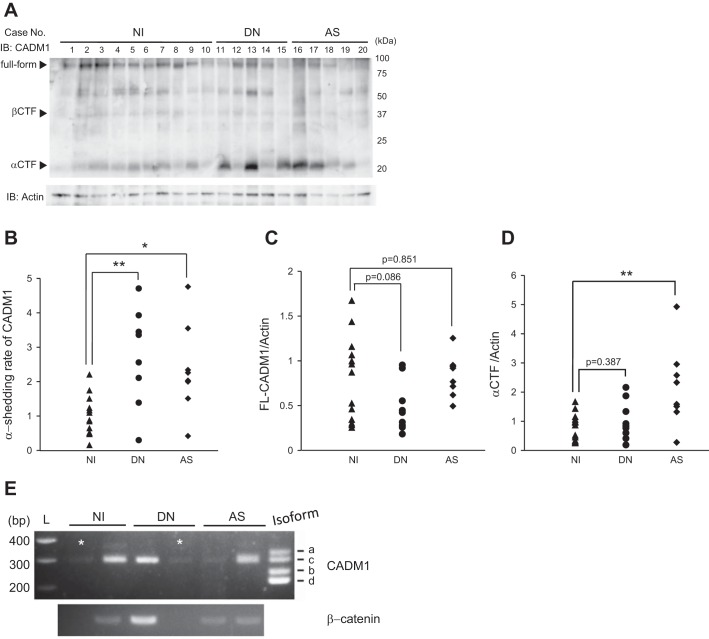
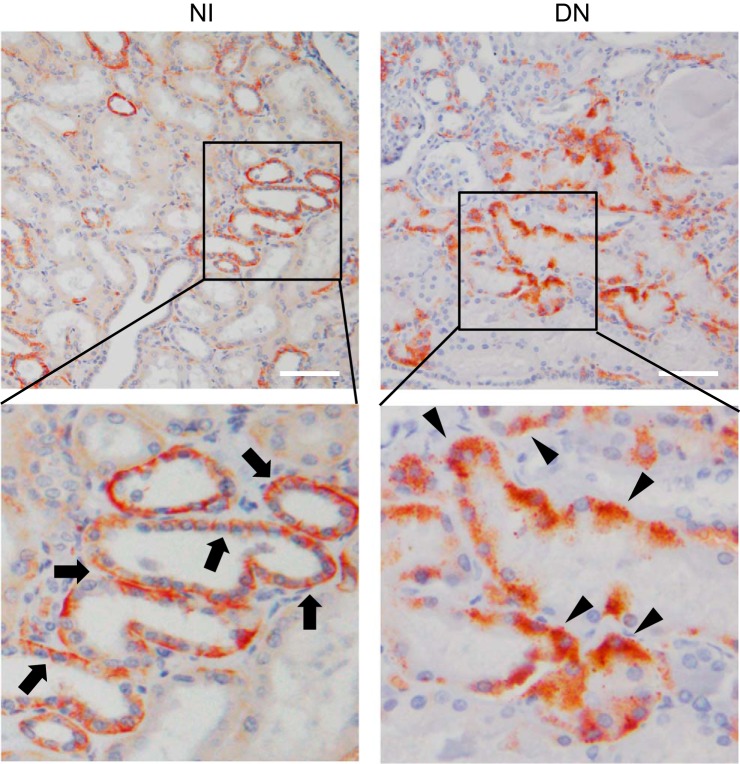
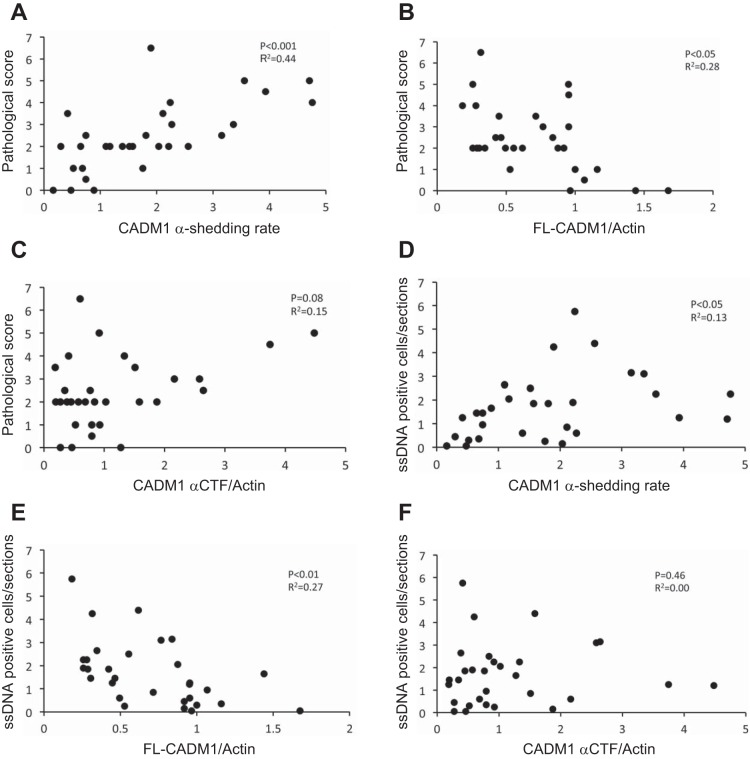
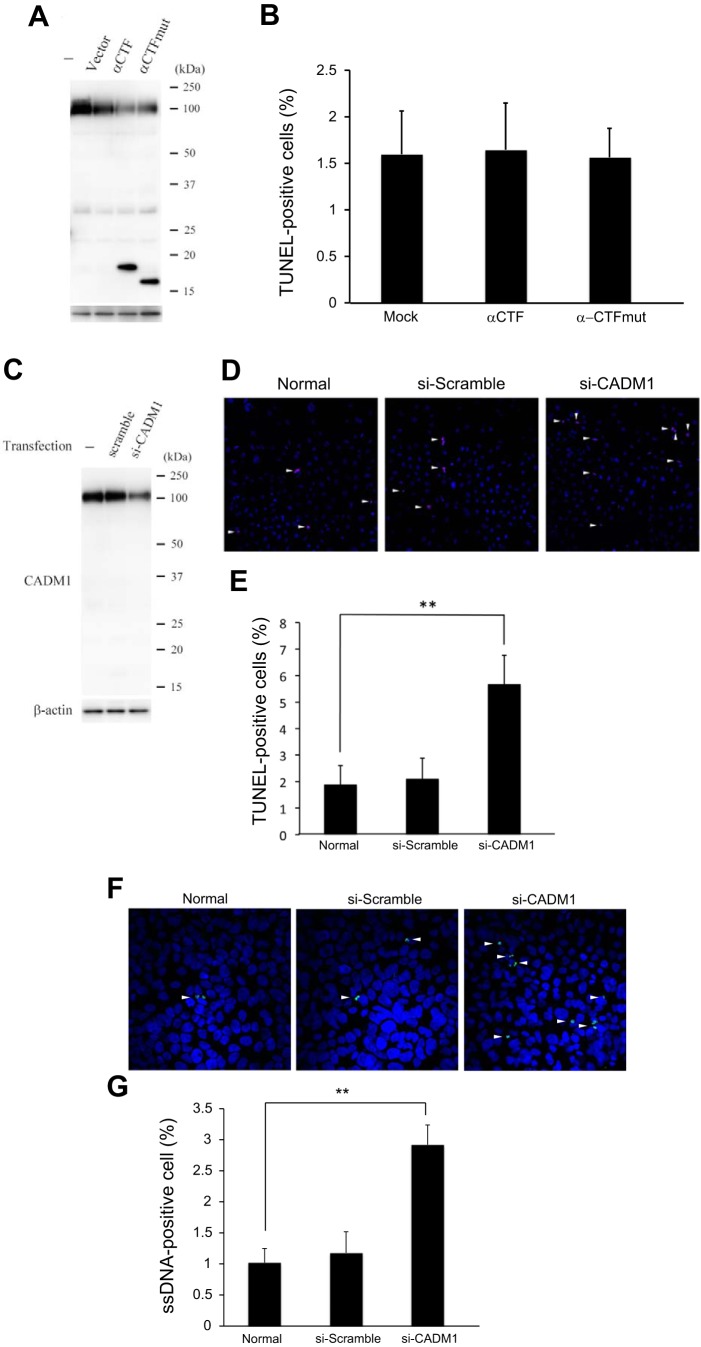
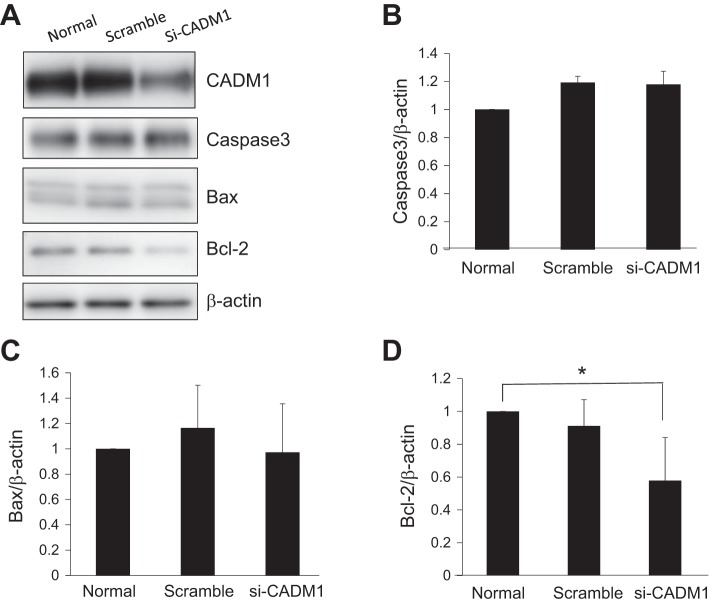
Chronic kidney disease (CKD) is an important problem throughout the world, associated with the increase of blood urea nitrogen (BUN) and serum creatinine (sCre) and with renal tubular injuries. It is crucial to elucidate the molecular mechanisms of renal injuries to identify the new therapeutics and early diagnostic methods. We focused on cell adhesion molecule-1 (CADM1) protein. CADM1, its isoform SP4, is expressed in the epithelial cells of various tissues, including renal distal tubules, localized on the lateral cell membrane, mediates cell-cell adhesion via trans-homophilic binding, and interacts with various proteins. We previously reported that its expression was downregulated by post-proteolytic cleavage (α- and β-shedding) in pulmonary diseases. To investigate whether CADM1 α-shedding occurs in human nephropathies, we performed Western blotting and immunohistochemical analysis of specimens with arterionephrosclerosis (AS) and diabetic nephropathy (DN) from autopsied kidneys. CADM1 α-shedding was induced in AS and DN kidneys and derived from the decrease in full-length CADM1 (FL-CADM1) and increase of the COOH-terminal fragment (α-CTF). In particular, the reduced FL-CADM1 level was correlated with tubular and tubulointerstitial injuries and the increases in BUN and sCre levels. Apoptosis of renal tubular epithelial cells (TECs) was promoted in both nephropathies, and it was significantly correlated with the decrease in the FL-CADM1. Furthermore, FL-CADM1 knockdown by small interfering RNA downregulated anti-apoptotic Bcl-2 protein and promoted apoptosis of cultured renal TECs. The present study suggests that the reduction of FL-CADM1 leads to renal TEC apoptosis and could exacerbate renal tubular and tubulointerstitial injuries, which contribute to the development of CKD.
Keywords: CADM1; DM nephropathy; apoptosis; arterionephrosclerotic nephropathy; shedding.
Figures
References
-
- Atapattu L, Saha N, Chheang C, Eissman MF, Xu K, Vail ME, Hii L, Llerena C, Liu Z, Horvay K, Abud HE, Kusebauch U, Moritz RL, Ding BS, Cao Z, Rafii S, Ernst M, Scott AM, Nikolov DB, Lackmann M, Janes PW. An activated form of ADAM10 is tumor selective and regulates cancer stem-like cells and tumor growth. J Exp Med 213: 1741–1757, 2016. doi: 10.1084/jem.20151095. - DOI - PMC - PubMed
-
- Athyros VG, Tziomalos K, Katsiki N, Doumas M, Karagiannis A, Mikhailidis DP. Cardiovascular risk across the histological spectrum and the clinical manifestations of non-alcoholic fatty liver disease: An update. World J Gastroenterol 21: 6820–6834, 2015. doi: 10.3748/wjg.v21.i22.6820. - DOI - PMC - PubMed
-
- Colombini M. Pore size and properties of channels from mitochondria isolated from Neurospora crass. J Membr Biol 53: 79–84, 1980. doi: 10.1007/BF01870576. - DOI
Publication types
MeSH terms
Substances
LinkOut - more resources
Full Text Sources
Other Literature Sources
Medical
Research Materials
Miscellaneous
