


Outcomes of C1-2 joint injections
- PMID: 29075136
- PMCID: PMC5609790
- DOI: 10.2147/JPR.S144255
Outcomes of C1-2 joint injections
Abstract
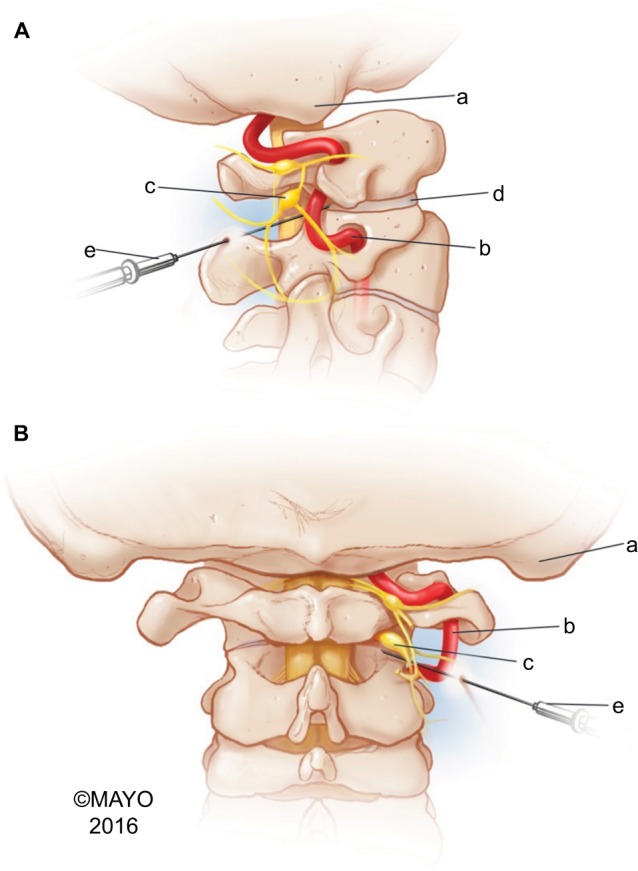
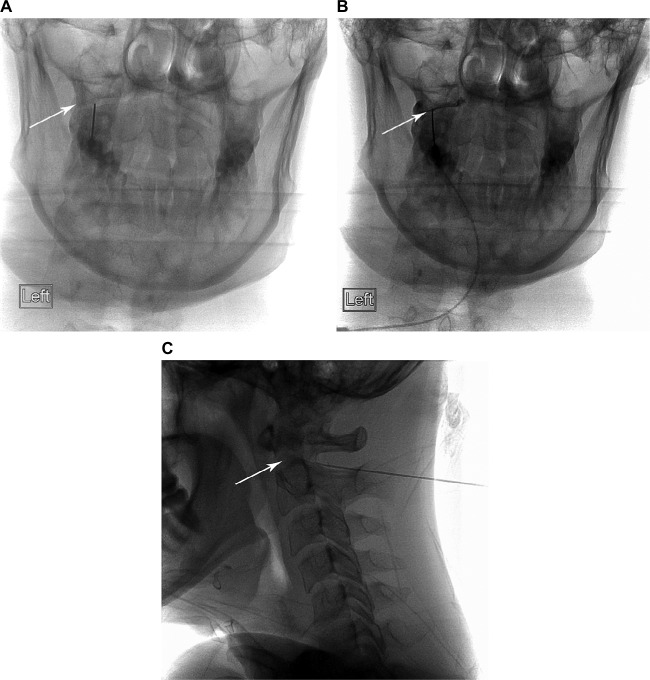
Objective: Intra-articular injections of the C1-2 joint are an effective therapeutic option for pain generated from degenerative and inflammatory conditions affecting the joint. Limited information exists about the adverse events (AEs) associated with these injections. The primary aim of this study is to describe the frequency and type of AEs associated with C1-2 joint injections. The secondary aim is to identify clinical factors associated with the occurrence of AEs of C1-2 joint injections.
Design/methods: A retrospective chart review was conducted on all C1-2 joint injections performed at the Mayo Pain Medicine Clinic in Rochester, MN, from January 1, 2005 through July 31, 2015. AE data were extracted from procedural and post-procedural clinical notes. Analysis was conducted to determine correlations between any AE and demographic and clinical characteristics. Using univariate and multivariate logistic regression analyses, associations were determined.
Results: From January 1, 2005 to July 31, 2015, 135 C1-2 injections were performed on 72 patients. Overall, at least 1 AE was reported in 18.5% of the injections. The most common AEs were post-procedural increase in pain and procedural vascular contrast uptake. There was a significant association between AE occurrence and greater pre-procedural maximum pain score.
Conclusions: AEs from C1-2 joint injections occurred commonly, but there were no persistent or serious AEs associated with these injections. The data also demonstrate that patients with higher pre-procedural maximum pain scores are more likely to experience an AE.
Keywords: C1–2 joint; adverse event; facet; injection.
Conflict of interest statement
Disclosure The authors report no conflicts of interest in this work.
Figures
References
-
- Bogduk N, Mercer S. Biomechanics of the cervical spine. I: normal kinematics. Clin Biomech (Bristol Avon) 2000;15(9):633–648. - PubMed
-
- Bogduk N, Govind J. Cerivcogenic headache: as assessment of the evidence on clinical diagnosis, invasive tests, and treatment. Lancet Neurol. 2009;8(10):959–968. - PubMed
-
- Haldeman S, Dagenais S. Cervicogenic headache: a critical review. Spine J. 2001;1(1):31–46. - PubMed
-
- Aprill C, Axinn M, Bogduk N. Occipital headaches stemming from the lateral atlanto-axial (C1–2) joint. Cephalalgia. 2002;22(1):15–22. - PubMed
-
- Busch E, Wilson P. Atlanto-occipital and atlanto-axial injections in the treatment of headache and neck pain. Reg Anesth. 1989;14:45.
LinkOut - more resources
Full Text Sources
Other Literature Sources
