


Prevalence and associated determinants of malaria parasites among Kenyan children
- PMID: 29085254
- PMCID: PMC5651573
- DOI: 10.1186/s41182-017-0066-5
Prevalence and associated determinants of malaria parasites among Kenyan children
Abstract
Background: Approximately 80% of deaths attributed to malaria worldwide occurred mainly in Africa in 2015. Kenya is one of the major malaria endemic countries, making malaria the leading public health concern in this country. This study intended to document the prevalence of malaria and determine associated factors including socioeconomic status among children aged 6 months to 14 years in Kenya.
Methods: This study analyzed the secondary data extracted from the 2015 Kenya Malaria Indicator Survey (KMIS), a cross-sectional country representative survey. Associations of demographic, socioeconomic, community-based, and behavioral factors with the prevalence of malaria in children were analyzed using multivariable logistic regression analysis.
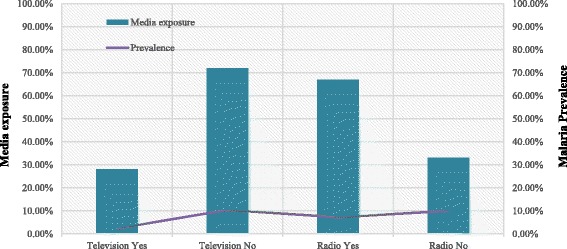
Results: Data from 7040 children aged 6 months to 14 years were analyzed. The prevalence of malaria showed an upward trend in terms of age, with the highest prevalence among children aged 11-14 years. Prevalence was also higher among rural children (10.16%) compared to urban children (2.93%), as well as poor children (11.05%) compared to rich children (3.23%). The likelihood of having malaria was higher among children aged 10-14 years (AOR = 4.47, 95% CI = 3.33, 6.02; P < 0.001) compared with children aged under 5 years. The presence of anemia (AOR = 3.52, 95% CI = 2.78, 4.45; P < 0.001), rural residence (AOR = 1.71, 95% CI = 1.31, 2.22; P < 0.001), lack of a hanging mosquito net (AOR = 2.38, 95% CI = 1.78, 3.19; P < 0.001), primary education level of the household head (AOR = 1.15, 95% CI = 1.08, 2.25; P < 0.05), and other factors, such as the household having electricity and access to media such as television or radio, were also associated with the likelihood of infection.
Conclusion: This study demonstrated the need to focus on awareness programs to prevent malaria and to use existing knowledge in practice to control the malaria burden in Kenya. Furthermore, this study suggests that improving the information available through the mass media and introducing behavior change communication and intervention program specifically for those of poor socioeconomic status will help to reduce malaria cases.
Keywords: Children; Kenya; Malaria; Odds ratio; Prevalence.
Conflict of interest statement
Ethics approval and consent to participate
Data generated by DHS are publicly available. For this study, data were made available to us upon request to Measure DHS. Ethical clearance for conducting the DHS was obtained from the Measure DHS and the Ethics Committee of ICF Macro (Calverton, MD, USA).
Consent for publication
Not applicable.
Competing interests
The authors declare that they have no competing interests.
Publisher’s Note
Springer Nature remains neutral with regard to jurisdictional claims in published maps and institutional affiliations.
Figures
References
-
- World Health Organization (WHO). World Malaria Report 2015. 20 Avenue Appia, 1211 Geneva 27, Switzerland: 2015.
-
- World Health Organization (WHO). The Africa Malaria Report. 20 Avenue Appia, 1211 Geneva 27, Switzerland: 2003.
LinkOut - more resources
Full Text Sources
Other Literature Sources