Cabozantinib-induced osteoblast secretome promotes survival and migration of metastatic prostate cancer cells in bone
- PMID: 29088840
- PMCID: PMC5650395
- DOI: 10.18632/oncotarget.20489
Cabozantinib-induced osteoblast secretome promotes survival and migration of metastatic prostate cancer cells in bone
Abstract
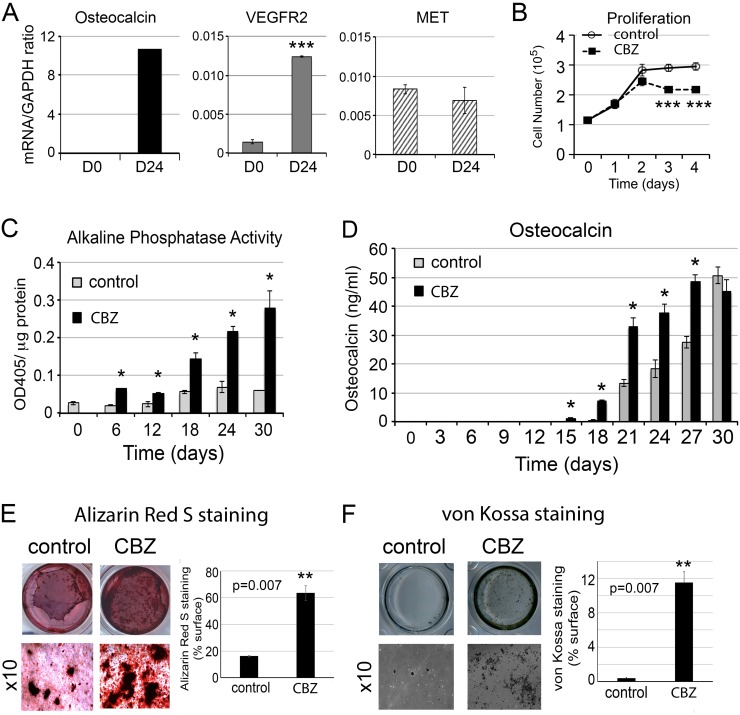
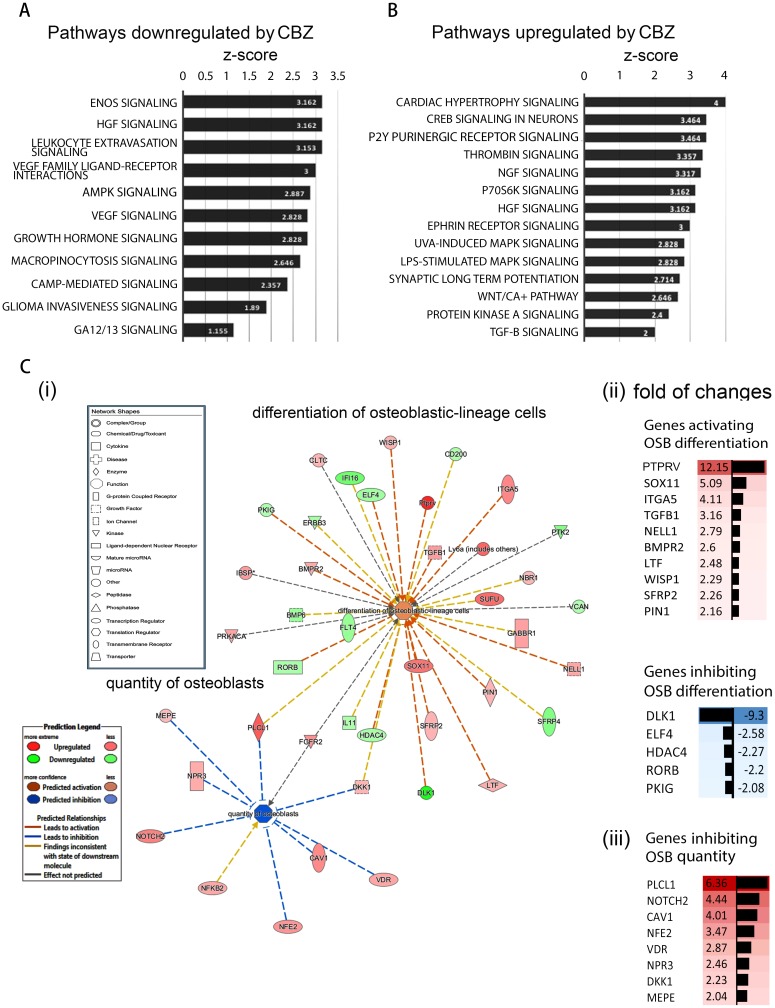
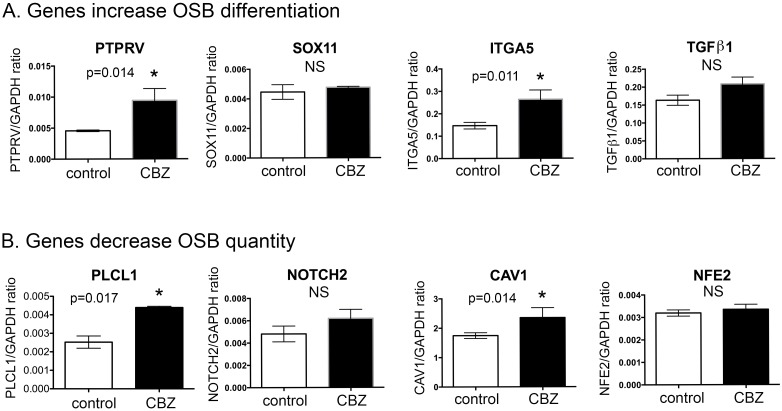
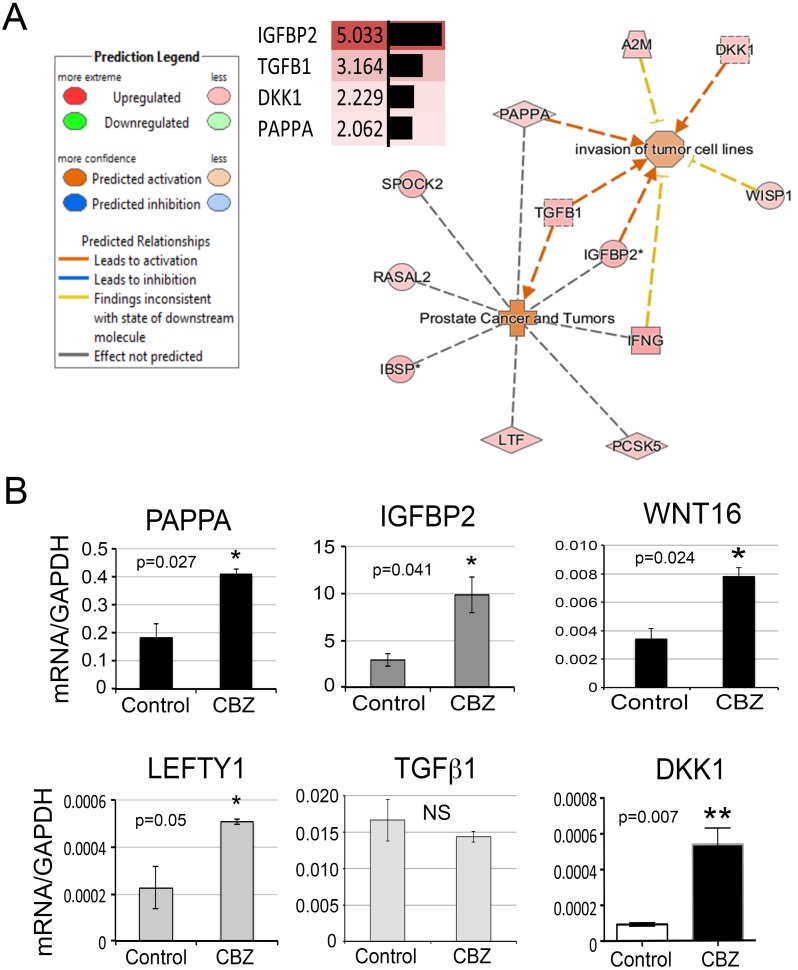
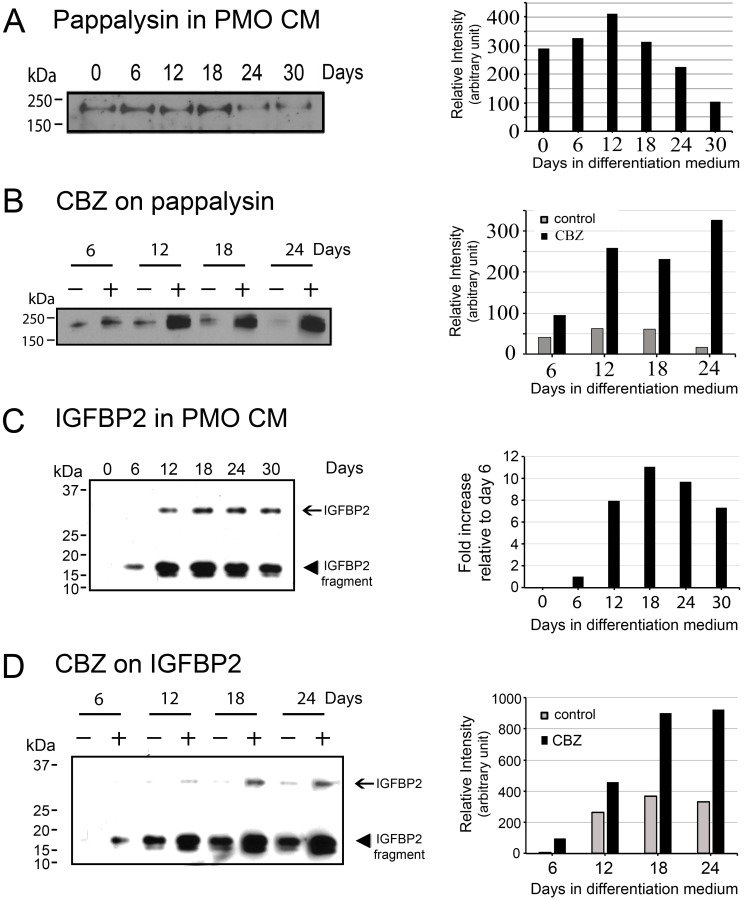
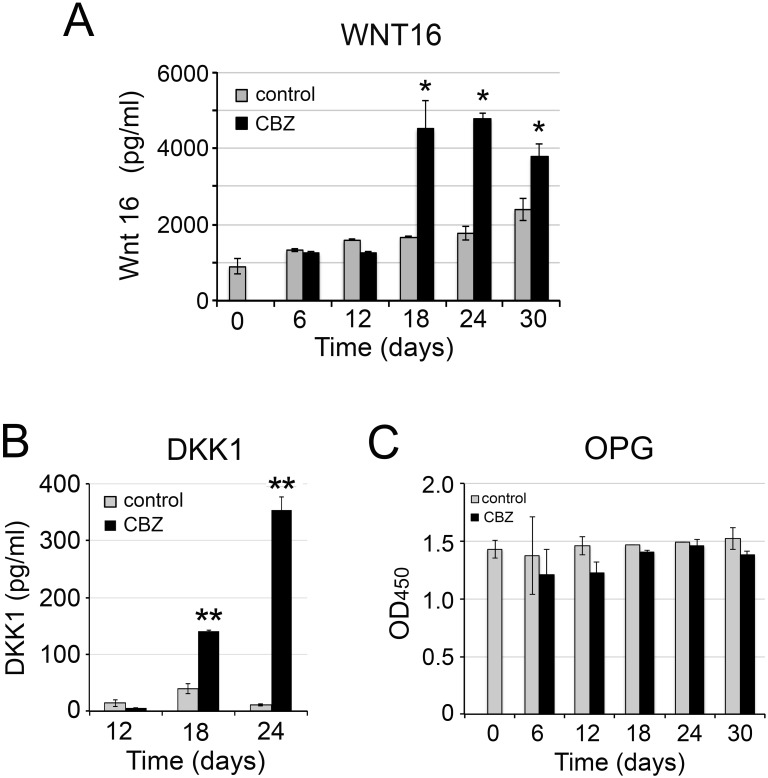
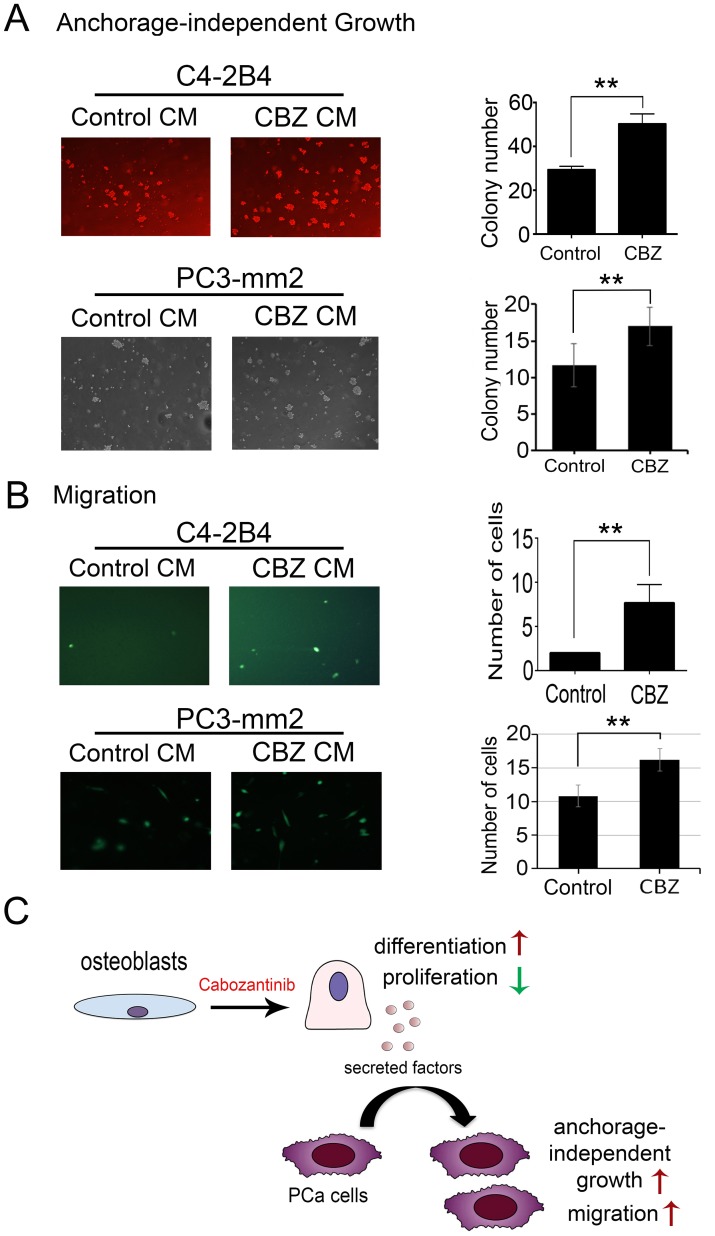
Therapies that target cancer cells may have unexpected effects on the tumor microenvironment that affects therapy outcomes or render therapy resistance. Prostate cancer (PCa) bone metastasis is uniquely associated with osteoblastic bone lesions and treatment with cabozantinib, a VEGFR-2 and MET inhibitor, leads to a reduction in number and/or intensity of lesions on bone scans. However, resistance to cabozantinib therapy inevitably occurs. We examined the effect of cabozantinib on osteoblast differentiation and secretion in the context of therapy resistance. We showed that primary mouse osteoblasts express VEGFR2 and MET and cabozantinib treatment decreased osteoblast proliferation but enhanced their differentiation. A genome-wide analysis of transcriptional responses of osteoblasts to cabozantinib identified a set of genes accounting for inhibition of proliferation and stimulation of differentiation, and a spectrum of secreted proteins induced by cabozantinib, including pappalysin, IGFBP2, WNT 16, and DKK1. We determined that these proteins were upregulated in the conditioned medium of cabozantinib-treated osteoblasts (CBZ-CM) compared to control CM. Treatment of C4-2B4 or PC3-mm2 PCa cells with CBZ-CM increased the anchorage-independent growth and migration of these PCa cells compared to cells treated with control CM. These results suggest that the effect of cabozantinib on the tumor microenvironment may increase tumor cell survival and cause therapy resistance.
Keywords: anchorage-independent growth; cabozantinib; migration; osteoblast; secretome.
Conflict of interest statement
CONFLICTS OF INTEREST No conflicts of interest was reported by all authors in this study.
Figures
References
-
- Yakes FM, Chen J, Tan J, Yamaguchi K, Shi Y, Yu P, Qian F, Chu F, Bentzien F, Cancilla B, Orf J, You A, Laird AD, et al. Cabozantinib (XL184), a novel MET and VEGFR2 inhibitor, simultaneously suppresses metastasis, angiogenesis, and tumor growth. Mol CancerTher. 2011;10:2298–2308. - PubMed
-
- Leibowitz-Amit R, Pintilie M, Khoja L, Azad AA, Berger R, Laird AD, Aftab DT, Chi KN, Joshua AM. Changes in plasma biomarkers following treatment with cabozantinib in metastatic castration-resistant prostate cancer: a post hoc analysis of an extension cohort of a phase II trial. J Transl Med. 2016;14:12. - PMC - PubMed
-
- Smith M, De Bono J, Sternberg C, Le Moulec S, Oudard S, De Giorgi U, Krainer M, Bergman A, Hoelzer W, De Wit R, Bogemann M, Saad F, Cruciani G, et al. Phase III Study of Cabozantinib in Previously Treated Metastatic Castration-Resistant Prostate Cancer: COMET-1. J Clin Oncol. 2016;34:3005–3013. - PubMed
-
- Logothetis C, Lin SH. Osteoblasts in prostate cancer metastasis to bone. Nat Rev Cancer. 2005;5:21–28. - PubMed
-
- Singh H, Brave M, Beaver JA, Cheng J, Tang S, Zahalka E, Palmby TR, Venugopal R, Song P, Liu Q, Liu C, Yu J, Chen XH, et al. U.S. Food and Drug Administration Approval: Cabozantinib for the Treatment of Advanced Renal Cell Carcinoma. Clin Cancer Res. 2017;23:330–335. - PubMed
Grants and funding
LinkOut - more resources
Full Text Sources
Other Literature Sources
Molecular Biology Databases
Miscellaneous