


mPOS is a novel mitochondrial trigger of cell death - implications for neurodegeneration
- PMID: 29090463
- PMCID: PMC5851816
- DOI: 10.1002/1873-3468.12894
mPOS is a novel mitochondrial trigger of cell death - implications for neurodegeneration
Abstract
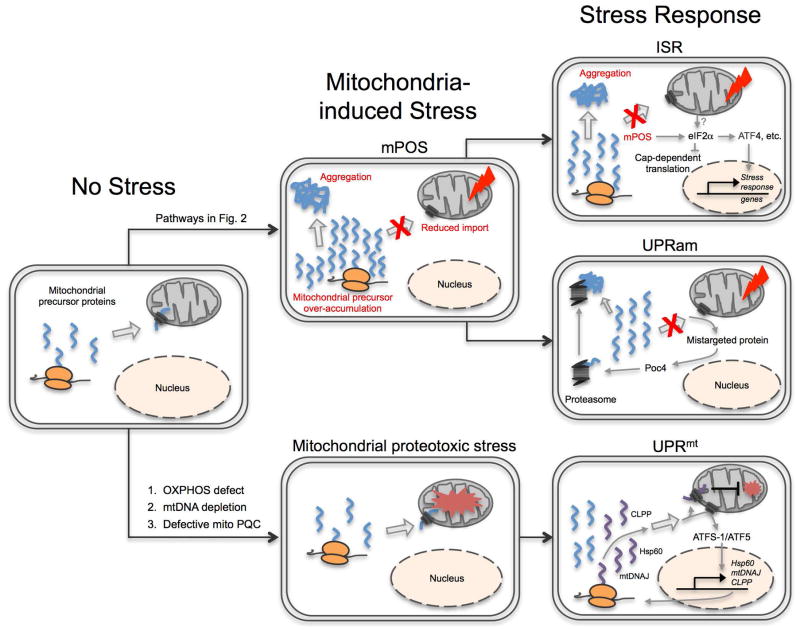
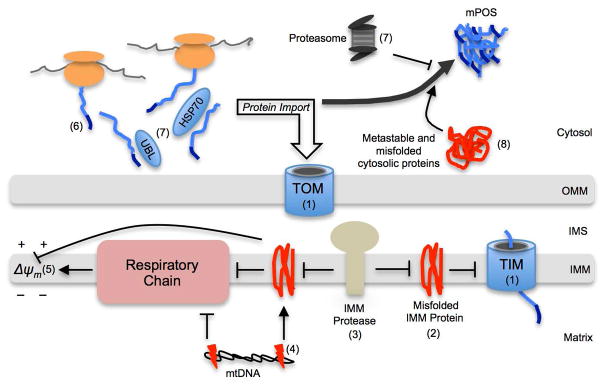
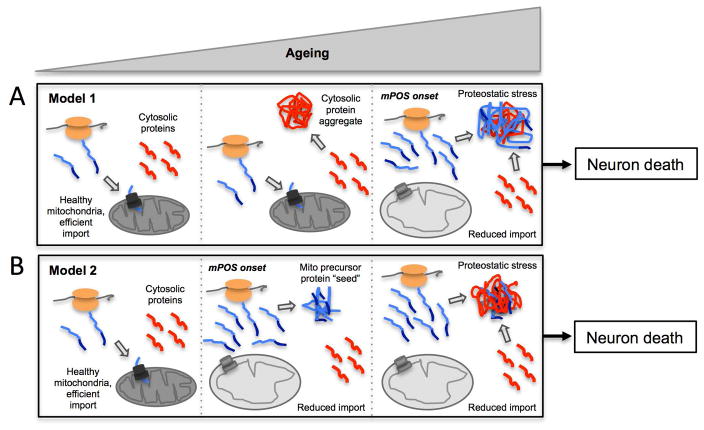
In addition to its central role in energy metabolism, the mitochondrion has many other functions essential for cell survival. When stressed, the multifunctional mitochondria are expected to engender multifaceted cell stress with complex physiological consequences. Potential extra-mitochondrial proteostatic burdens imposed by inefficient protein import have been largely overlooked. Accumulating evidence suggests that a diverse range of pathogenic mitochondrial stressors, which do not directly target the core protein import machinery, can reduce cell fitness by disrupting the proteostatic network in the cytosol. The resulting stress, named mitochondrial precursor overaccumulation stress (mPOS), is characterized by the toxic accumulation of unimported mitochondrial proteins in the cytosol. Here, we review our current understanding of how mitochondrial dysfunction can impact the cytosolic proteome and proteostatic signaling. We also discuss the intriguing possibility that the mPOS model may help untangle the cause-effect relationship between mitochondrial dysfunction and cytosolic protein aggregation, which are probably the two most prominent molecular hallmarks of neurodegenerative disease.
Keywords: mitochondria; mitochondrial precursor overaccumulation stress; neurodegeneration.
© 2017 Federation of European Biochemical Societies.
Figures
References
Publication types
MeSH terms
Substances
Grants and funding
LinkOut - more resources
Full Text Sources
Other Literature Sources
Medical
